George Andrew Reisner
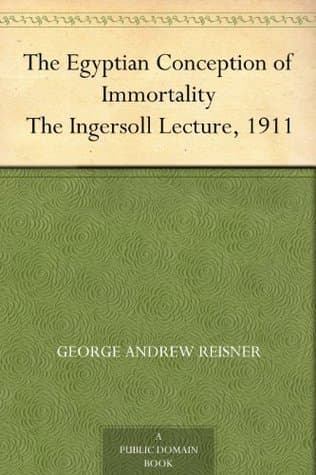
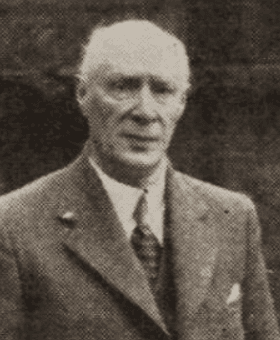
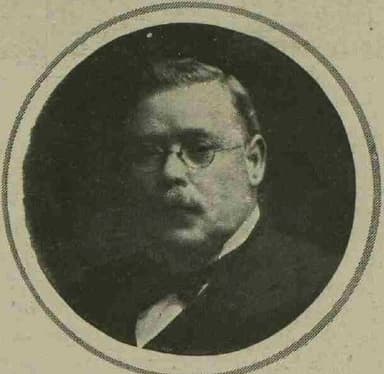
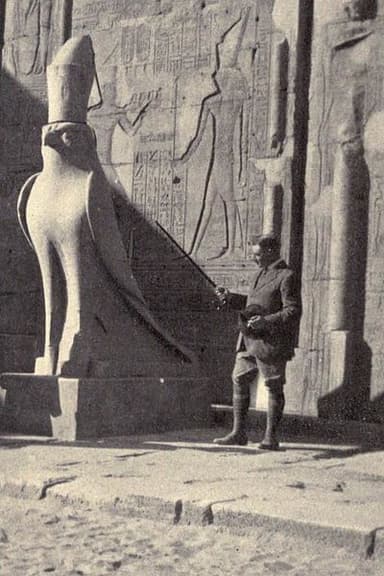
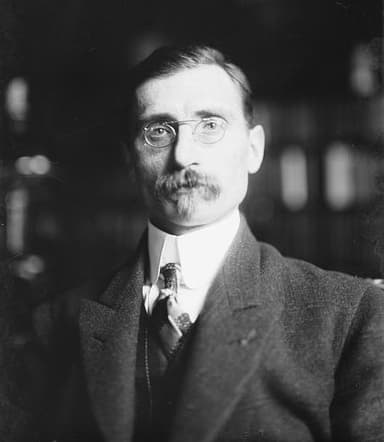
George Andrew Reisner was a prominent American archaeologist renowned for his groundbreaking work in Ancient Egypt, Nubia, and Palestine. Born in 1867, he pursued his education at Harvard University, where he developed a keen interest in archaeology that would shape his career. Reisner is best known for his excavations at the Giza Plateau, where he conducted extensive studies of the pyramids and the surrounding necropolis. His meticulous methods and innovative approaches to excavation set new standards in the field, allowing for a deeper understanding of ancient civilizations. Reisner's contributions to archaeology extended beyond his fieldwork; he published numerous influential works, including "The Archaeological Survey of Nubia" and "A History of the Giza Necropolis." His research not only unearthed significant artifacts but also provided insights into the social and cultural practices of ancient societies. Reisner's legacy is marked by his role in establishing archaeology as a scientific discipline and his influence on subsequent generations of archaeologists. His meticulous documentation and preservation efforts have ensured that his findings continue to inform our understanding of ancient history, solidifying his place as a key figure in the study of Egyptology and Near Eastern archaeology.
Books from the author