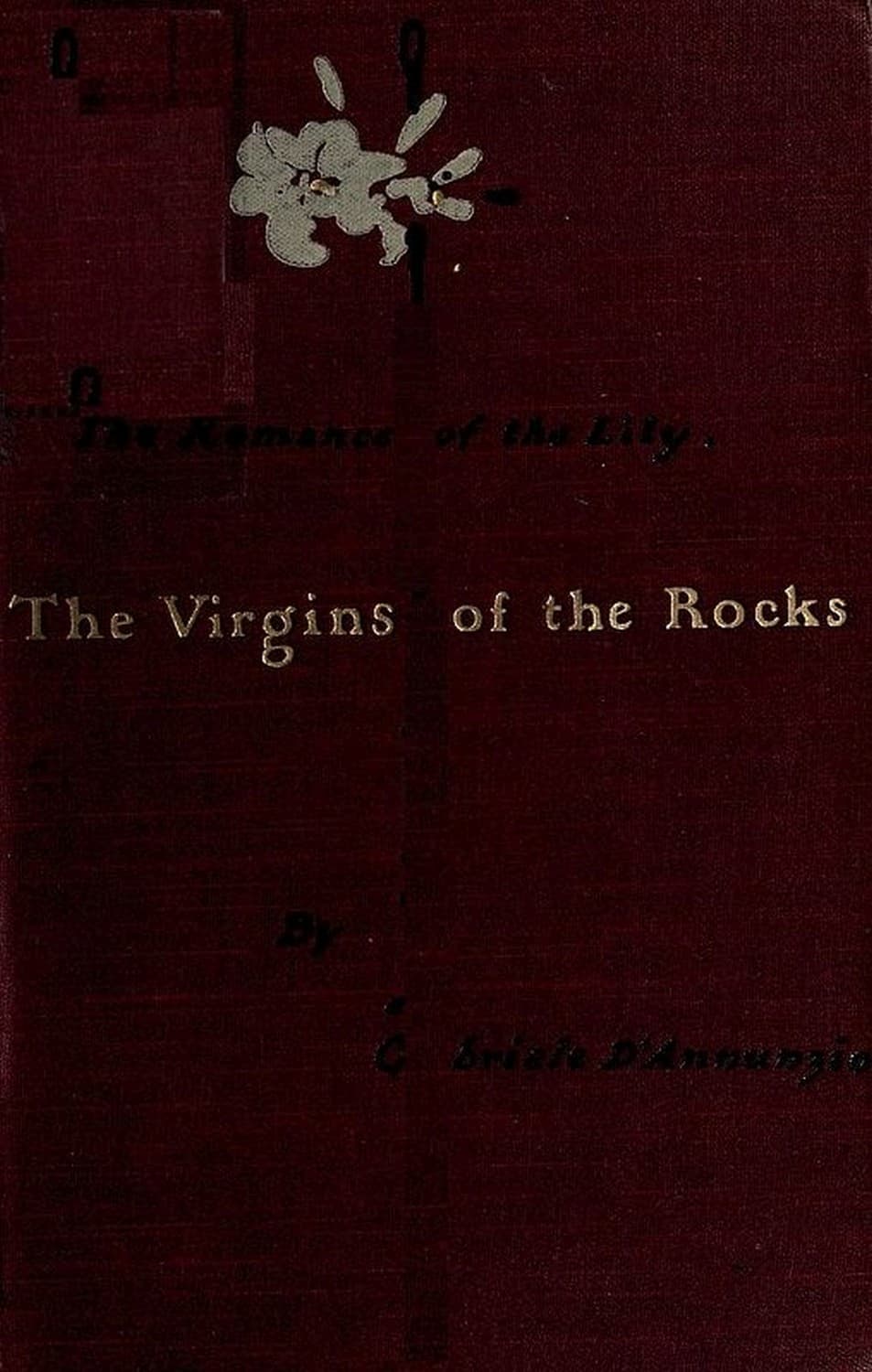
The Flame
A literary grenade disguised as a love story. D'Annunzio crafted this 1900 novel as a raw, unapologetic portrait of his torrid affair with the legendary actress Eleonora Dusa, painting their passionate entanglement with brutal honesty. The poet Stelio Effrena and the tragic actress La Foscarina battle for dominance in art and love, their intense rivalry set against the seductive backdrop of Venice. Critics savaged it as "the most swinish novel ever written," while Sarah Bernhardt returned her presentation copy unopened. Written in prose that burns with decadent intensity, The Flame captures the raw nerve of creative and erotic obsession. After a century of neglect, D'Annunzio's insight into passion's destructive power remains startlingly intact, still capable of unsettling readers with its unflinching examination of what lies beneath the masks we wear for art and each other.
Editions
X-Ray
“But the daily tasks and prayers of men, the ancient city tired from having lived too long, the ravaged marble and worn out bells, all those things oppressed by the weight of memories, all those perishable things were rendered humble in comparison with the tremendous blazing Alps that tore at the sky with their thousand unyielding spikes, a vast, solitary city that was waiting, perhaps, for a new race of Titans.””
— Gabriele D'Annunzio
“The woman bent down to pick up the fallen pomegranate from the grass. It was ripe, it had burst open in the fall, stained her white dress. The vision of the laden barge, the pale island, the flowery meadow returned to her loving spirit along with the Creator's words: 'This is my body...Take and eat...””
— Gabriele D'Annunzio
“It was like a Stygian plain, like a vision of Hades: a land of shadows, vapours and water. Everything was going misty and disappearing like spirits. The moon was enchanting and pulling at the plain just as she enchants and pulls at the sea, drinking all that vast earthly dampness from the horizon with her silent, insatiable throat.””
— Gabriele D'Annunzio
“The heat of his night time fever was being brushed away entirely by the breeze as the light mists evaporated. The same process that was happening around him, was happening within him too. He was being reborn with the morning.””
— Gabriele D'Annunzio
“Radian. The prisoner's name is Radiana.Who is keeping her prisoner?Time, Stelio. Time is guarding the doors with his scythe and his hour-glass, as in all those old prints...””
— Gabriele D'Annunzio
“That which at twilight had appeared to be a silvery sea-god's palace, a structure of twisted sea-shapes, was now a temple built by the cunning genies of Fire.””
— Gabriele D'Annunzio
“He followed the glances of some of them like a ray of love directed at a woman seated somewhere, engrossed in her own thoughts, made languorous by secret delights and softened in some impure way, with a snow-white face in which her mouth opened like a hive damp with honey.””
— Gabriele D'Annunzio
“They remained silent, while the bronze tolling passed over their heads so powerfully that they seemed to hear it in the very roots of their hair like a quiver of their flesh.””
— Gabriele D'Annunzio
Link to this book
Add a free, dofollow link to Lex on your blog, forum, syllabus, or reading list.

<a href="https://lex-books.com/book/the-flame-1b0cd7f8-ec6b-4209-87f0-7746666ef144"><img src="https://lex-books.com/badges/read-on-lex.svg" alt="Read The Flame by Gabriele D'Annunzio free on Lex" width="160" height="40"></a>[](https://lex-books.com/book/the-flame-1b0cd7f8-ec6b-4209-87f0-7746666ef144)[url=https://lex-books.com/book/the-flame-1b0cd7f8-ec6b-4209-87f0-7746666ef144][img]https://lex-books.com/badges/read-on-lex.svg[/img][/url]Read The Flame by Gabriele D'Annunzio free on Lex: https://lex-books.com/book/the-flame-1b0cd7f8-ec6b-4209-87f0-7746666ef144Cite this book
Reading this edition for a paper or guide? Copy a citation.
D'Annunzio, Gabriele. The Flame. Lex, lex-books.com/book/the-flame-1b0cd7f8-ec6b-4209-87f0-7746666ef144.D'Annunzio, G. (n.d.). The Flame. Lex. https://lex-books.com/book/the-flame-1b0cd7f8-ec6b-4209-87f0-7746666ef144D'Annunzio, Gabriele. The Flame. Lex. https://lex-books.com/book/the-flame-1b0cd7f8-ec6b-4209-87f0-7746666ef144.