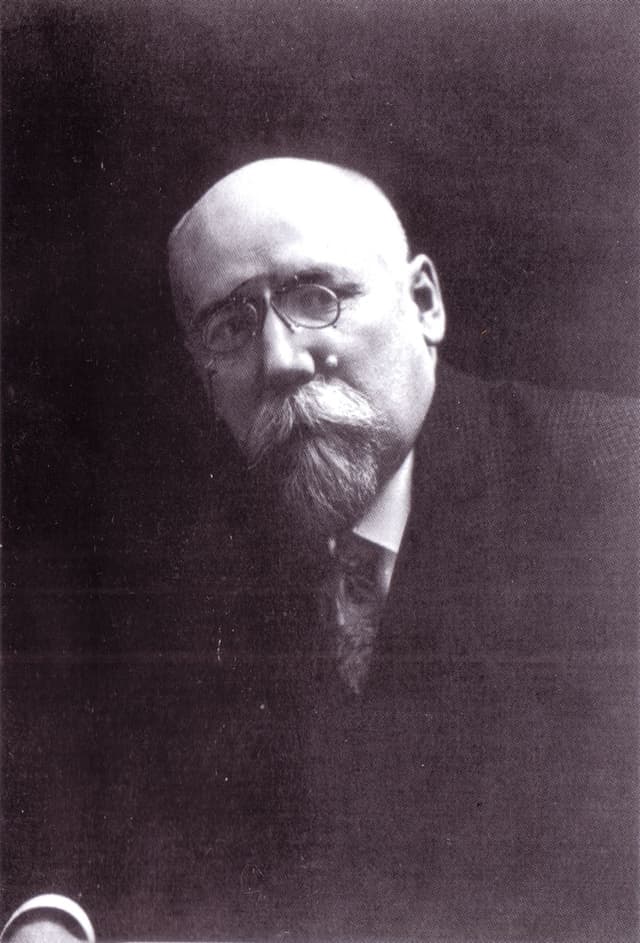
Fyodor Sologub
Fyodor Sologub, originally named Fyodor Kuzmich Teternikov, was a prominent Russian Symbolist known for his multifaceted contributions to literature as a poet, novelist, translator, playwright, and essayist. He emerged as a significant figure in Russian literature during the late 19th and early 20th centuries, introducing morbid and pessimistic themes that echoed the European fin de siècle movement. His most notable work, the novel 'The Petty Demon' (1907), exemplifies his unique style, blending elements of surrealism and psychological depth, which critiques the societal norms of his time and explores the darker aspects of human nature. Sologub's poetry, characterized by its rich imagery and emotional intensity, further solidified his reputation as a key voice in the Symbolist movement. Sologub's literary significance extends beyond his individual works; he played a crucial role in shaping the landscape of Russian literature by challenging conventional narratives and delving into the complexities of the human psyche. His writings often reflected a deep sense of existential angst and a fascination with the grotesque, influencing subsequent generations of writers. Despite his relatively limited recognition during his lifetime, Sologub's legacy endures, as he is now regarded as a pivotal figure in the evolution of Russian literature, bridging the gap between the Symbolist movement and the modernist trends that followed.
Famous Quotes
View all 3 quotes“Indeed a lie is often more plausible than the truth. "Almost" always. The truth, of course, is never very plausible.”
“И на этот раз Передонов, не долго думая, сочинил письмо к княгине. Он писал: "Я люблю вас, потому что вы — холодная и далекая. Варвара потеет, с нею жарко спать, несет, как из печки. Я хочу иметь любовницу холодную и далекую. Приезжайте и соответствуйте".”
“Не врёт надо сказать, - ошибается. Только маленькие врут, врозлые изволят ошибаться.”
Books from the author



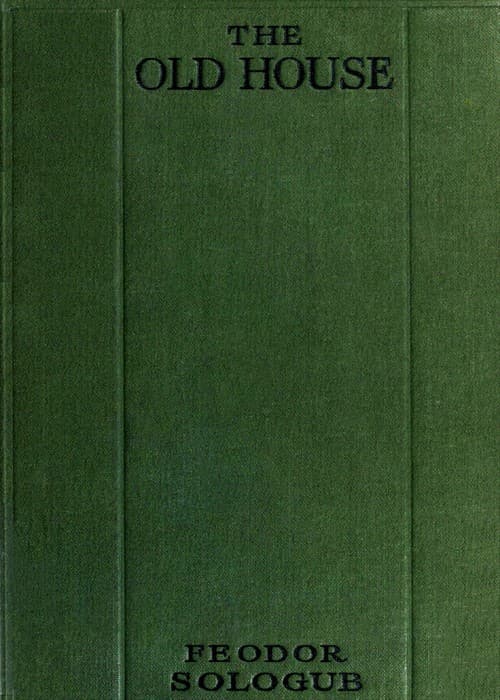

Link to this page
Add a free, dofollow link to Lex on your blog, forum, syllabus, or reading list.

<a href="https://lex-books.com/author/fyodor-sologub"><img src="https://lex-books.com/badges/read-on-lex.svg" alt="Fyodor Sologub on Lex" width="160" height="40"></a>[](https://lex-books.com/author/fyodor-sologub)[url=https://lex-books.com/author/fyodor-sologub][img]https://lex-books.com/badges/read-on-lex.svg[/img][/url]Fyodor Sologub on Lex: https://lex-books.com/author/fyodor-sologub