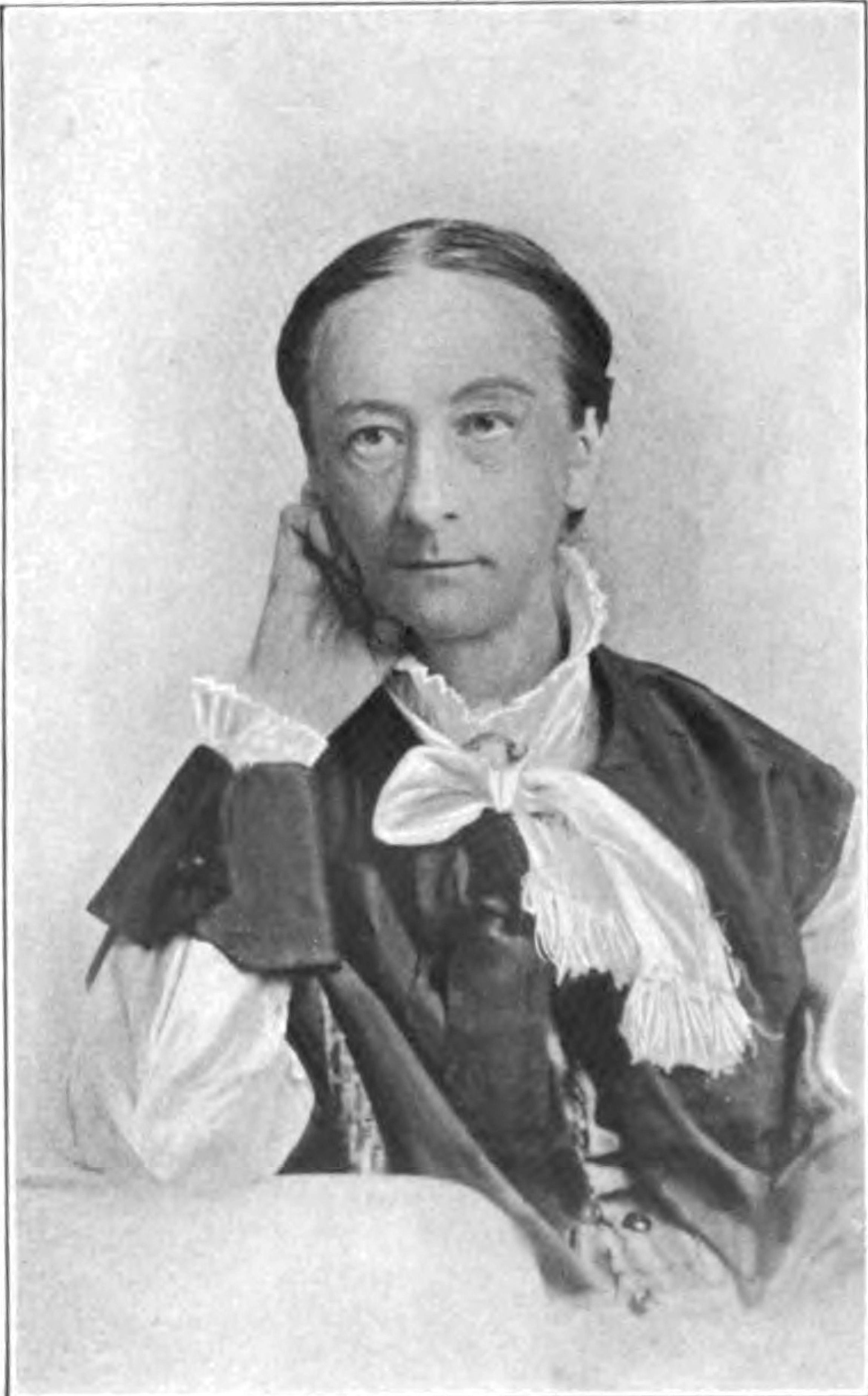
Friedrich Wilhelm Carové
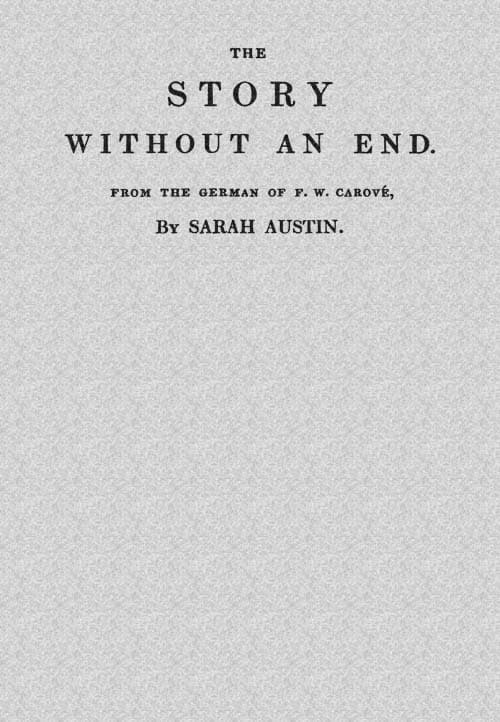
Friedrich Wilhelm Carové was a German author best known for his contributions to early 19th-century literature, particularly in the realm of children's and fantastical storytelling. His most notable work, "The Story Without an End," published in 1810, is a pioneering piece that reflects the Romantic ideals of the time. The narrative, which is structured as an open-ended tale, invites readers to engage their imagination and contemplate the nature of storytelling itself. This innovative approach has earned Carové a place in the literary canon as an early influencer of narrative form and structure in children's literature. Carové's works often blended elements of fantasy and moral lessons, appealing to both young audiences and adults. His emphasis on imagination and the importance of narrative continuity resonated with the Romantic movement's focus on emotion and individual experience. Although not as widely recognized today, Carové's contributions laid groundwork for future authors in the genre, and his exploration of storytelling's boundaries continues to be appreciated by scholars and enthusiasts of literary history. His legacy is particularly significant in the context of children's literature, where his ideas about narrative openness and engagement remain relevant.
Books from the author



Link to this page
Add a free, dofollow link to Lex on your blog, forum, syllabus, or reading list.

<a href="https://lex-books.com/author/friedrich-wilhelm-carové"><img src="https://lex-books.com/badges/read-on-lex.svg" alt="Friedrich Wilhelm Carové on Lex" width="160" height="40"></a>[](https://lex-books.com/author/friedrich-wilhelm-carové)[url=https://lex-books.com/author/friedrich-wilhelm-carové][img]https://lex-books.com/badges/read-on-lex.svg[/img][/url]Friedrich Wilhelm Carové on Lex: https://lex-books.com/author/friedrich-wilhelm-carové