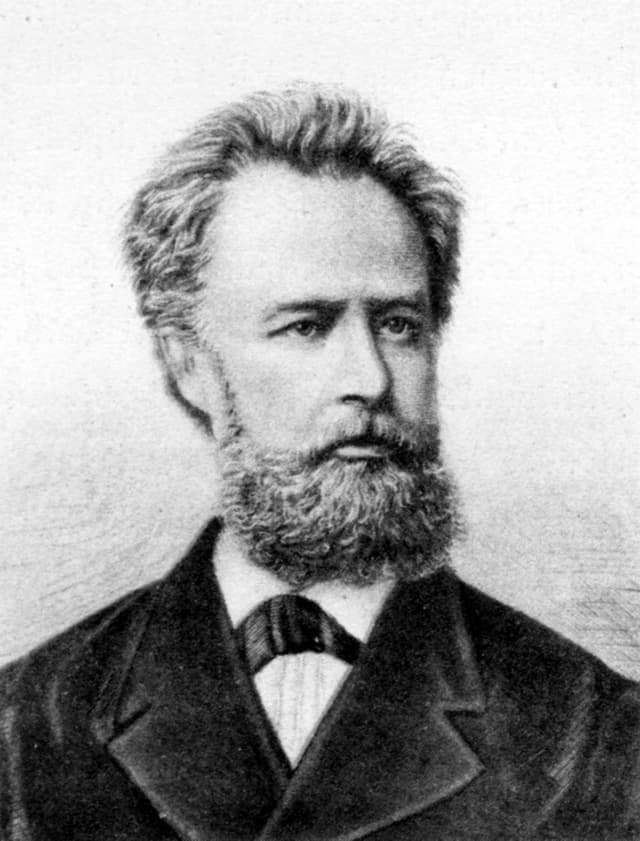
Friedrich Kapp
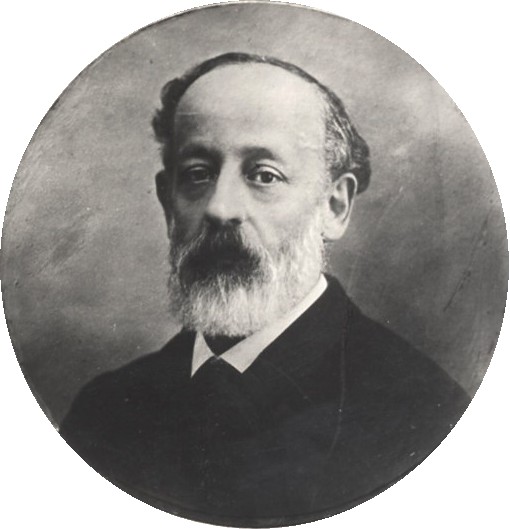
Friedrich Kapp was a German-American lawyer, writer, and politician known for his vocal opposition to the colonial ambitions of Germany in the 19th century. Born in Germany, he later emigrated to the United States, where he became an influential figure in the National Liberal Party. Kapp served as a deputy in the Reichstag, where he passionately argued against the prevailing colonial sentiment of his time. His notable speech at the annual Congress of German Economists highlighted the economic unviability of colonies and warned of their detrimental effects on Anglo-German relations, positioning him as a critical voice in the discourse surrounding imperialism. Kapp's contributions extended beyond politics into literature, where he engaged with themes of nationalism and identity. His writings reflected his commitment to liberal values and his belief in the importance of rational discourse in political matters. Through his advocacy and literary work, Kapp left a lasting impact on German political thought, particularly in the context of colonialism and its implications. His legacy is marked by his courageous stance against the tide of imperialism, making him a significant figure in the dialogue on national policy and ethics during a transformative period in German history.
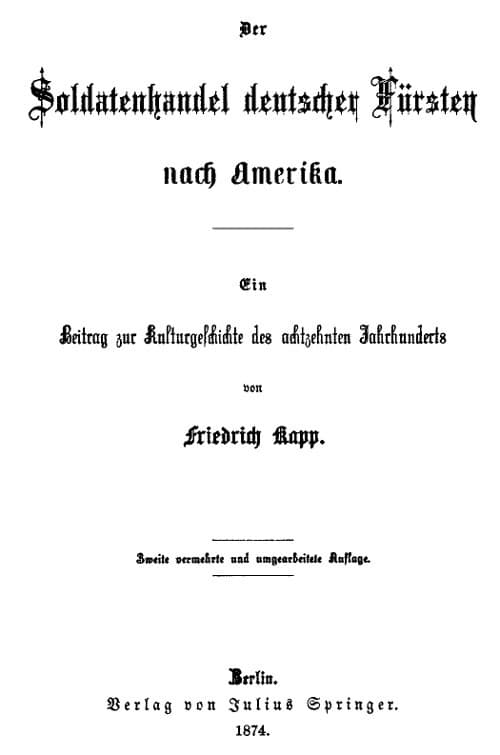
Books from the author




Link to this page
Add a free, dofollow link to Lex on your blog, forum, syllabus, or reading list.

<a href="https://lex-books.com/author/friedrich-kapp"><img src="https://lex-books.com/badges/read-on-lex.svg" alt="Friedrich Kapp on Lex" width="160" height="40"></a>[](https://lex-books.com/author/friedrich-kapp)[url=https://lex-books.com/author/friedrich-kapp][img]https://lex-books.com/badges/read-on-lex.svg[/img][/url]Friedrich Kapp on Lex: https://lex-books.com/author/friedrich-kapp