Eskimo Life
1893
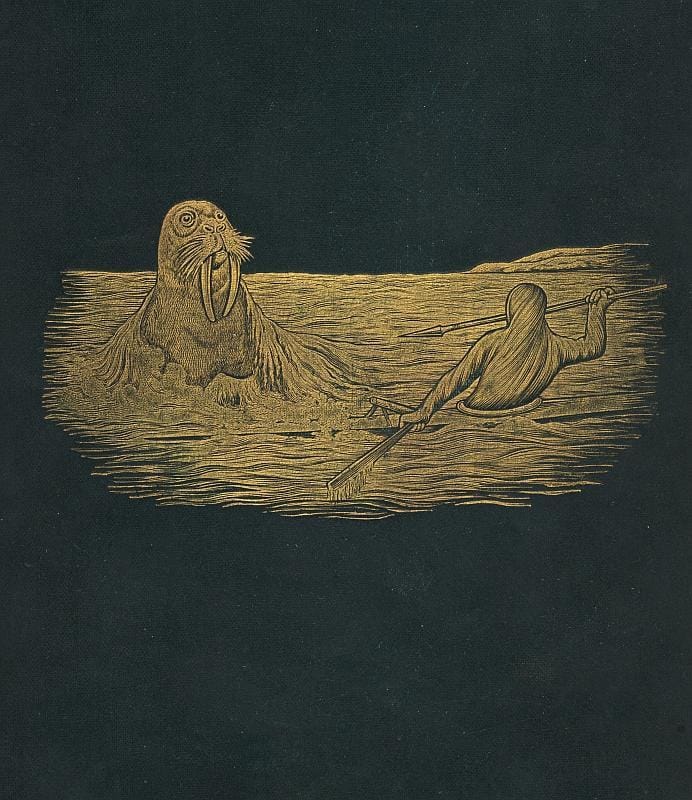
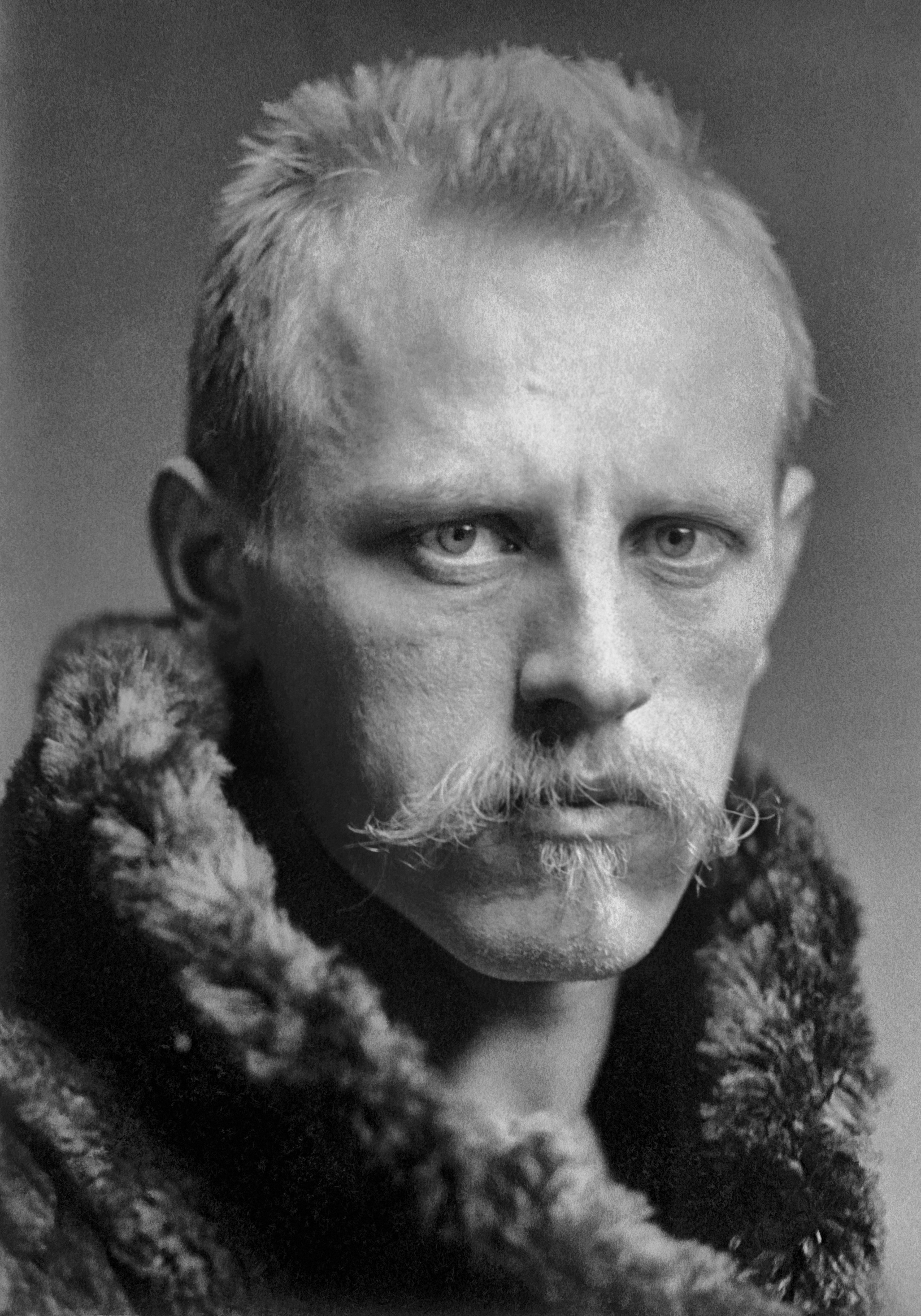
In 1889, the Norwegian explorer Fridtjof Nansen spent a winter among the Inuit of Greenland, and what he witnessed transformed him. This is not a distant scientific survey but a love letter to a people and a landscape, written by a man who shared their fires and learned their ways. Nansen documents hunting techniques, spiritual beliefs, kinship structures, and the daily ingenuity required to survive in a world of ice and wind, but he does so with the eye of someone who understands that he is witnessing something precious and perishable. European traders and missionaries are already arriving, and Nansen watches with grief as alcohol, disease, and economic dependency begin to erode a culture that had mastered survival in one of Earth's most unforgiving environments. His prose carries the stark beauty of the Arctic itself: precise, unsentimental, yet aching with a quiet devastation. This book endures because it captures the Inuit on the eve of transformation, recorded by someone who respected them enough to see clearly what was being lost.
Editions
X-Ray
“Hvad enten man i mange punkter deler mit syn eller ikke, om jeg end ikke finder alt bestaaende saare godt, og selv om jeg skulde vise den svaghed at føle sorg over et synkende folk, som kanske ikke staar til at redde, da det allerede er stukket af vor civilisations giftige braad, saa trøster jeg mig med, at det ikke kan forværre dette folks kaar, og haaber, man vil opfatte mine bemerkninger i samme aand, som de er skrevne.””
— Fridtjof Nansen
Link to this book
Add a free, dofollow link to Lex on your blog, forum, syllabus, or reading list.

<a href="https://lex-books.com/book/eskimo-life-9ed83257-dc6d-4b20-a2be-a7b49d7ef5af"><img src="https://lex-books.com/badges/read-on-lex.svg" alt="Read Eskimo Life by Fridtjof Nansen free on Lex" width="160" height="40"></a>[](https://lex-books.com/book/eskimo-life-9ed83257-dc6d-4b20-a2be-a7b49d7ef5af)[url=https://lex-books.com/book/eskimo-life-9ed83257-dc6d-4b20-a2be-a7b49d7ef5af][img]https://lex-books.com/badges/read-on-lex.svg[/img][/url]Read Eskimo Life by Fridtjof Nansen free on Lex: https://lex-books.com/book/eskimo-life-9ed83257-dc6d-4b20-a2be-a7b49d7ef5afCite this book
Reading this edition for a paper or guide? Copy a citation.
Nansen, Fridtjof. Eskimo Life. Lex, lex-books.com/book/eskimo-life-9ed83257-dc6d-4b20-a2be-a7b49d7ef5af.Nansen, F. (1893). Eskimo Life. Lex. https://lex-books.com/book/eskimo-life-9ed83257-dc6d-4b20-a2be-a7b49d7ef5afNansen, Fridtjof. Eskimo Life. Lex. https://lex-books.com/book/eskimo-life-9ed83257-dc6d-4b20-a2be-a7b49d7ef5af.