Frederic H. Sawyer
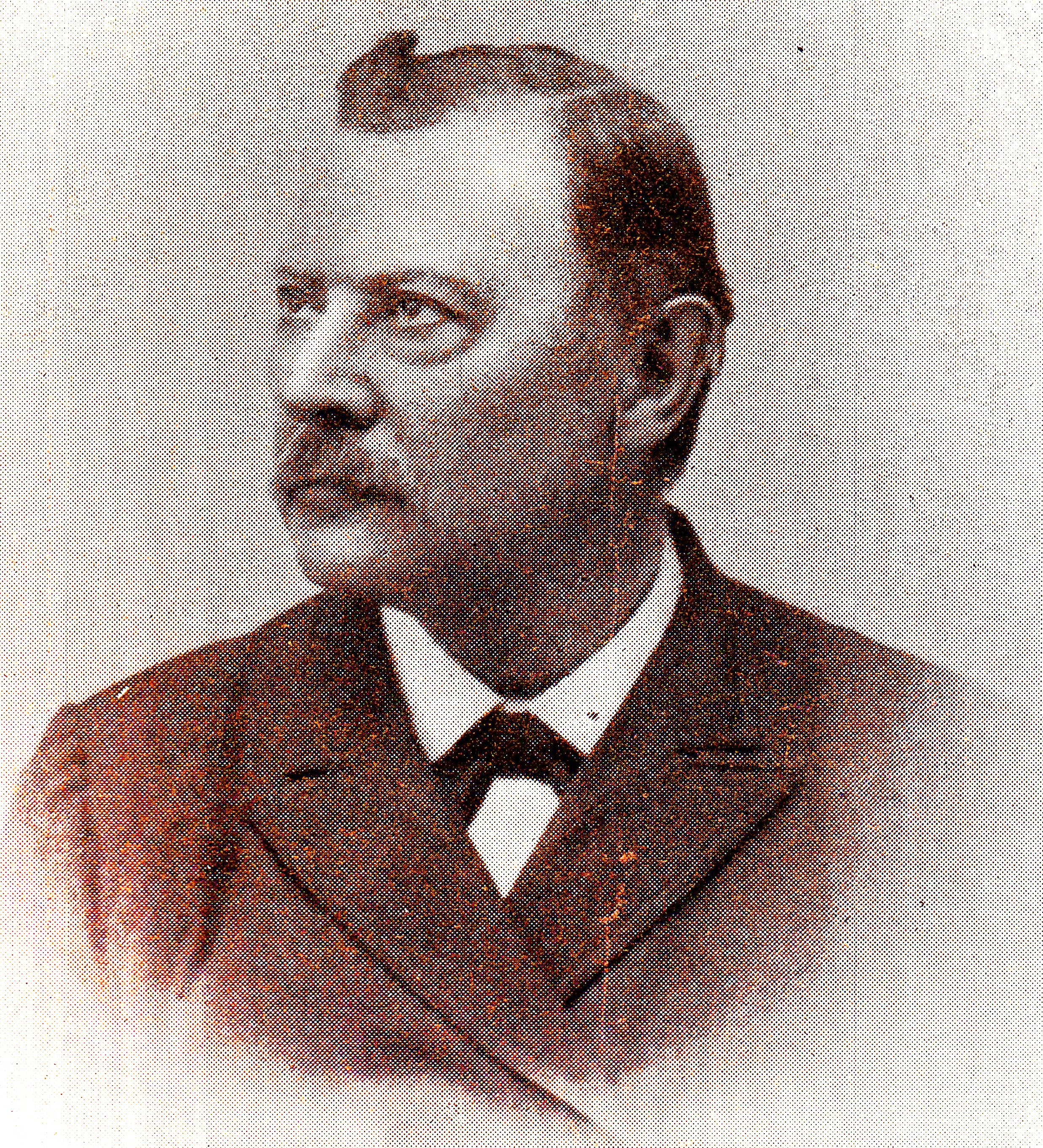
Frederick Adolphus Sawyer was a prominent figure in American politics and education during the Reconstruction era. Born in Bolton, Massachusetts, he graduated from Harvard University in 1844 and initially pursued a career in teaching. In 1859, he took charge of the normal school in Charleston, South Carolina, where he played a significant role in shaping educational practices in the region. His life took a pivotal turn during the Civil War when he returned to the North, only to return to Charleston in 1865, where he became an advocate for Reconstruction measures. Notably, Sawyer witnessed the assassination of President Abraham Lincoln at Ford's Theater, an event that underscored the tumultuous period in which he lived. Sawyer's political career began in earnest after the Civil War when he was appointed as the collector of internal revenue in South Carolina. He was elected as a Republican to the U.S. Senate, serving from 1868 to 1873, where he was notably active on the Committee on Education. His commitment to educational reform was evident throughout his career, and he continued to influence education as Assistant Secretary of the Treasury and later as a special agent for the War Department. After moving to Tennessee in 1889, he became involved in land development, contributing to the establishment of the city of Shawanee. Sawyer's legacy is intertwined with his contributions to education and his role in the political landscape of post-Civil War America, as well as through his family's connections to prominent political figures.
Books from the author




Link to this page
Add a free, dofollow link to Lex on your blog, forum, syllabus, or reading list.

<a href="https://lex-books.com/author/frederic-h-sawyer"><img src="https://lex-books.com/badges/read-on-lex.svg" alt="Frederic H. Sawyer on Lex" width="160" height="40"></a>[](https://lex-books.com/author/frederic-h-sawyer)[url=https://lex-books.com/author/frederic-h-sawyer][img]https://lex-books.com/badges/read-on-lex.svg[/img][/url]Frederic H. Sawyer on Lex: https://lex-books.com/author/frederic-h-sawyer