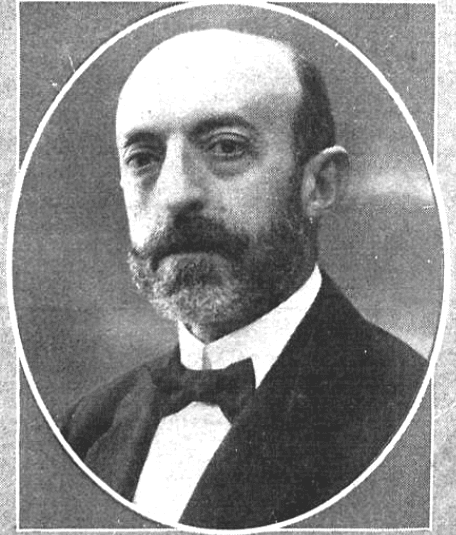
Felipe Trigo
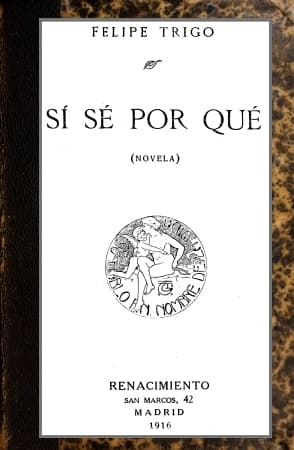
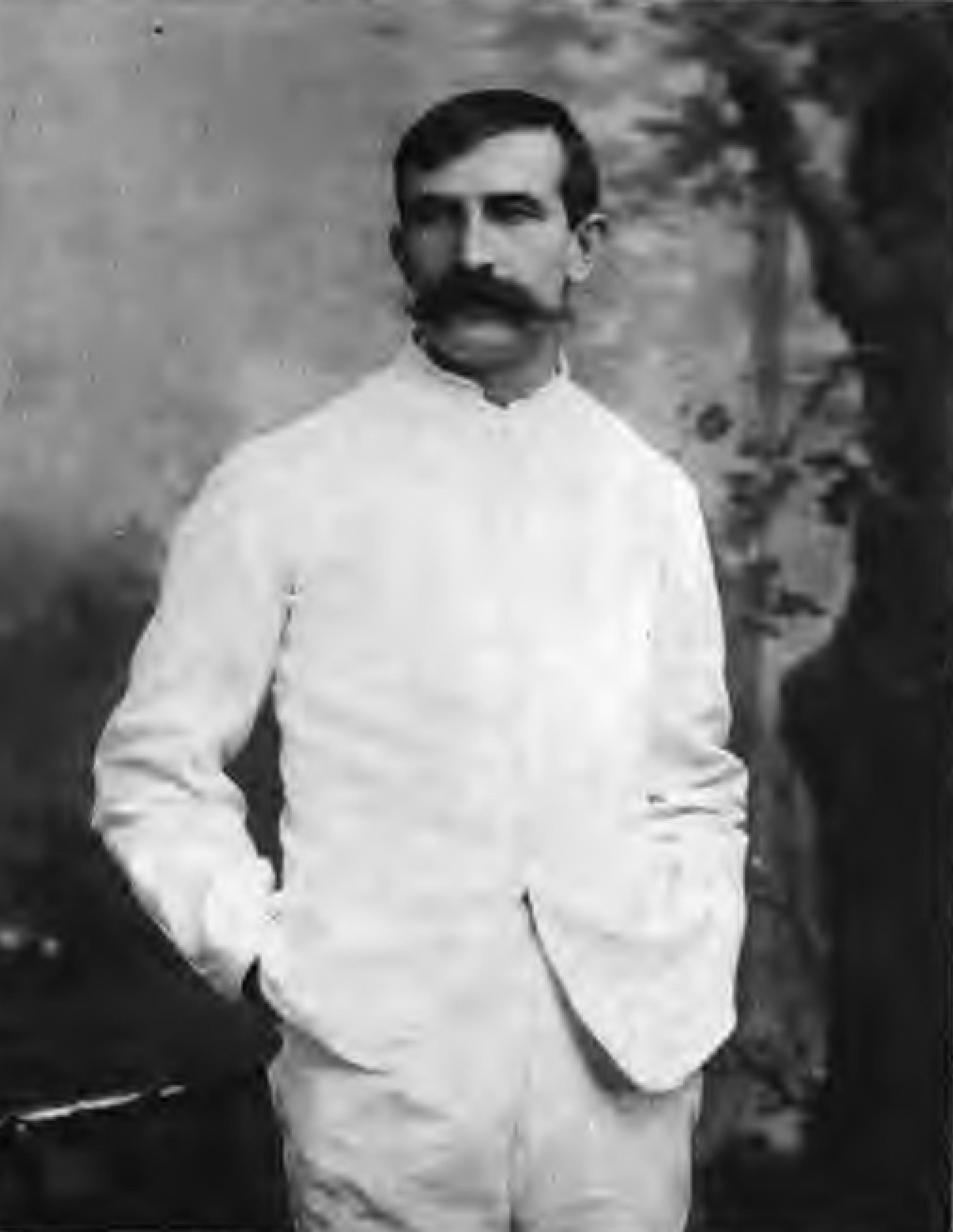
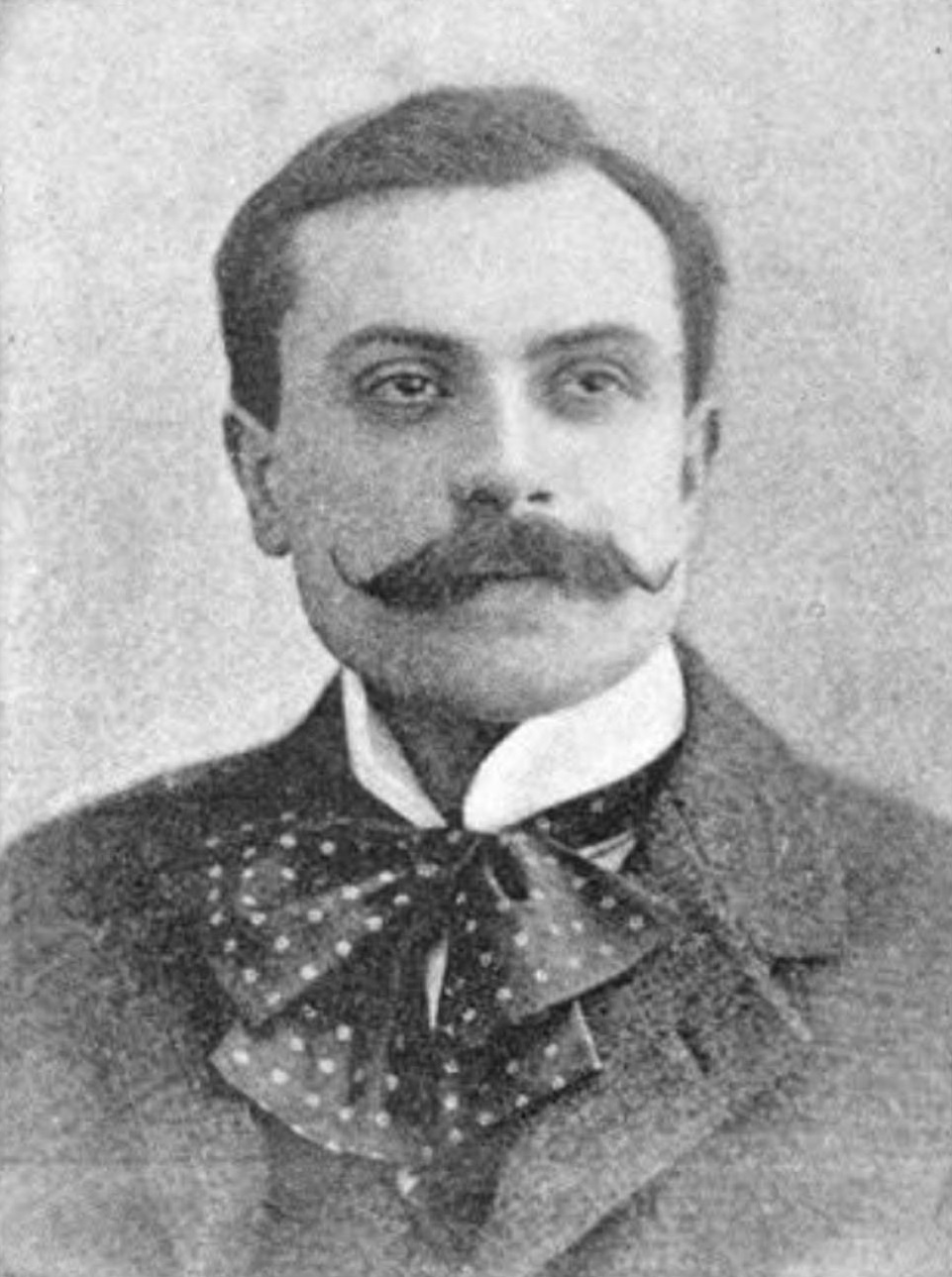
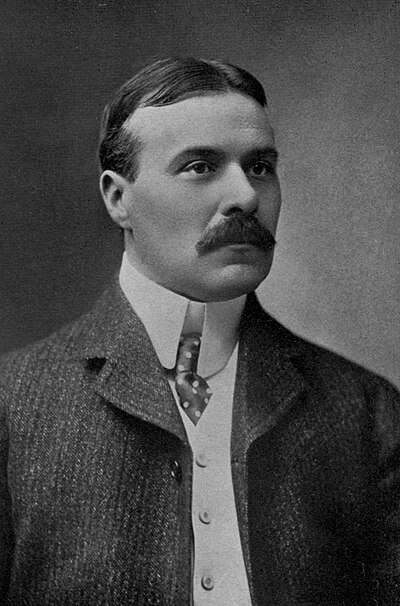
Felipe Trigo was a notable Spanish writer whose literary career emerged from a background in medicine. Born in Villanueva de la Serena, he initially pursued a medical degree in Madrid and served in various medical capacities, including a stint with the Military Health Corps in the Philippines. However, in 1900, he abandoned his medical profession to devote himself entirely to writing. Trigo's works often explored themes of eroticism, but he also engaged deeply with social issues, particularly the plight of illiteracy and the exploitation of peasants in Extremadura, his home region. His literary contributions include novels and essays that not only entertain but also provoke thought about the social conditions of his time. Trigo's candid exploration of erotic themes was considered bold for his era, while his social critiques highlighted the injustices faced by the rural poor. Through works such as "La mujer de los dos" and "Cuentos de la tierra," he left a lasting impact on Spanish literature, paving the way for future writers to address both personal and societal issues with honesty and depth. Trigo's legacy endures as a voice that challenged the status quo and brought attention to the struggles of his contemporaries.
Famous Quotes
View all 1 quotes“No piensa usted que el odio es un honor que no puede concedérsele a cualquiera?”
Books from the author


Link to this page
Add a free, dofollow link to Lex on your blog, forum, syllabus, or reading list.

<a href="https://lex-books.com/author/felipe-trigo"><img src="https://lex-books.com/badges/read-on-lex.svg" alt="Felipe Trigo on Lex" width="160" height="40"></a>[](https://lex-books.com/author/felipe-trigo)[url=https://lex-books.com/author/felipe-trigo][img]https://lex-books.com/badges/read-on-lex.svg[/img][/url]Felipe Trigo on Lex: https://lex-books.com/author/felipe-trigo