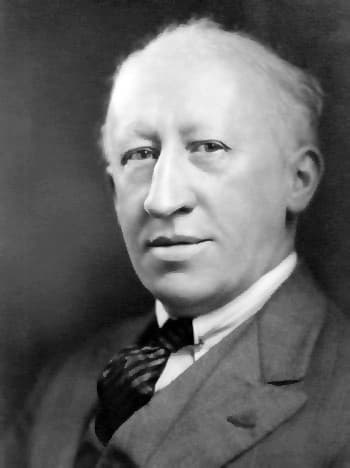
Ernest Newman
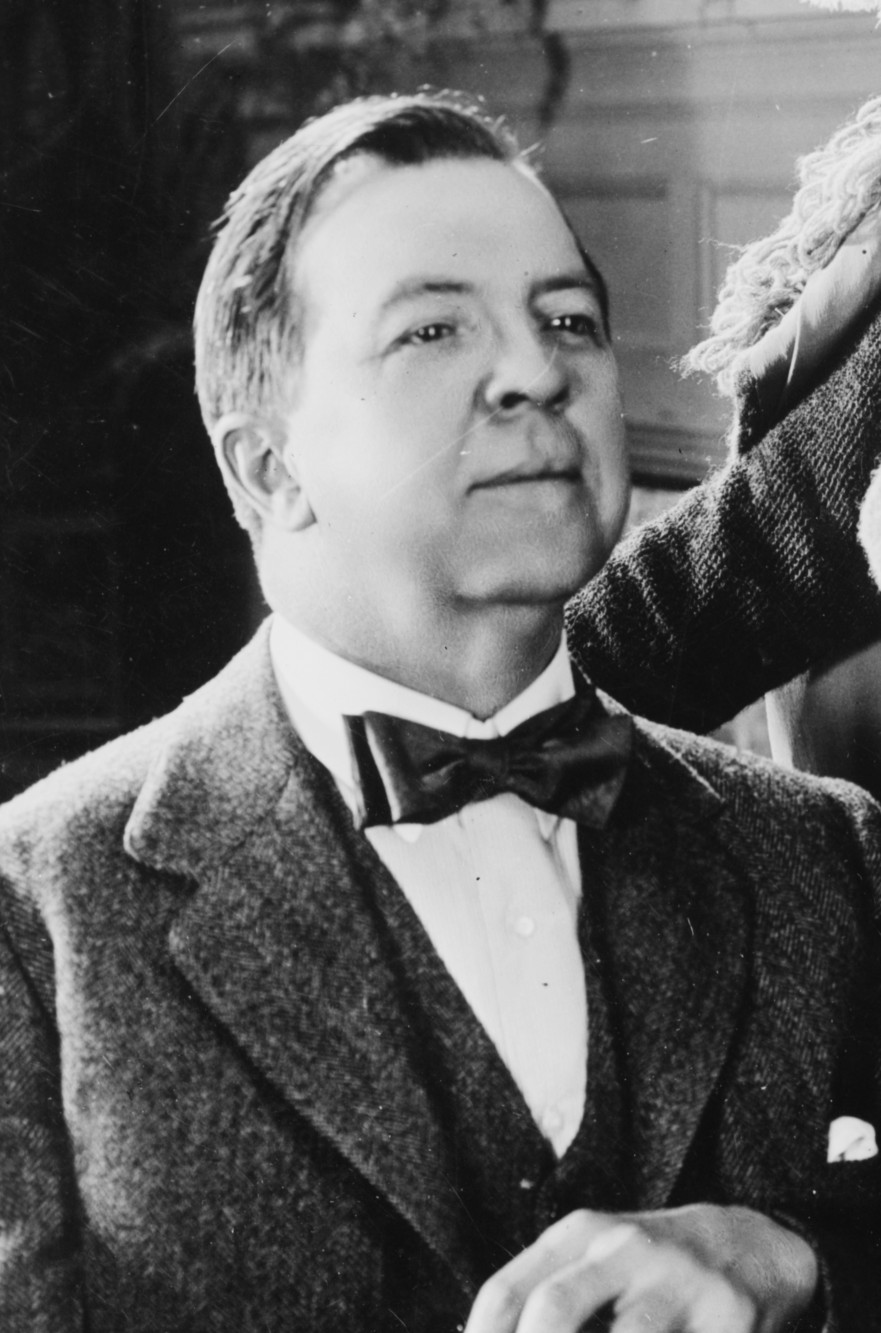
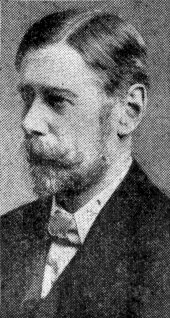
Ernest Newman was a prominent English music critic and musicologist, recognized as one of the leading figures in music criticism during the first half of the 20th century. His approach to criticism was marked by a commitment to intellectual objectivity, setting him apart from contemporaries like Neville Cardus, who favored a more subjective style. Newman's extensive writings included influential works on notable composers such as Richard Wagner, Hugo Wolf, and Richard Strauss, where he combined scholarly insight with accessible prose. His tenure as music critic for The Sunday Times spanned nearly four decades, from 1920 until his death, solidifying his reputation as a key voice in the field of music criticism. In addition to his work at The Sunday Times, Newman held significant positions at various publications, including The Birmingham Post, where he served as chief music critic from 1906 to 1919, and brief roles at The Guardian and The Observer. His contributions to music literature and criticism not only shaped the discourse around classical music in his time but also influenced future generations of critics and musicologists. Newman's legacy endures through his writings, which continue to be referenced for their depth of analysis and commitment to understanding music's broader cultural significance.
Famous Quotes
View all 2 quotes“The greatest composer does not sit down to work because he is inspired, but becomes inspired because he is working.”
“Was he so ignorant of human nature as not to know that a comfortable bank balance and an appreciation of good food and tobacco and well-cut clothes and jewels can go perfectly well in practice, in normal beings, with the keenest sensibility to the spiritualities of art?”
Books from the author









Link to this page
Add a free, dofollow link to Lex on your blog, forum, syllabus, or reading list.

<a href="https://lex-books.com/author/ernest-newman"><img src="https://lex-books.com/badges/read-on-lex.svg" alt="Ernest Newman on Lex" width="160" height="40"></a>[](https://lex-books.com/author/ernest-newman)[url=https://lex-books.com/author/ernest-newman][img]https://lex-books.com/badges/read-on-lex.svg[/img][/url]Ernest Newman on Lex: https://lex-books.com/author/ernest-newman