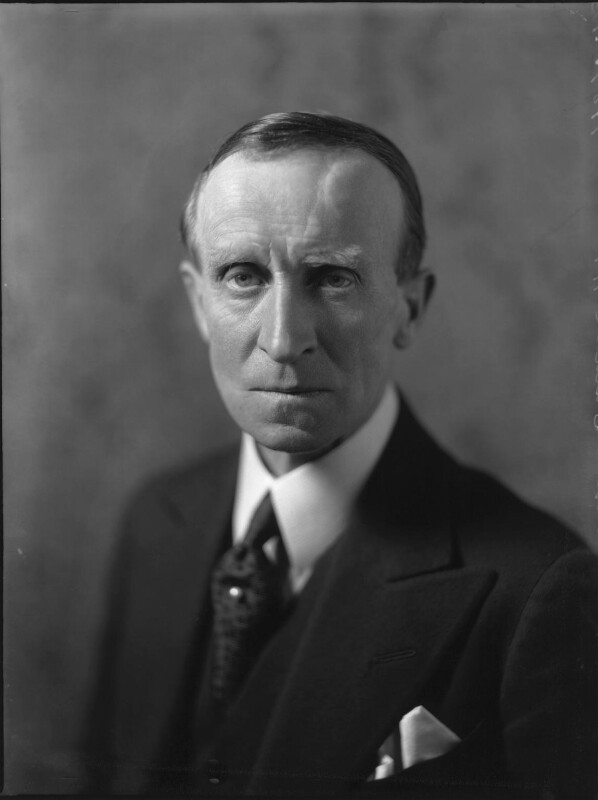
John Buchan
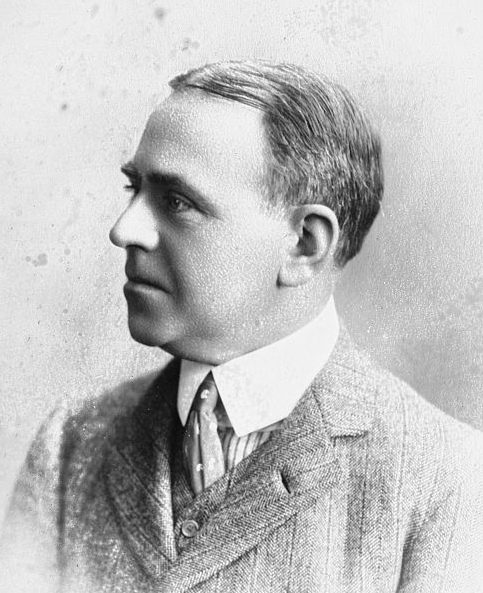
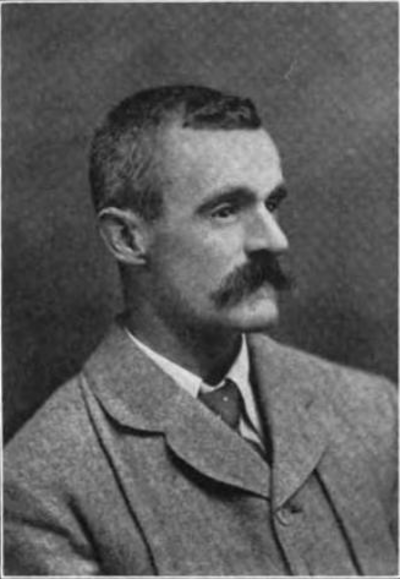
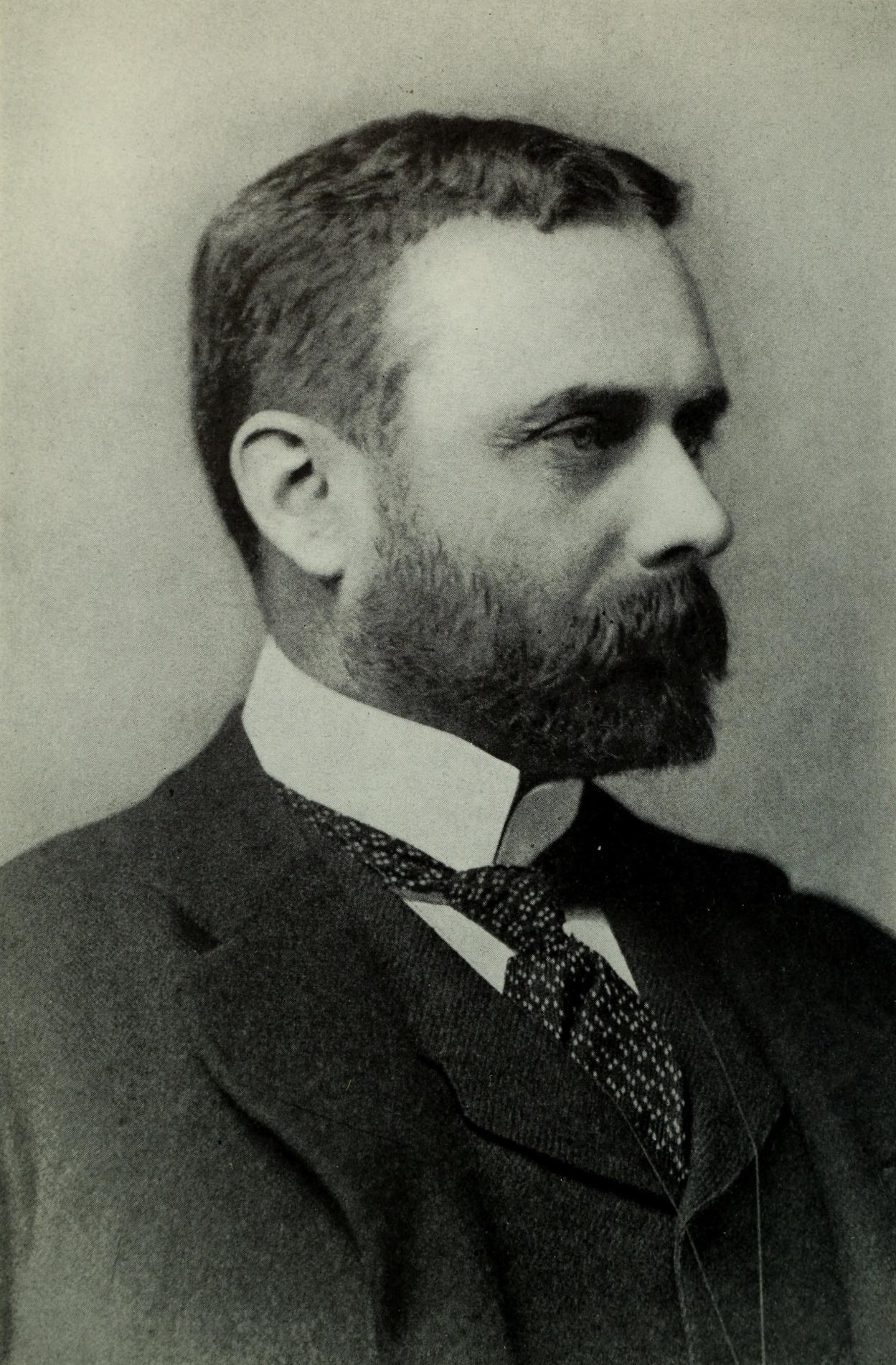
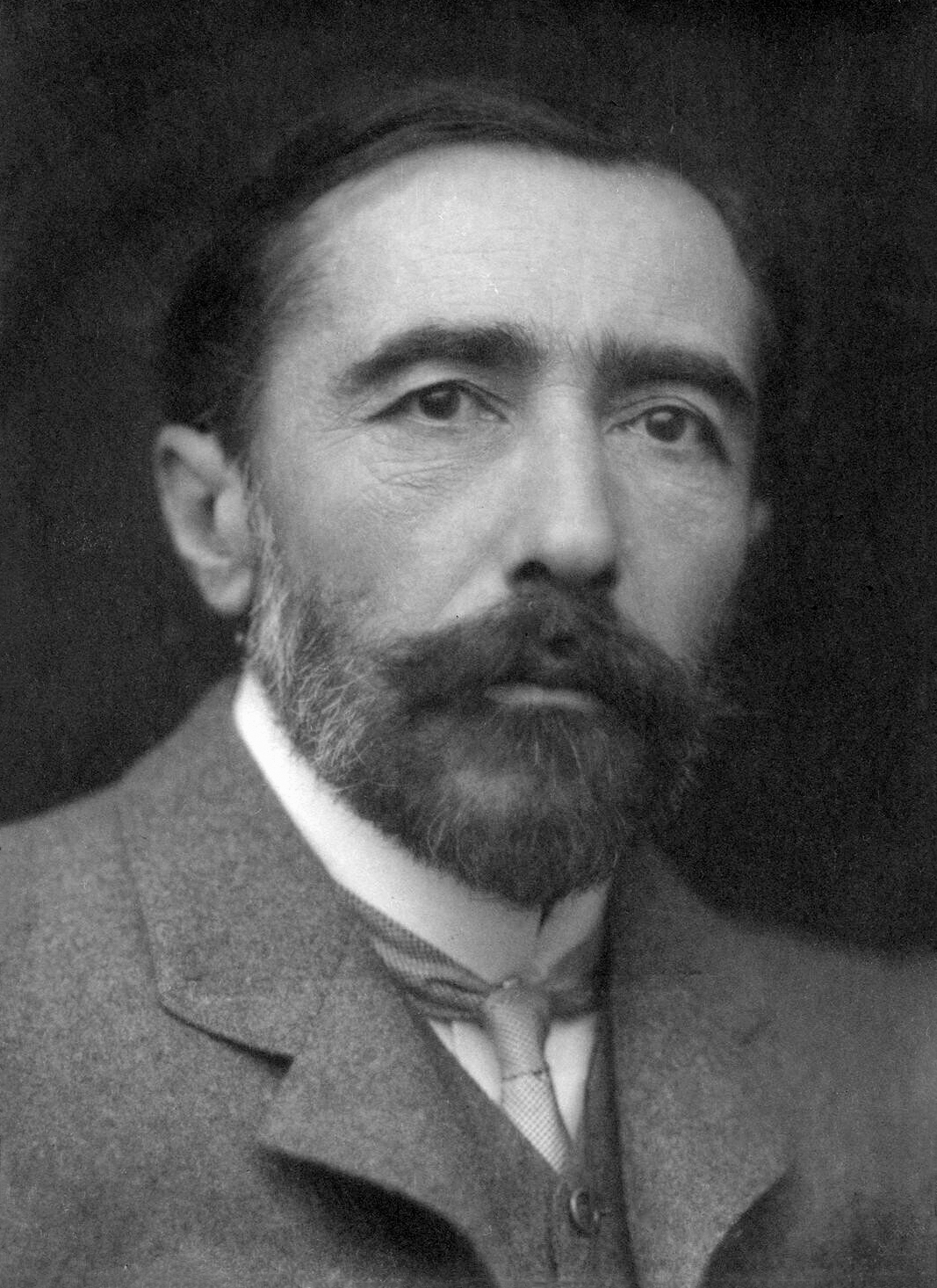
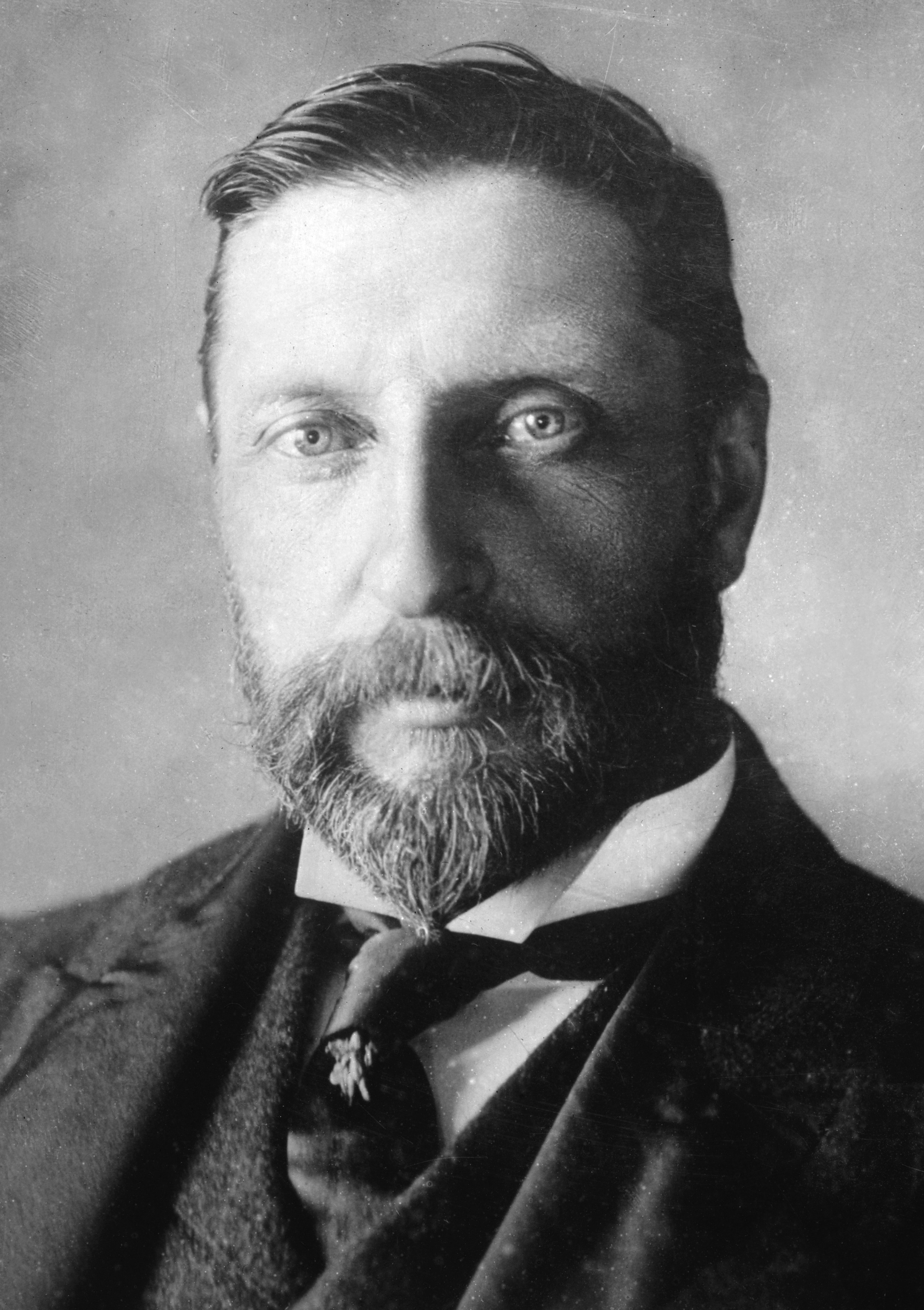
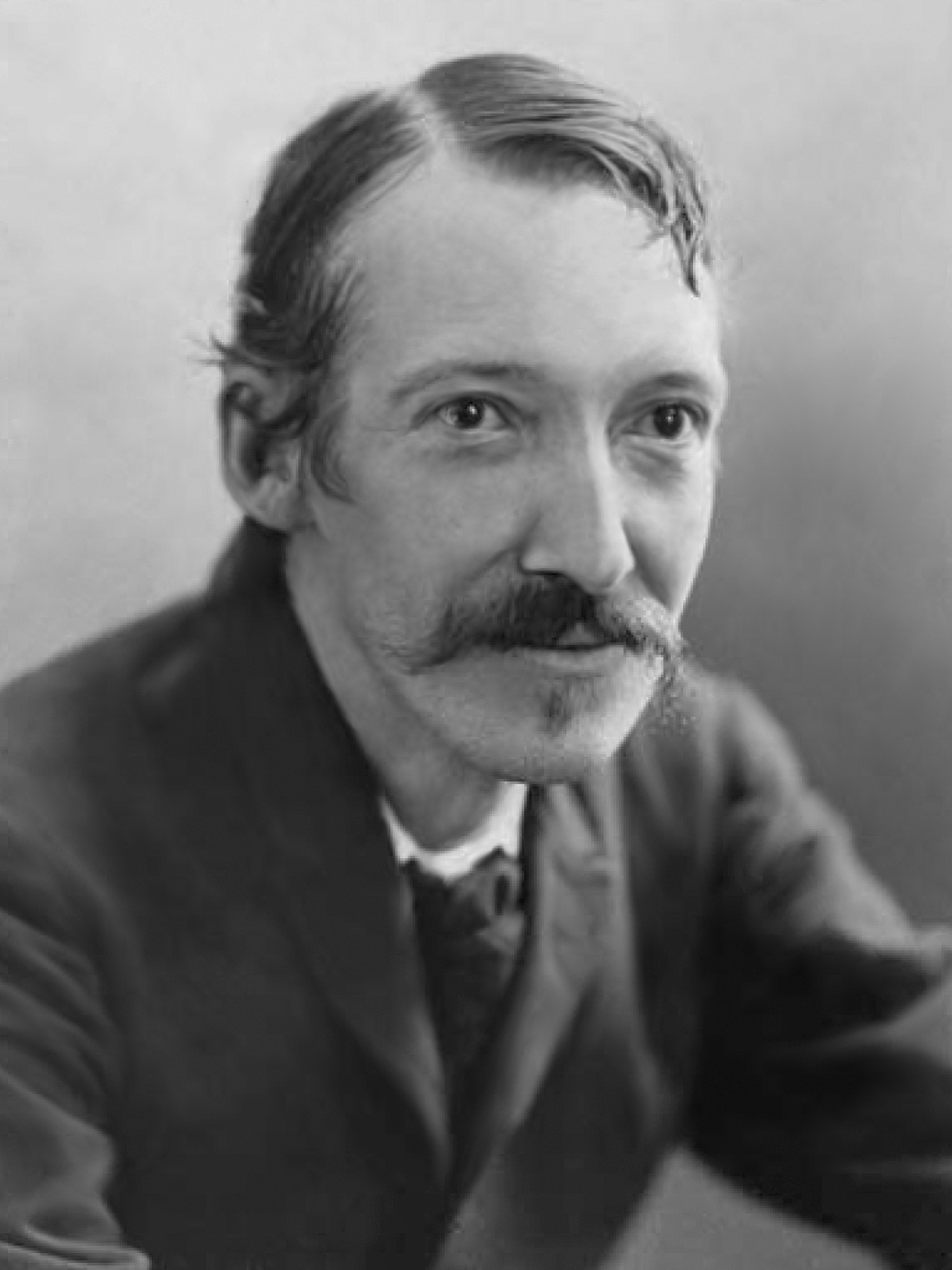
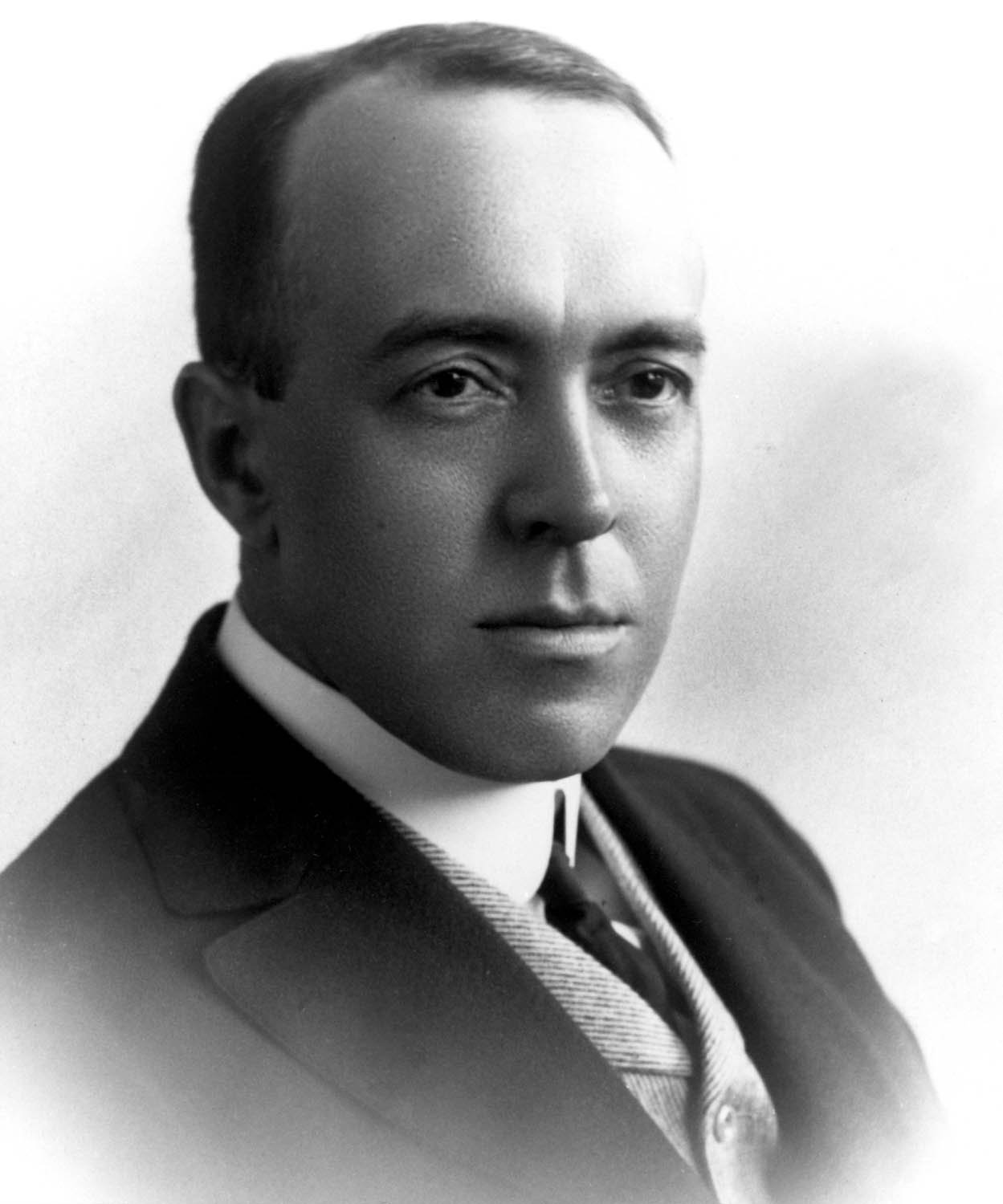
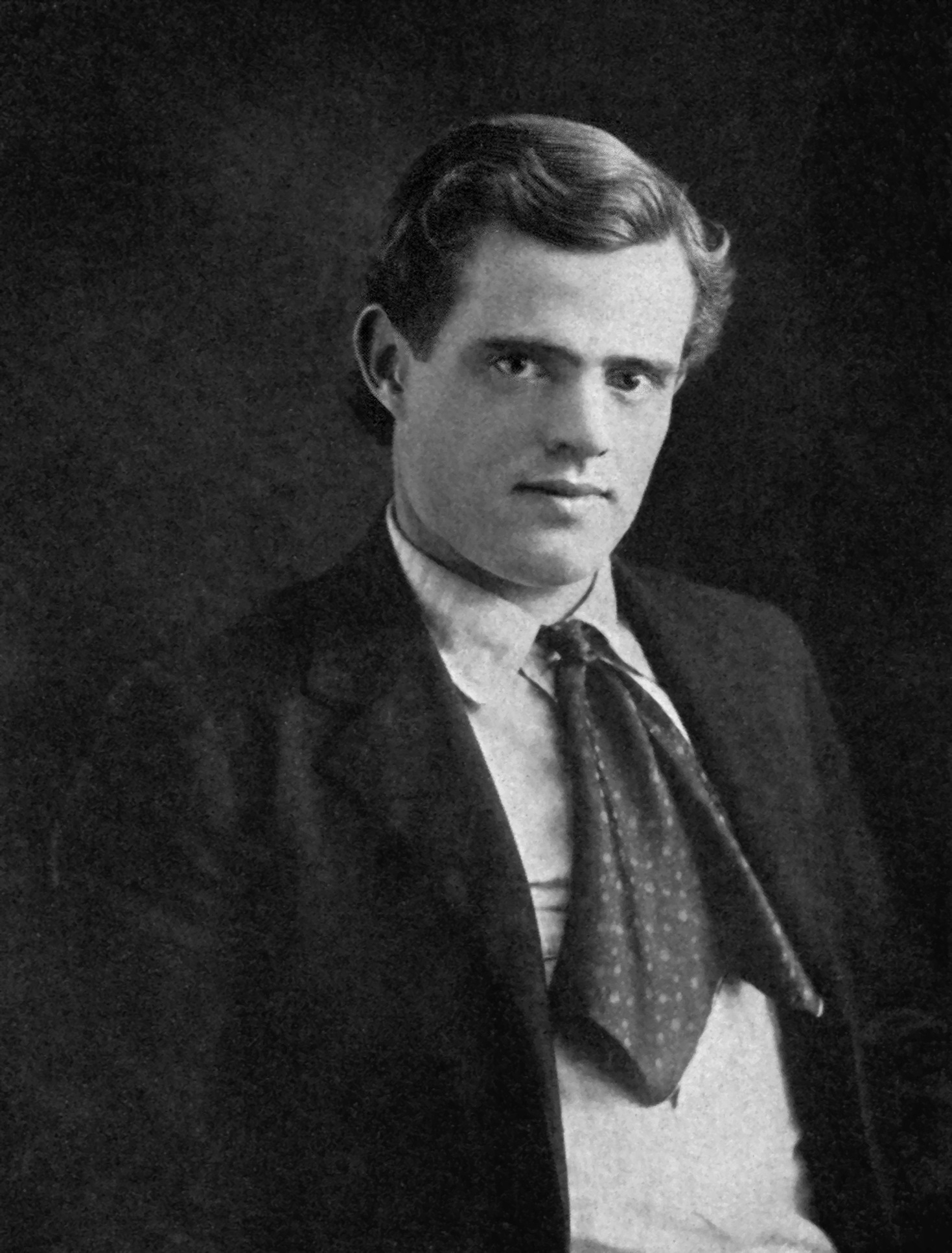
John Buchan was a multifaceted Scottish novelist, historian, and politician, best known for his thrilling adventure novels that captured the imagination of readers in the early 20th century. He published his first novel in 1895 and went on to write over a hundred works, with 'The Thirty-Nine Steps' standing out as his most famous. Buchan's literary career was complemented by his roles in public service, including his position as a barrister and later as a politician, where he served as a Member of Parliament and ultimately as Governor General of Canada. His experiences in the Boer War and during World War I, where he held significant roles in military intelligence, informed much of his writing, imbuing it with a sense of realism and urgency. Buchan's legacy extends beyond his novels; he played a crucial role in promoting Canadian unity and sovereignty during his tenure as Governor General. His contributions to literature and public life reflect a deep commitment to both his Scottish heritage and his adopted Canadian identity. His works, particularly in the adventure genre, have influenced countless writers and remain significant in the canon of British literature, showcasing the interplay between politics, history, and storytelling. Buchan's impact was recognized posthumously with a state funeral in Canada, underscoring his importance to the nation he helped to shape.
Famous Quotes
View all 3 quotes“He disliked emotion, not because he felt lightly, but because he felt deeply.”
“An atheist is a man who has no invisible means of support.”
“I believe everything out of the common. The only thing to distrust is the normal.”
Books from the author





Link to this page
Add a free, dofollow link to Lex on your blog, forum, syllabus, or reading list.

<a href="https://lex-books.com/author/john-buchan"><img src="https://lex-books.com/badges/read-on-lex.svg" alt="John Buchan on Lex" width="160" height="40"></a>[](https://lex-books.com/author/john-buchan)[url=https://lex-books.com/author/john-buchan][img]https://lex-books.com/badges/read-on-lex.svg[/img][/url]John Buchan on Lex: https://lex-books.com/author/john-buchan