Emile Picard
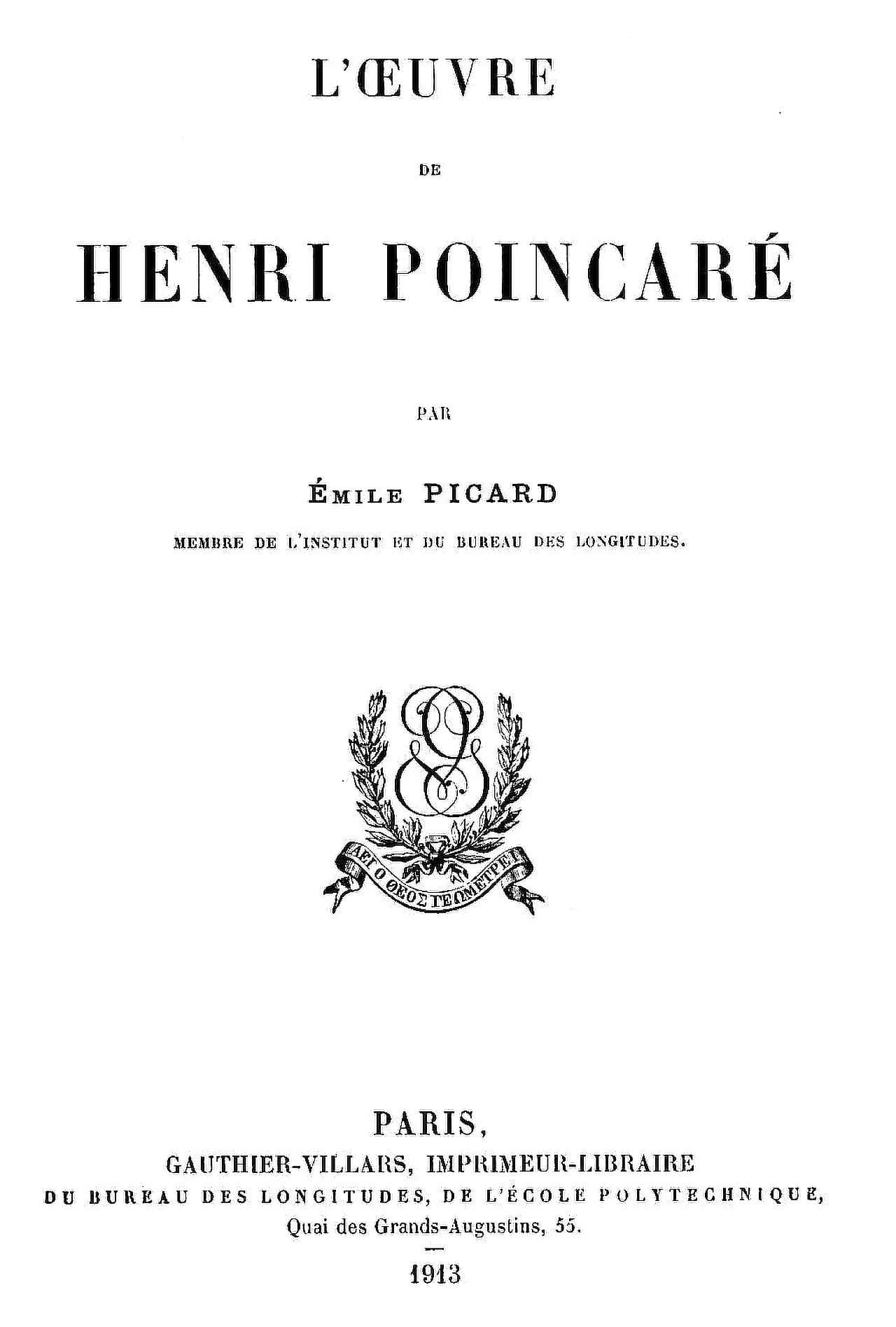
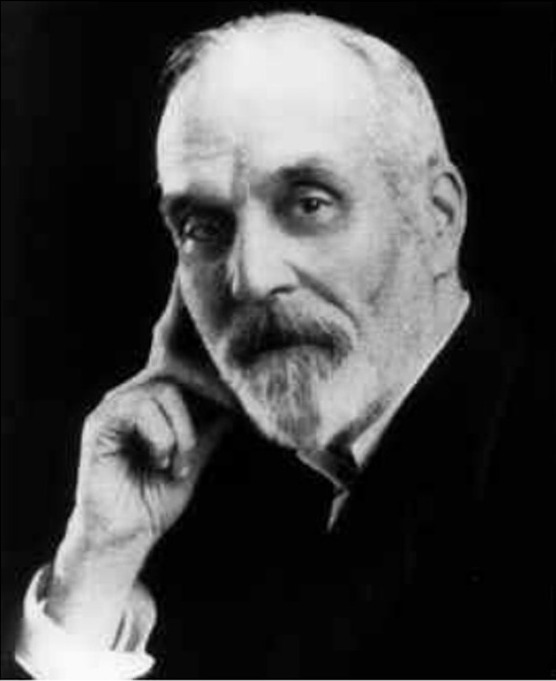
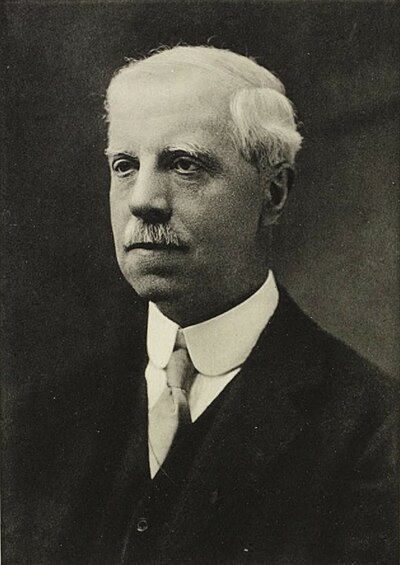
Charles Émile Picard was a prominent French mathematician known for his significant contributions to the fields of analysis and differential equations. Born in 1856, he displayed an early aptitude for mathematics, eventually studying at the École Normale Supérieure. His academic career flourished as he became a professor at the University of Paris, where he influenced generations of mathematicians. Picard's work included the development of the Picard iteration method and the Picard-Lindelöf theorem, which are foundational in the study of ordinary differential equations. In addition to his research, Picard was a member of the Académie française, elected in 1924, marking his influence beyond mathematics into the cultural sphere of France. His legacy is characterized by his ability to bridge pure mathematics with practical applications, earning him recognition as a leading figure in the mathematical community. Picard's contributions laid the groundwork for future advancements in mathematical analysis, solidifying his place in the history of mathematics as a key innovator and educator.
Famous Quotes
View all 1 quotes“These speculations about infinity are a completely new chapter in the history of mathematics of recent years, but it is necessary to recognize that this chapter does not escape paradoxes. Thus, one can define certain numbers that belong, and at the same time do not belong, to specific sets. All problems of this type are caused by a lack of agreement on what existence means. Some believers in set theory are scholastics who would have loved to discuss the proofs of the existence of God with Saint Anselme and his opponent Gaunilon, the monk of Noirmoutiers.”
Books from the author





Link to this page
Add a free, dofollow link to Lex on your blog, forum, syllabus, or reading list.

<a href="https://lex-books.com/author/emile-picard"><img src="https://lex-books.com/badges/read-on-lex.svg" alt="Emile Picard on Lex" width="160" height="40"></a>[](https://lex-books.com/author/emile-picard)[url=https://lex-books.com/author/emile-picard][img]https://lex-books.com/badges/read-on-lex.svg[/img][/url]Emile Picard on Lex: https://lex-books.com/author/emile-picard