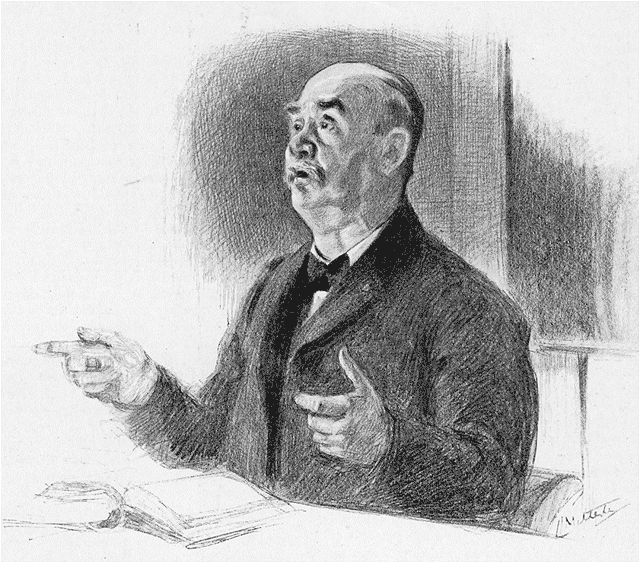
Emile Gebhart
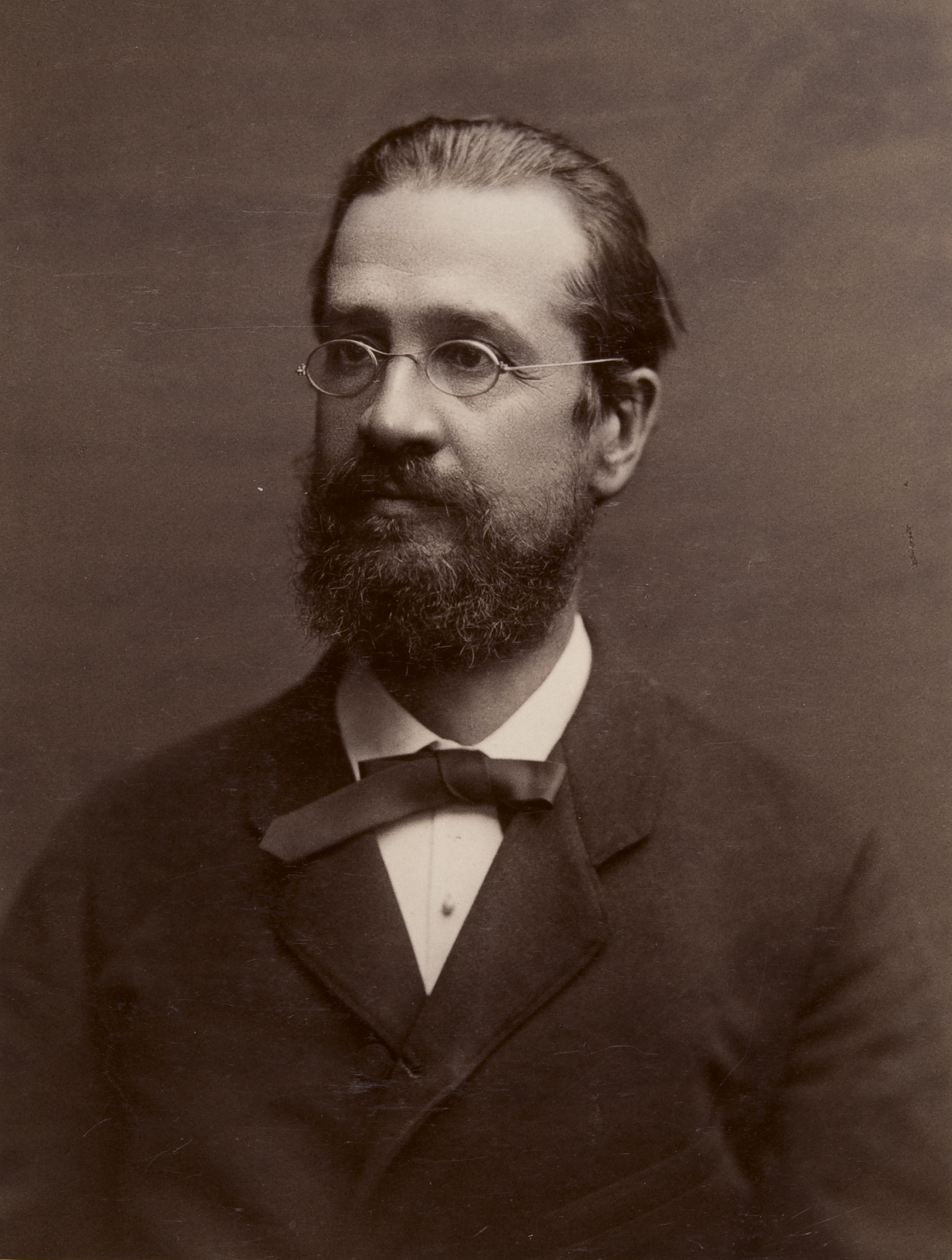
Émile Gebhart was a prominent French academic and writer known for his contributions to literature and his staunch religious and patriotic beliefs. Born in Nancy, he pursued a career in academia, which culminated in his election to the prestigious Académie Française in 1905, where he held fauteuil 34. His literary work often reflected his ideals, intertwining themes of faith and national pride, which garnered both admiration and criticism from his contemporaries, particularly from Radical factions who opposed his views. Throughout his career, Gebhart's writings explored the intersection of culture and morality, and he became a significant figure in the French literary landscape of the late 19th and early 20th centuries. His legacy is marked by his commitment to his principles, as well as his influence on the discourse surrounding religion and nationalism in literature. Despite the controversies he faced, Gebhart's contributions to French letters remain noteworthy, underscoring the complexities of his era's intellectual climate.
Books from the author
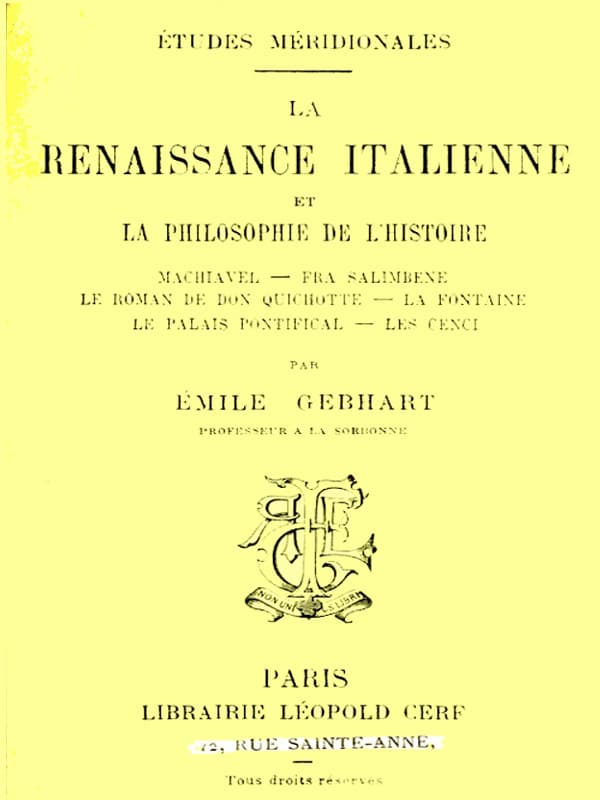
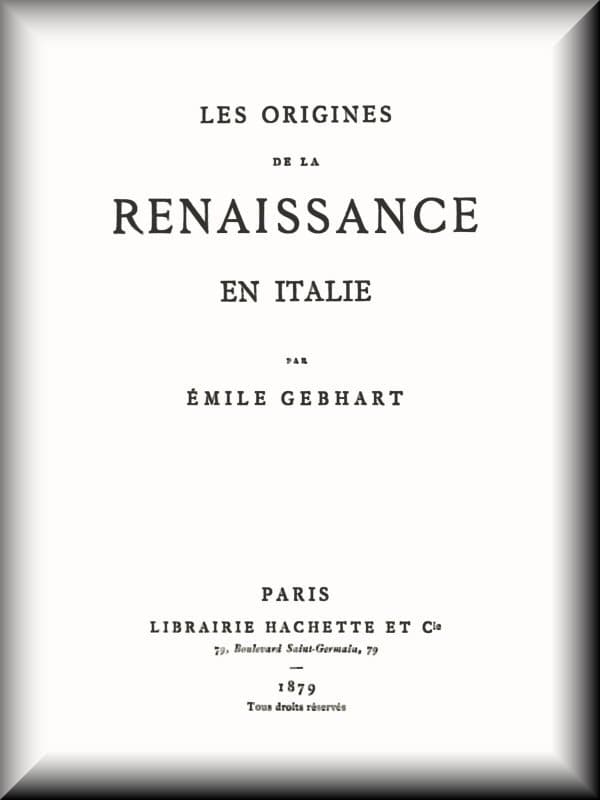






Link to this page
Add a free, dofollow link to Lex on your blog, forum, syllabus, or reading list.

<a href="https://lex-books.com/author/emile-gebhart"><img src="https://lex-books.com/badges/read-on-lex.svg" alt="Emile Gebhart on Lex" width="160" height="40"></a>[](https://lex-books.com/author/emile-gebhart)[url=https://lex-books.com/author/emile-gebhart][img]https://lex-books.com/badges/read-on-lex.svg[/img][/url]Emile Gebhart on Lex: https://lex-books.com/author/emile-gebhart