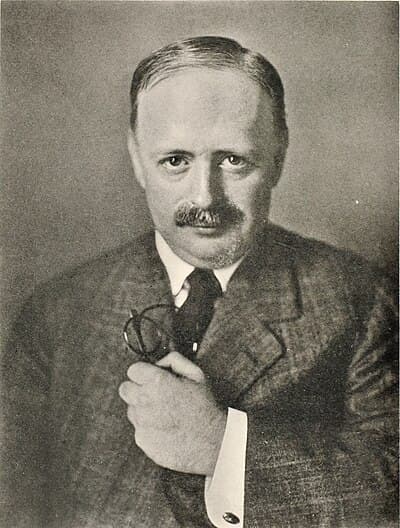
Elmer Ernest Southard
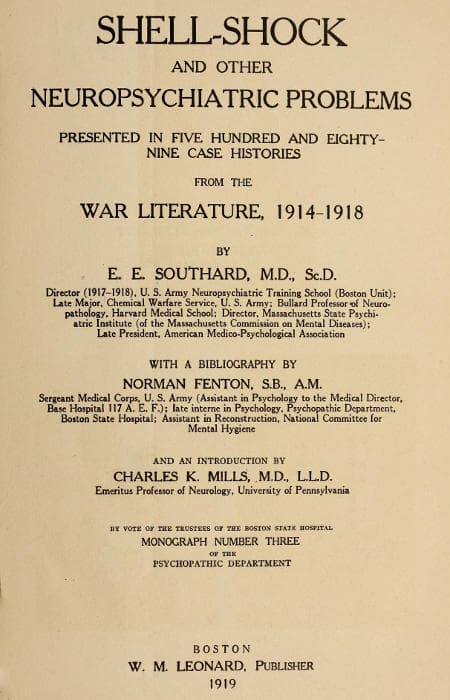
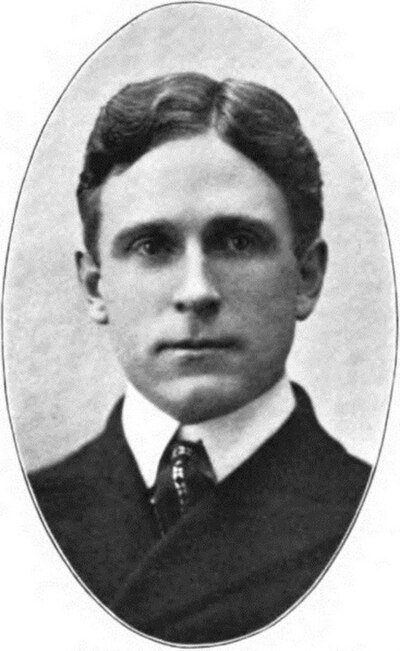
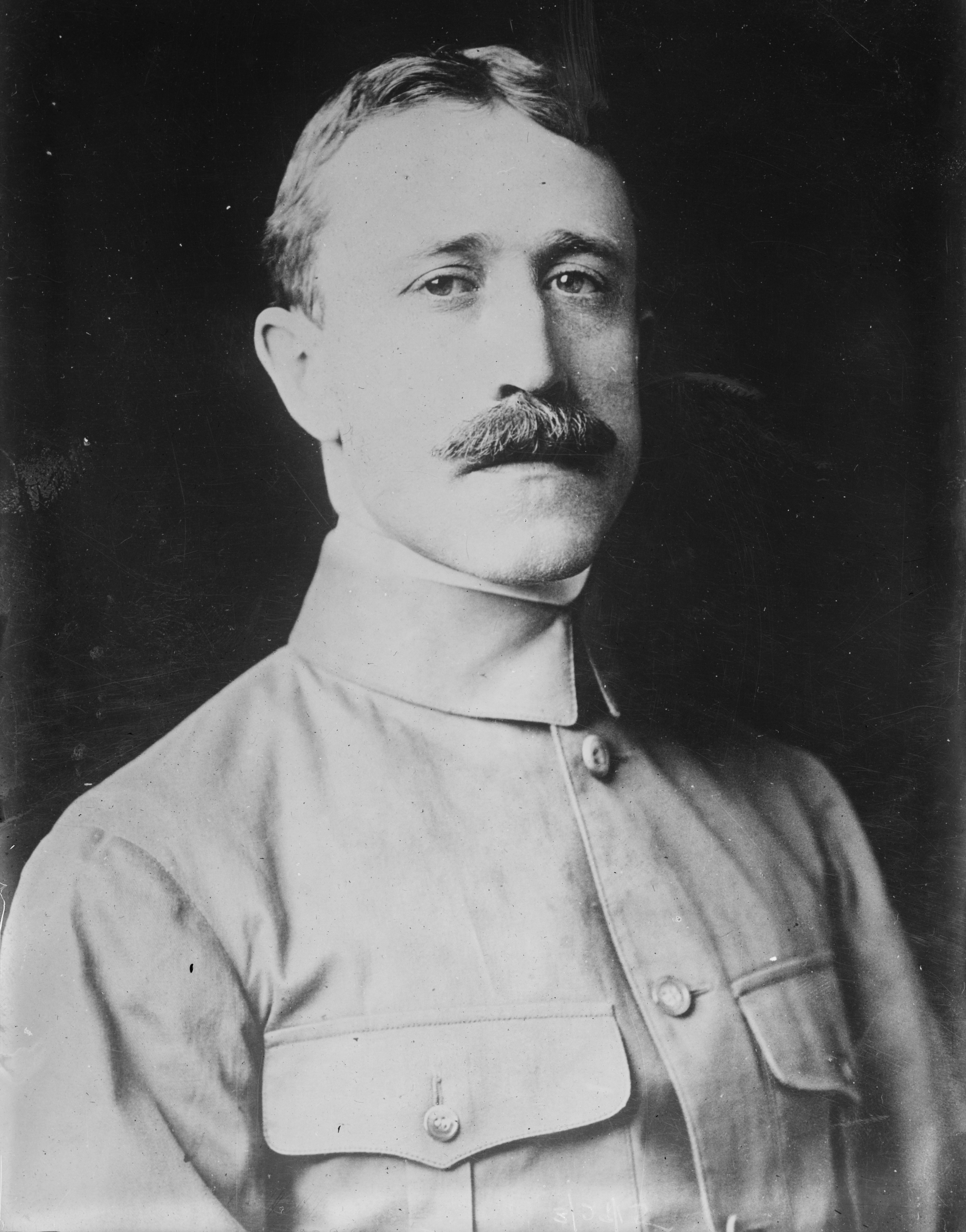
Elmer Ernest Southard was an influential American neuropsychiatrist and neuropathologist, whose work significantly advanced the understanding of mental health in the early 20th century. Born and raised in Boston, he excelled academically at Harvard University, where he also gained recognition as a skilled chess player. After further studies in Germany, Southard returned to the U.S. to serve as a pathologist at Danvers State Hospital. His career flourished as he took on prominent roles at Harvard and became the first director of the Boston Psychopathic Hospital in 1912, where he focused on the effects of shell shock and schizophrenia, areas that were particularly relevant during and after World War I. Southard authored several important texts, including "Shell Shock and Other Neuropsychiatric Problems," which compiled nearly 1,000 case histories and highlighted the complexities of mental health issues. His leadership extended beyond academia; he served as president of both the American Medico-Psychological Association and the Boston Society of Psychiatry and Neurology. A respected mentor, he played a pivotal role in shaping the careers of notable figures in psychiatry, including Karl Menninger and Myrtelle Canavan. Southard's contributions to neuropsychiatry and his advocacy for mental health awareness left a lasting legacy on the field, marking him as a key figure in the evolution of psychiatric practices during his time.
Books from the author






Link to this page
Add a free, dofollow link to Lex on your blog, forum, syllabus, or reading list.

<a href="https://lex-books.com/author/elmer-ernest-southard"><img src="https://lex-books.com/badges/read-on-lex.svg" alt="Elmer Ernest Southard on Lex" width="160" height="40"></a>[](https://lex-books.com/author/elmer-ernest-southard)[url=https://lex-books.com/author/elmer-ernest-southard][img]https://lex-books.com/badges/read-on-lex.svg[/img][/url]Elmer Ernest Southard on Lex: https://lex-books.com/author/elmer-ernest-southard