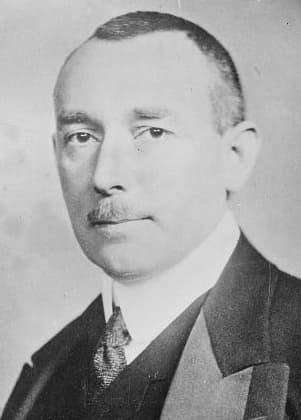
Karl Helfferich
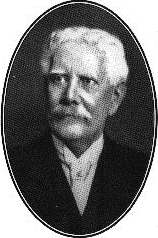
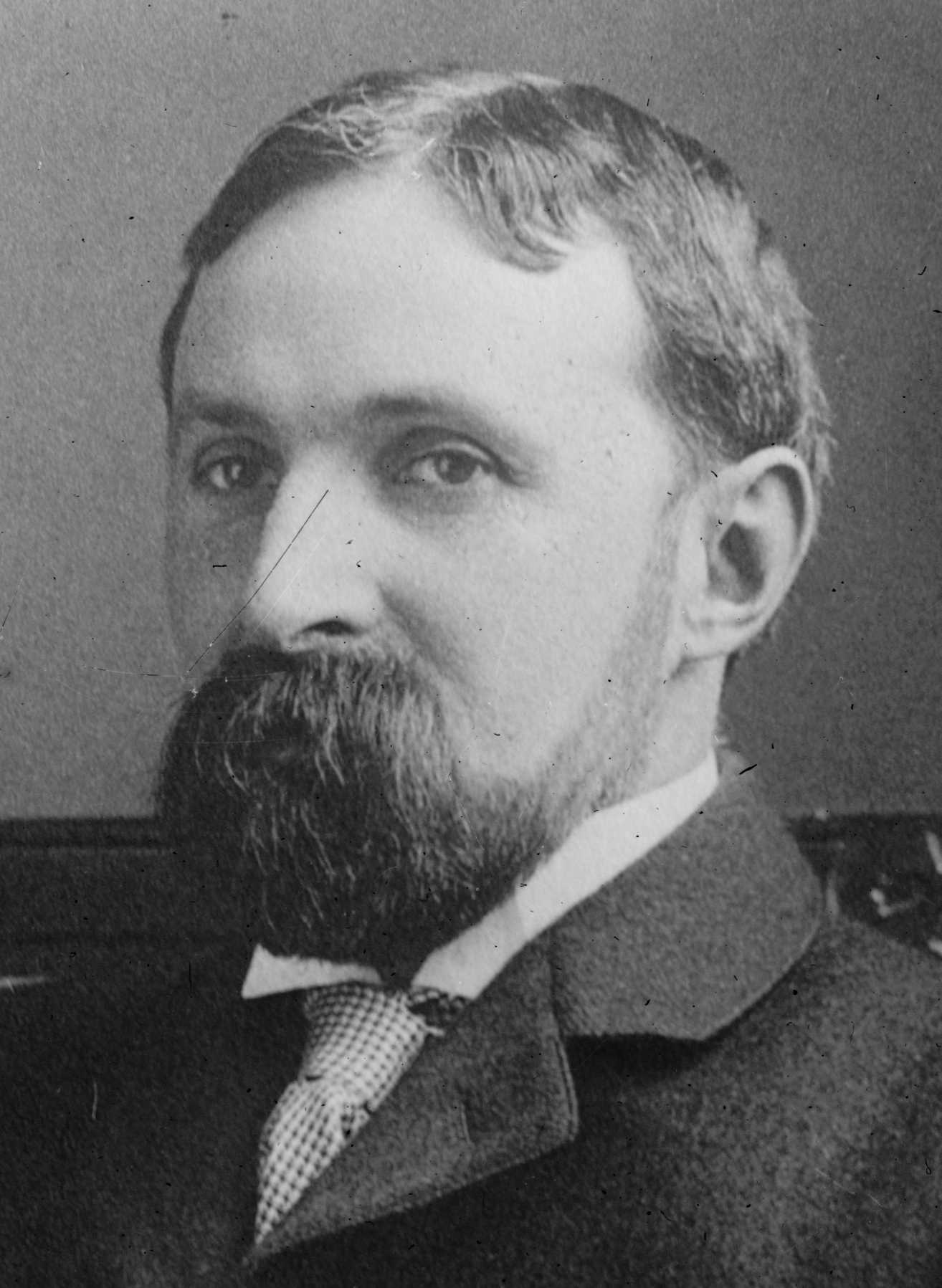
Karl Helfferich was a prominent German politician, economist, and financier known for his influential role in the economic landscape of early 20th-century Germany. Born in Neustadt an der Weinstraße, he pursued a career that intertwined politics and finance, ultimately becoming a significant figure in the Weimar Republic. Helfferich served as the German Minister of Finance from 1920 to 1921, during a tumultuous period marked by economic instability and the aftermath of World War I. His policies and decisions during this time were pivotal in shaping Germany's financial recovery efforts, although they were often met with controversy and opposition. In addition to his political career, Helfferich was an advocate for economic reforms and played a key role in discussions surrounding reparations and the Treaty of Versailles. His writings and speeches reflected his deep understanding of economic theory and practice, making him a respected voice in the field. Despite his contributions, Helfferich's legacy is complex, as his views and policies sparked significant debate and criticism, particularly regarding their impact on the German populace during a time of hardship. His life and work remain a testament to the challenges faced by Germany in the interwar period, highlighting the intricate relationship between economics and politics in shaping national policy.
Books from the author








Link to this page
Add a free, dofollow link to Lex on your blog, forum, syllabus, or reading list.

<a href="https://lex-books.com/author/karl-helfferich"><img src="https://lex-books.com/badges/read-on-lex.svg" alt="Karl Helfferich on Lex" width="160" height="40"></a>[](https://lex-books.com/author/karl-helfferich)[url=https://lex-books.com/author/karl-helfferich][img]https://lex-books.com/badges/read-on-lex.svg[/img][/url]Karl Helfferich on Lex: https://lex-books.com/author/karl-helfferich