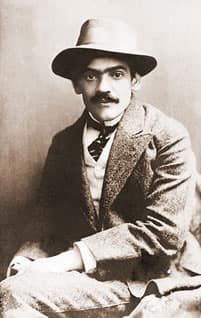
Endre Nagy
Endre Nagy was a Hungarian author known for his contributions to literature during the early 20th century. Born in 1877, he emerged as a significant voice in Hungarian literature, particularly noted for his storytelling and narrative style. His works often reflected the complexities of human experience and the socio-political landscape of his time. Among his notable works are 'Sienai Szent Katalin vőlegénye: Elbeszélések,' a collection of stories that delve into themes of love and devotion, and 'A nagy háboru anekdotakincse,' which presents anecdotes from World War I, showcasing the absurdities and tragedies of war through a lens of dark humor and poignant observation. His novel 'Apostol a Hódságon: Regény' further illustrates his narrative prowess, exploring the lives of individuals against the backdrop of historical events. Nagy's literary significance lies in his ability to capture the essence of Hungarian culture and history while addressing universal themes of conflict, identity, and resilience. His works not only provide insight into the Hungarian experience during a tumultuous era but also contribute to the broader canon of European literature. Endre Nagy's legacy endures through his rich storytelling and the emotional depth of his characters, making him a noteworthy figure in the landscape of early 20th-century literature.
Books from the author


Link to this page
Add a free, dofollow link to Lex on your blog, forum, syllabus, or reading list.

<a href="https://lex-books.com/author/endre-nagy"><img src="https://lex-books.com/badges/read-on-lex.svg" alt="Endre Nagy on Lex" width="160" height="40"></a>[](https://lex-books.com/author/endre-nagy)[url=https://lex-books.com/author/endre-nagy][img]https://lex-books.com/badges/read-on-lex.svg[/img][/url]Endre Nagy on Lex: https://lex-books.com/author/endre-nagy