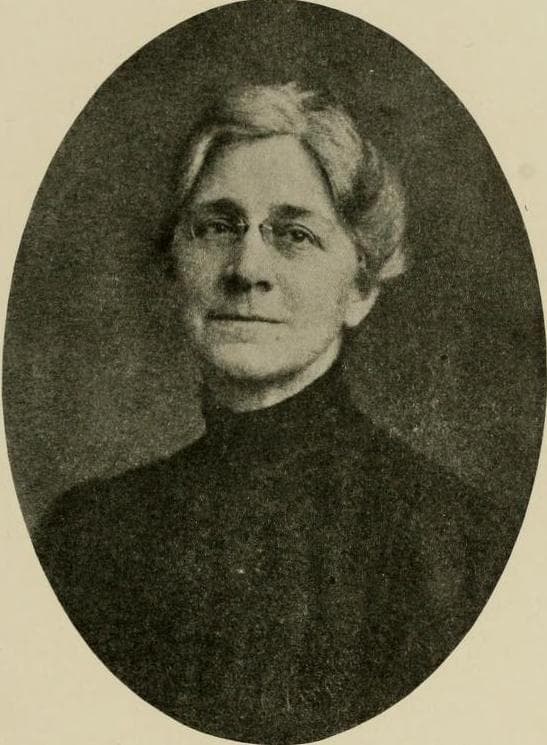
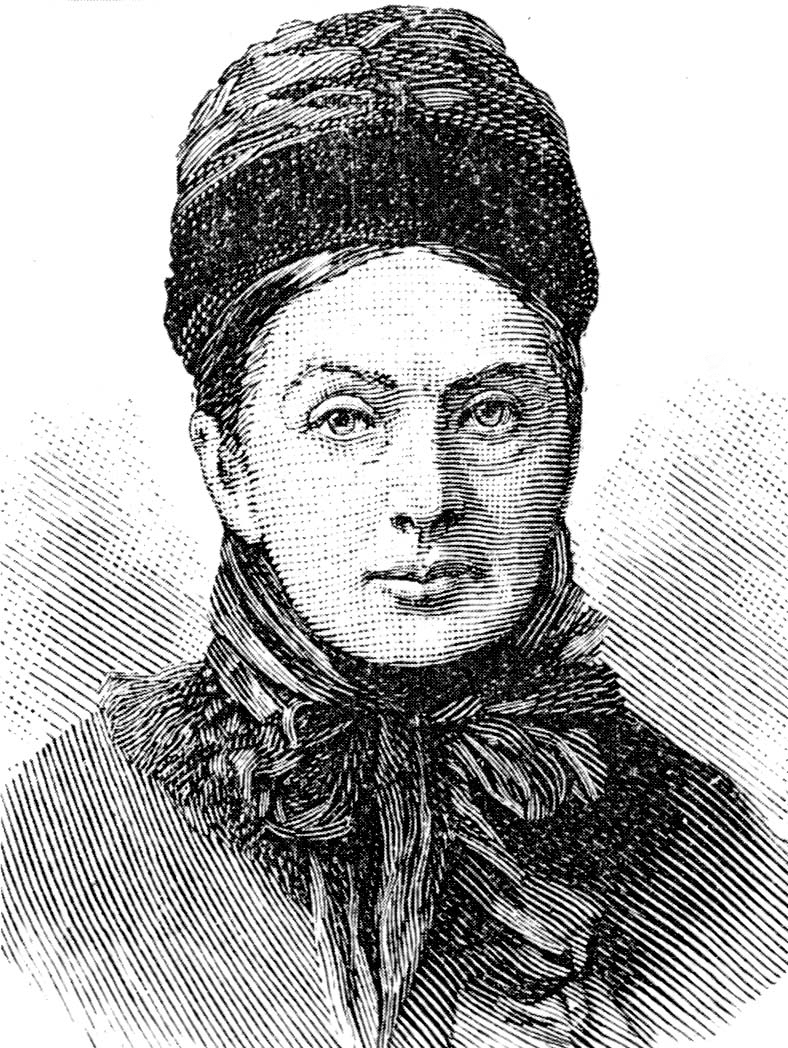
Elizabeth Kimball Kendall
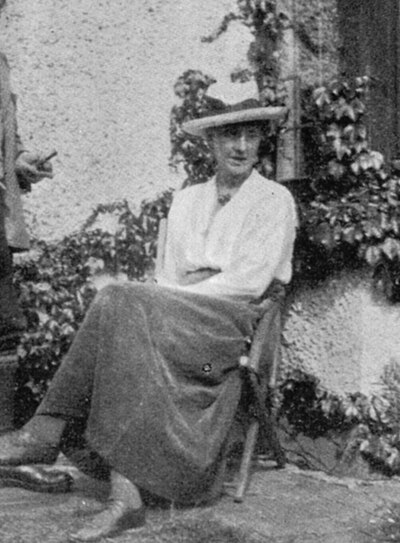
Elizabeth Kimball Kendall was an influential American professor of history and political science, best known for her extensive travels and insightful writings on her experiences. Born in Vermont, she received much of her early education in Europe, where her father served as a United States consul. Her academic journey included studies in Germany, France, and at Oxford University, culminating in a law degree from Boston University and an M.A. from Radcliffe College. In 1879, she joined Wellesley College, where she became a prominent faculty member, eventually rising to the rank of full professor by 1902. Throughout her tenure, she taught various courses and co-authored several works with fellow historian Katharine Coman. Kendall's travels were extensive, with notable journeys to China, Turkey, and India, among others. Her most significant work, "A Wayfarer in China: Impressions of a Trip Across West China and Mongolia," published in 1913, offered a vivid account of her experiences in China and earned her recognition as a Fellow of the Royal Geographical Society. After retiring from Wellesley in 1920, she continued to share her knowledge and experiences by teaching at Yenching University in Beijing. Kendall's contributions to the fields of history and political science, along with her unique perspectives on her travels, left a lasting impact on her students and the academic community, solidifying her legacy as a pioneering educator and traveler.
Famous Quotes
View all 3 quotes“No one who has ever known the joy of hunting impressions of strange peoples and strange lands in the out-of-the-way corners of the world can ever feel quite free again, for he hears always a compelling voice that "calls him night and day" to go forth on the chase once more.”
“It was again raining when we started the next morning; indeed, it seemed a long time since I had felt really dry, but the grey day harmonized perfectly with the soft English beauty of the country”
“But the coming of the railway has brought fresh life to Yunnan, and the prospects for the future economic development are very promising. In the capital there were many signs of a new day. The Reform movement had taken good hold in this remote corner of the empire. A hospital with eight wards and under Chinese control was doing fine work. Schools were flourishing, and there was even a university of sorts.”
Books from the author


Link to this page
Add a free, dofollow link to Lex on your blog, forum, syllabus, or reading list.

<a href="https://lex-books.com/author/elizabeth-kimball-kendall"><img src="https://lex-books.com/badges/read-on-lex.svg" alt="Elizabeth Kimball Kendall on Lex" width="160" height="40"></a>[](https://lex-books.com/author/elizabeth-kimball-kendall)[url=https://lex-books.com/author/elizabeth-kimball-kendall][img]https://lex-books.com/badges/read-on-lex.svg[/img][/url]Elizabeth Kimball Kendall on Lex: https://lex-books.com/author/elizabeth-kimball-kendall