Elizabeth Kent
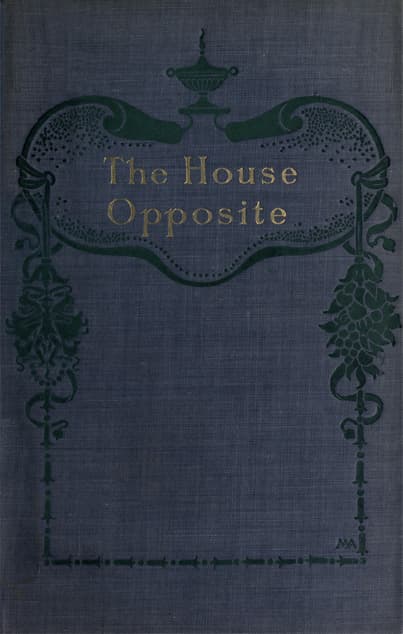
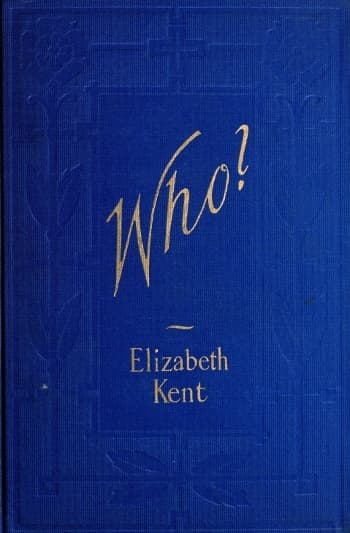
Elizabeth Kent was a British author known for her contributions to the mystery genre in the early 20th century. Her most notable work, 'The House Opposite: A Mystery,' showcases her skill in crafting intricate plots and engaging characters, drawing readers into a world of suspense and intrigue. Kent's writing often reflected the social dynamics of her time, exploring themes of identity and the complexities of human relationships, which resonated with her audience and established her as a significant figure in the literary landscape of her era. In addition to 'The House Opposite,' Kent wrote 'Who?' and other works that further solidified her reputation as a mystery writer. Though not as widely recognized today, her novels contributed to the evolution of the mystery genre, paving the way for future authors. Kent's ability to weave suspense with psychological depth left a lasting impact on her readers, and her works remain a testament to the rich tapestry of early 20th-century literature.
Famous Quotes
View all 4 quotes“How do you commit the perfect crime in science? We’re handicapped from the start because it’s a question we never ask. For more than thirty years, Frank taught me and many others to record our data accurately, compare them with collaborators around the world, discard the outliers, and come to a consensus. We understand there are variations, but if the bulk of the evidence goes in a certain direction, we are confident we have a better understanding of human biological processes. If only that were what happened in the real world. In the real world there are corporations, be they pharmaceutical, agricultural, petroleum, or chemical companies, that have billions of dollars at stake in the work of scientists. If one has billions of dollars, he can use the dark arts of persuasion to hire public relations firms to tout your products, sow the seeds of doubt about those who question your products, buy advertising on news networks so they don’t publicize negative stories unless they have no other choice, and donate to politicians of all ideologies. Then, once those politicians have been elected, they can write laws for the benefit of their generous donors. As it was put so eloquently in the seventeenth century by a prominent member of Queen Elizabeth’s court, “If it prospers, none dare call it treason.””
“The Queen sets the tone. What a wonderful beautiful domino effect that her stance on acceptance will have. As the leader of a society she just boldly conveyed that it's okay to accept people where they are.””
“Socks for Supper by Jack Kent.””
Books from the author

Link to this page
Add a free, dofollow link to Lex on your blog, forum, syllabus, or reading list.

<a href="https://lex-books.com/author/elizabeth-kent"><img src="https://lex-books.com/badges/read-on-lex.svg" alt="Elizabeth Kent on Lex" width="160" height="40"></a>[](https://lex-books.com/author/elizabeth-kent)[url=https://lex-books.com/author/elizabeth-kent][img]https://lex-books.com/badges/read-on-lex.svg[/img][/url]Elizabeth Kent on Lex: https://lex-books.com/author/elizabeth-kent