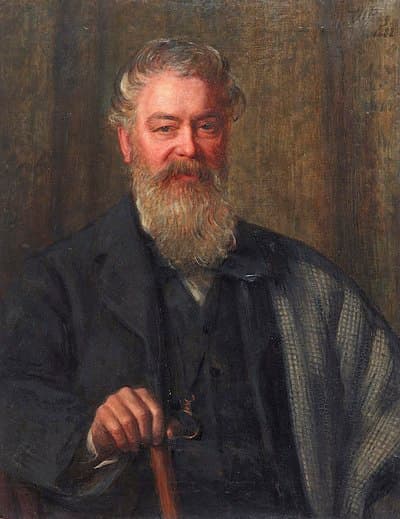
Edwin Waugh
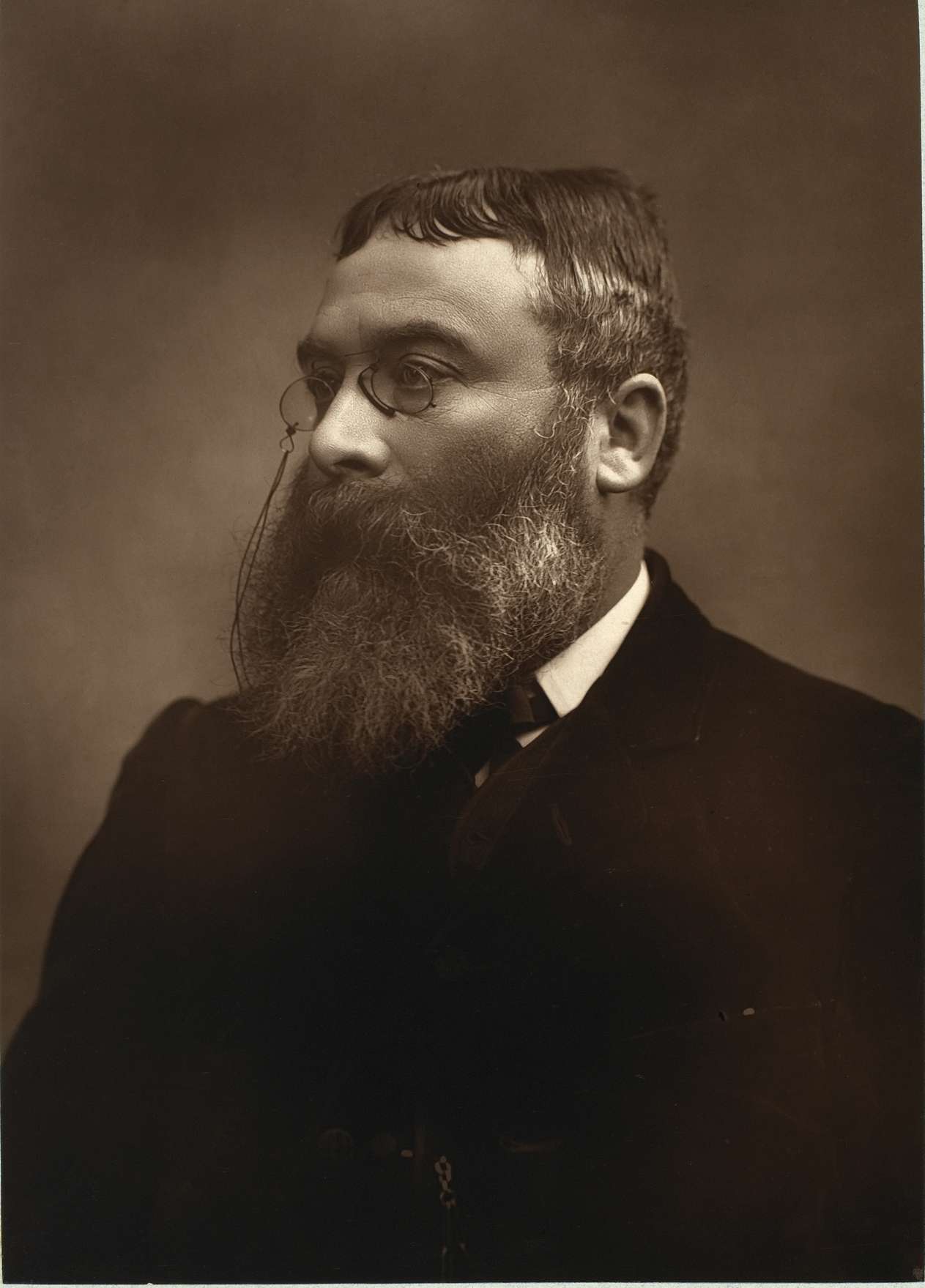
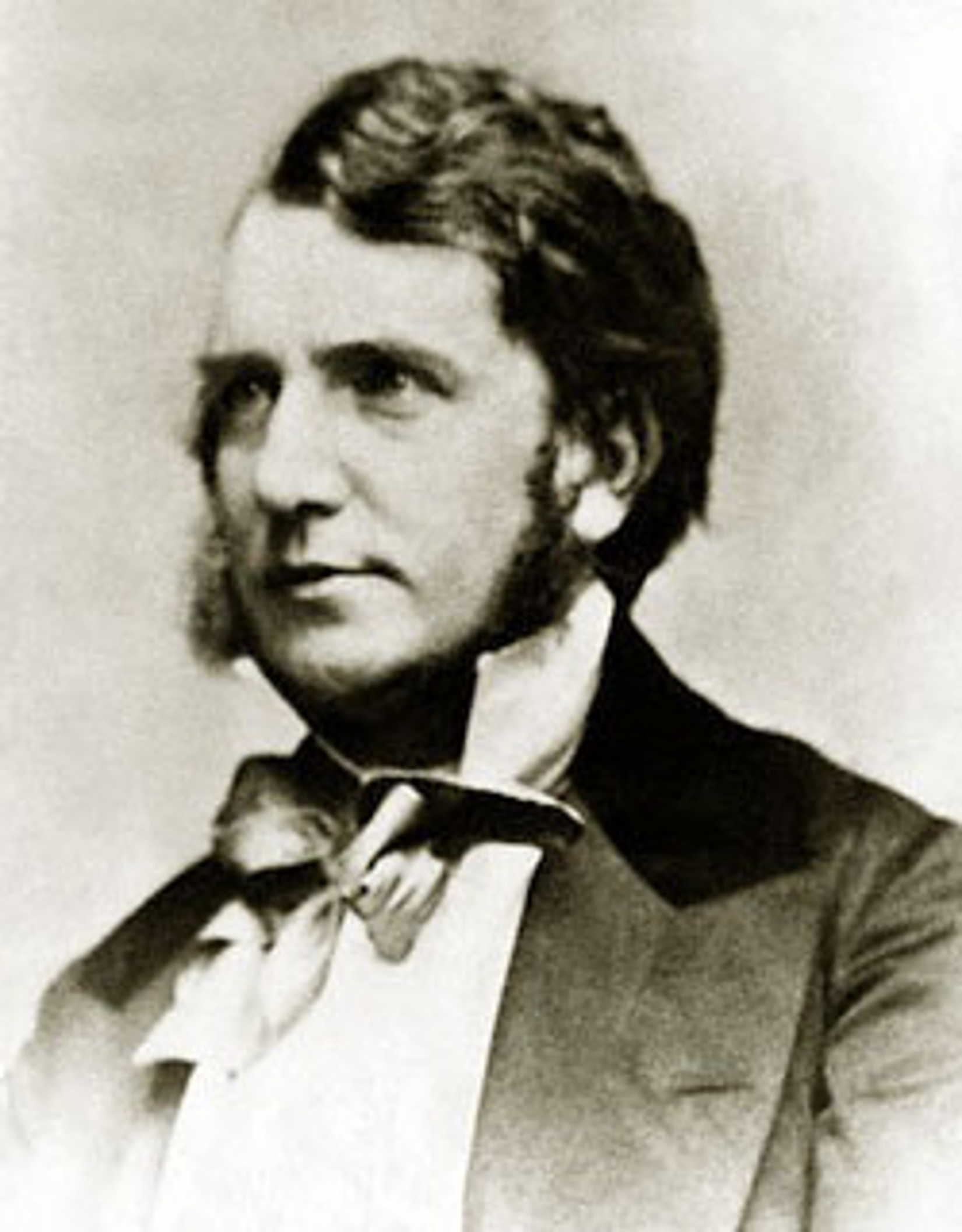
Edwin Waugh was an English poet known for his evocative depictions of rural life and the working-class experience in 19th-century England. Born in the industrial town of Rochdale, Waugh's early life was shaped by the struggles of the working class, which deeply influenced his literary voice. He began his career as a writer in the 1840s, gaining recognition for his poems that celebrated the beauty of the English countryside and the resilience of its people. His notable works include 'The Lancashire Dialect Poems' and 'The Old Village', which showcased his mastery of dialect and his ability to capture the essence of local culture and tradition. Waugh's significance lies not only in his poetic contributions but also in his role as a cultural commentator of his time. He was a prominent figure in the promotion of the Lancashire dialect, helping to elevate regional voices in literature. His work often highlighted social issues, reflecting the hardships faced by the working class during the Industrial Revolution. Waugh's legacy endures as a key figure in the development of regional poetry, and his writings continue to be appreciated for their authenticity and emotional depth.
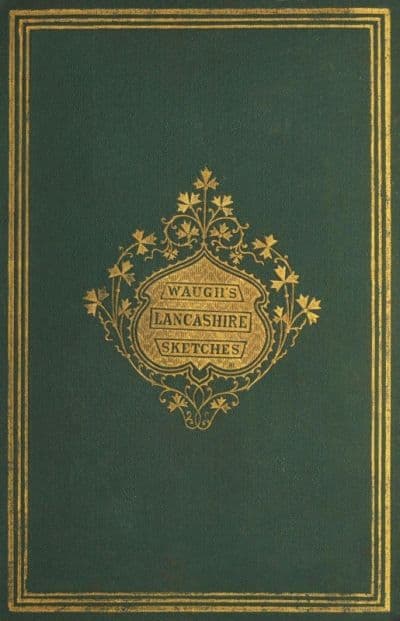
Books from the author

Link to this page
Add a free, dofollow link to Lex on your blog, forum, syllabus, or reading list.

<a href="https://lex-books.com/author/edwin-waugh"><img src="https://lex-books.com/badges/read-on-lex.svg" alt="Edwin Waugh on Lex" width="160" height="40"></a>[](https://lex-books.com/author/edwin-waugh)[url=https://lex-books.com/author/edwin-waugh][img]https://lex-books.com/badges/read-on-lex.svg[/img][/url]Edwin Waugh on Lex: https://lex-books.com/author/edwin-waugh