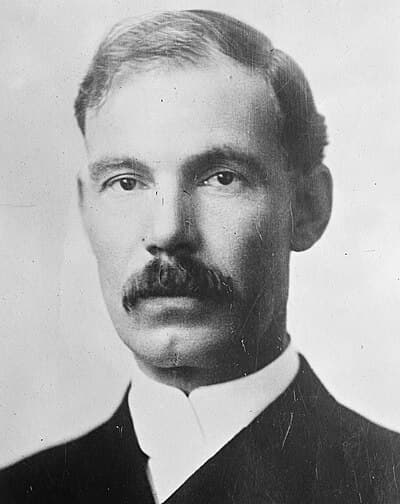
Edward Alsworth Ross
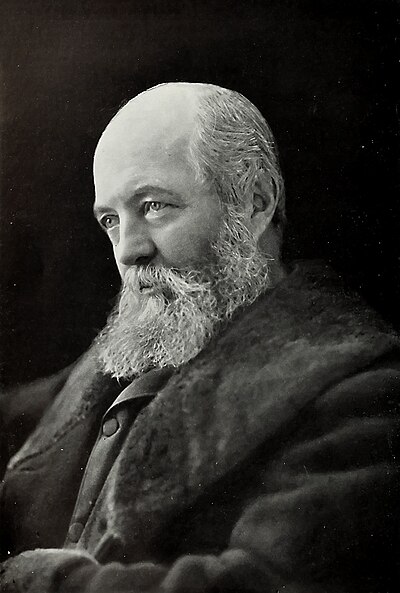
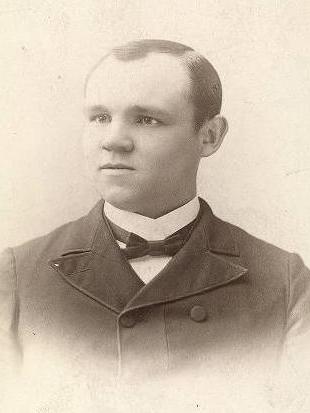
Edward Alsworth Ross was an influential American sociologist and professor whose work significantly shaped the field of sociology in the early 20th century. He played a pivotal role in founding the American Sociological Association and its journal, the American Journal of Sociology, which became crucial platforms for sociological discourse. Ross's interests spanned various areas, including eugenics and criminology, reflecting the complexities of social thought during his time. His early alignment with the American Progressive Movement underscored his commitment to social reform, particularly concerning the rights of white workers and the working class. However, Ross's legacy is marred by his controversial views on race and immigration. He became known for his vocal opposition to the rights of Asian immigrants in California, advocating against their immigration to the United States. This aspect of his work has led to a lasting reputation as a racist and eugenicist, complicating his contributions to sociology. Despite his significant influence on the discipline, Ross's views serve as a reminder of the problematic intersections between social science and prevailing societal prejudices of his era.
Famous Quotes
View all 1 quotes“There may come a time in the career of every sociologist when it is his solemn duty to raise hell.”
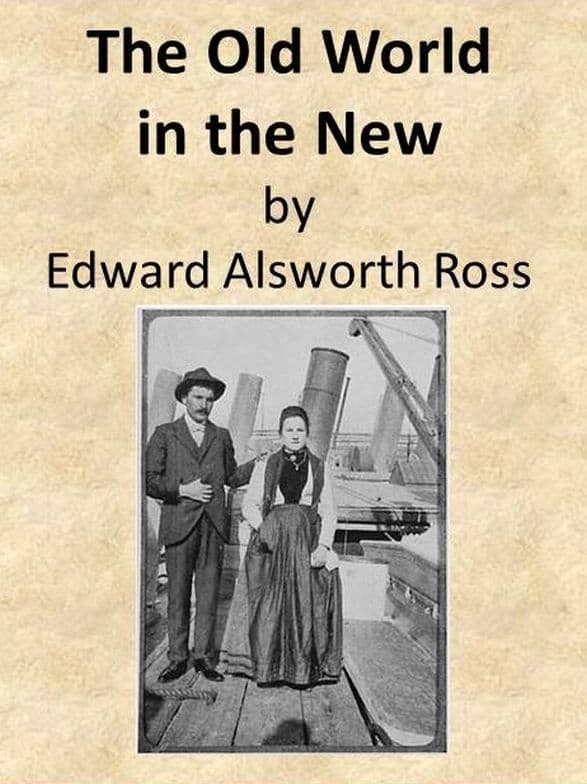
Books from the author





Link to this page
Add a free, dofollow link to Lex on your blog, forum, syllabus, or reading list.

<a href="https://lex-books.com/author/edward-alsworth-ross"><img src="https://lex-books.com/badges/read-on-lex.svg" alt="Edward Alsworth Ross on Lex" width="160" height="40"></a>[](https://lex-books.com/author/edward-alsworth-ross)[url=https://lex-books.com/author/edward-alsworth-ross][img]https://lex-books.com/badges/read-on-lex.svg[/img][/url]Edward Alsworth Ross on Lex: https://lex-books.com/author/edward-alsworth-ross