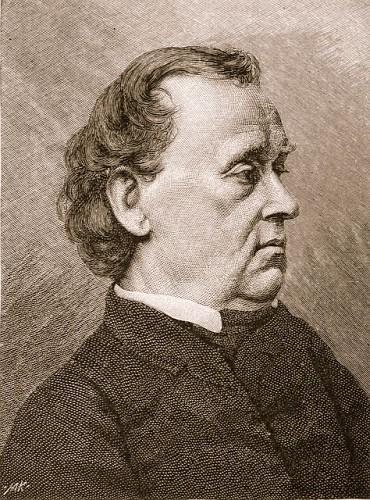
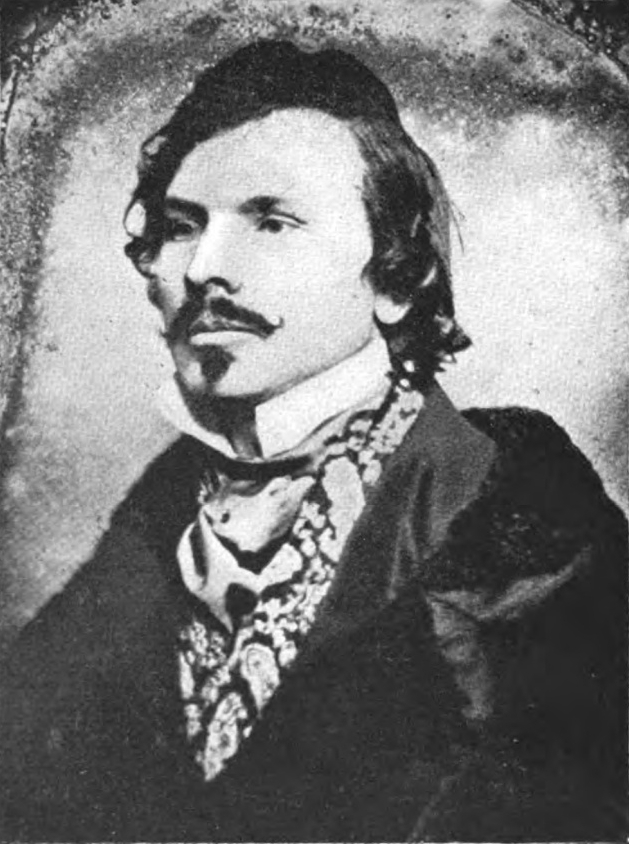
Eduard Mörike
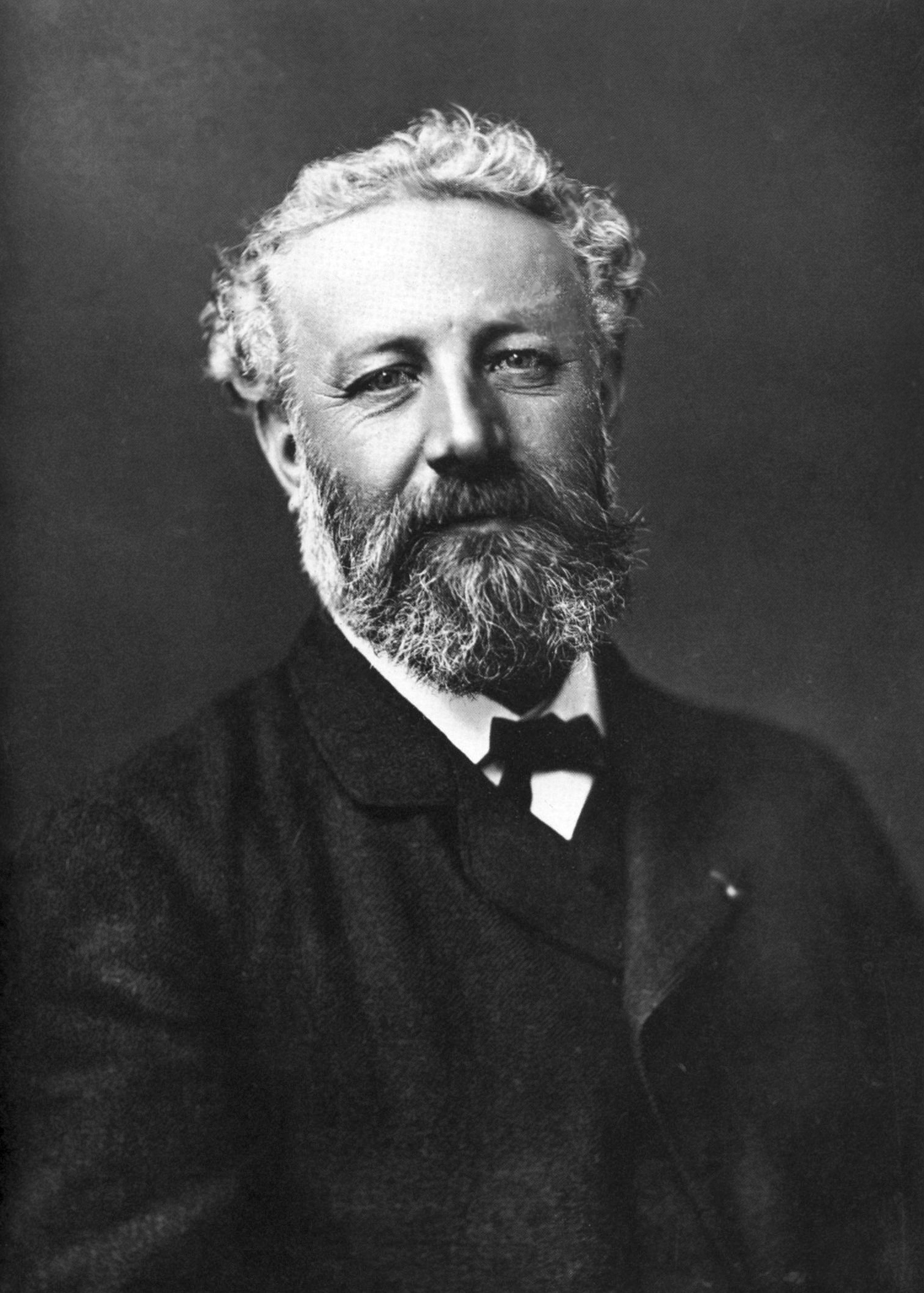
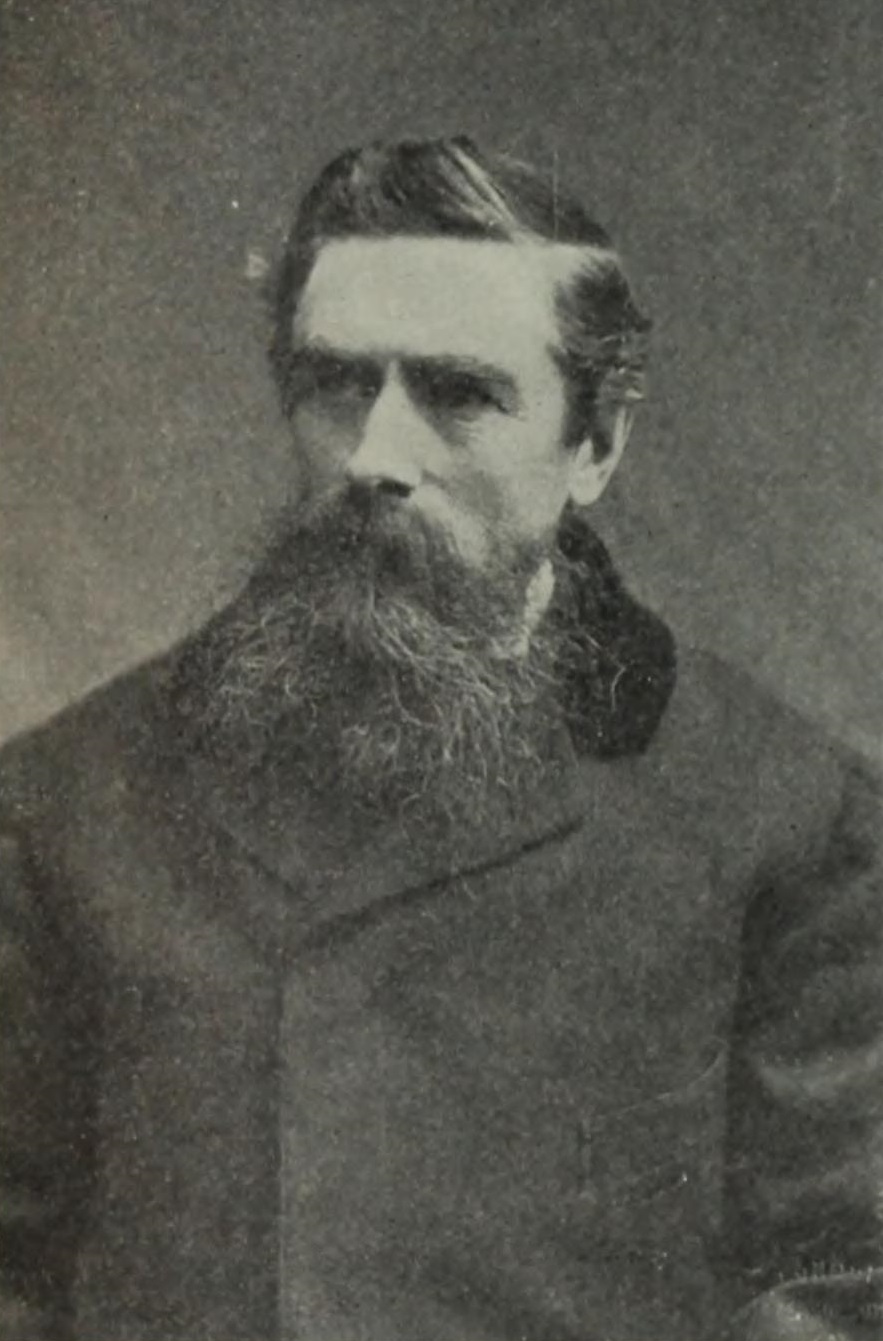
Eduard Mörike was a prominent German poet and novelist, celebrated for his lyrical poetry and contributions to the literary movement of Romanticism. Born in a small town in Württemberg, Mörike initially pursued a career in theology but soon turned to literature, influenced by the natural beauty of his surroundings and the complexities of human emotion. His most notable works include the poetry collection 'Lieder' and the novella 'Malte Laurids Brigge,' which showcase his mastery of language and deep understanding of the human experience. Mörike's poetry often reflects themes of nature, love, and the passage of time, characterized by a delicate and melodic style that resonates with readers even today. Mörike's literary significance extends beyond his own works; he was part of a vibrant literary community that included figures such as Friedrich Hölderlin and the Schlegel brothers. His influence can be seen in the works of later poets and writers who embraced the Romantic ideals of emotion and individualism. Mörike's legacy is marked by his ability to capture the essence of the human spirit through his vivid imagery and poignant reflections, securing his place as a key figure in 19th-century German literature. His works continue to be studied and appreciated for their artistic beauty and emotional depth, making him a lasting figure in the canon of German poetry.
Famous Quotes
View all 1 quotes“Man muss immer etwas haben, worauf man sich freut.””
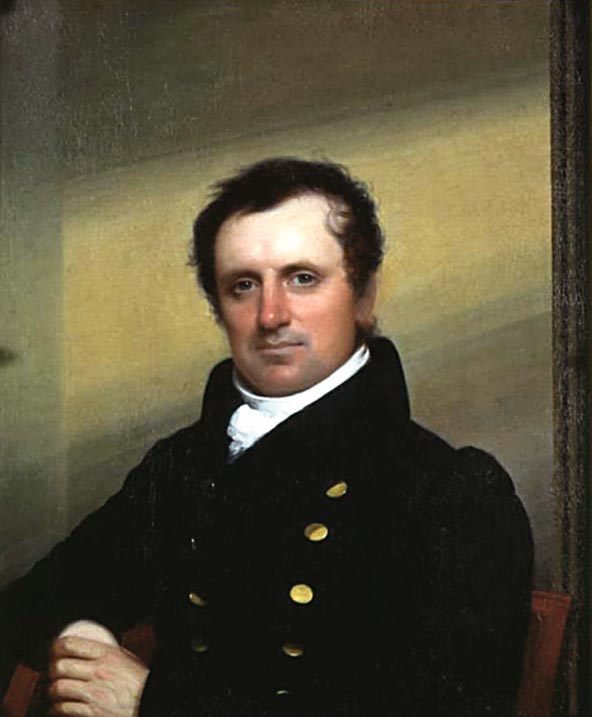
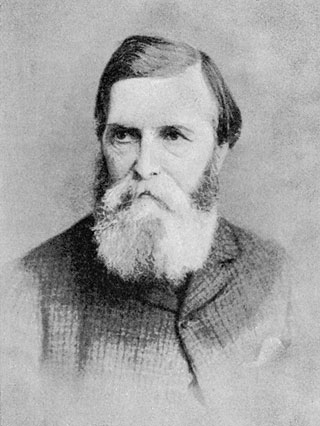
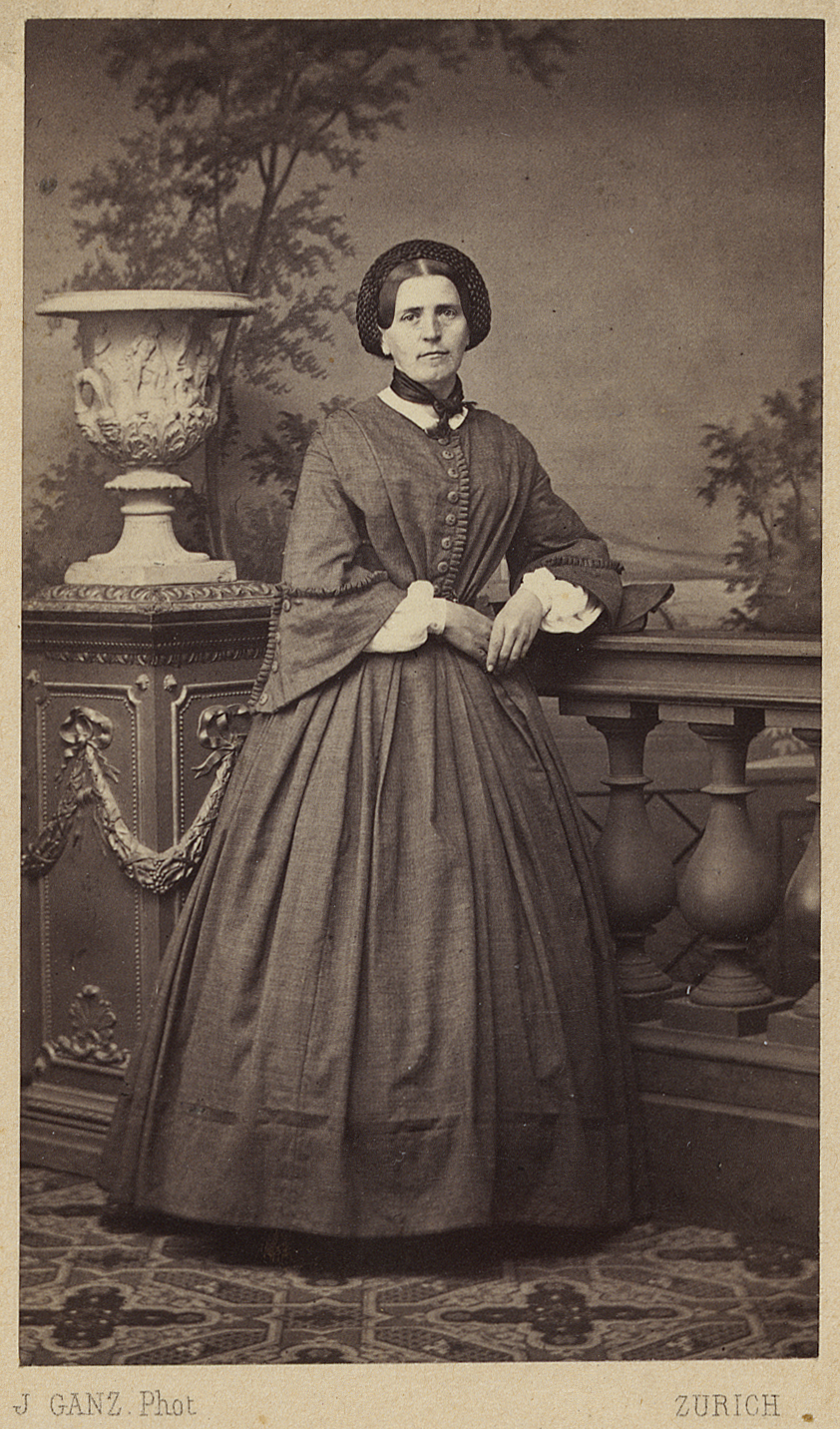
Books from the author




Link to this page
Add a free, dofollow link to Lex on your blog, forum, syllabus, or reading list.

<a href="https://lex-books.com/author/eduard-mörike"><img src="https://lex-books.com/badges/read-on-lex.svg" alt="Eduard Mörike on Lex" width="160" height="40"></a>[](https://lex-books.com/author/eduard-mörike)[url=https://lex-books.com/author/eduard-mörike][img]https://lex-books.com/badges/read-on-lex.svg[/img][/url]Eduard Mörike on Lex: https://lex-books.com/author/eduard-mörike