
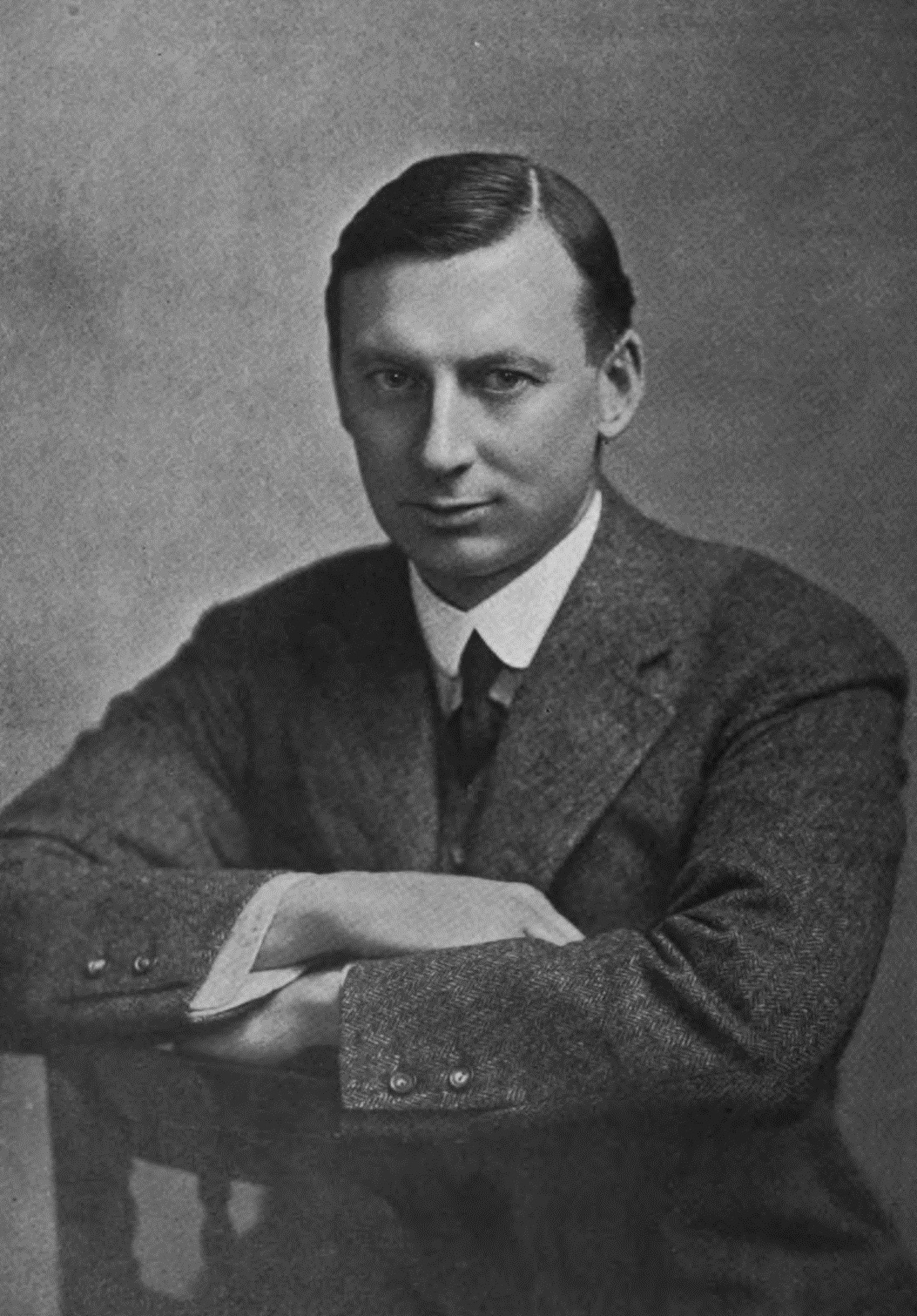
Edmund Vance Cooke
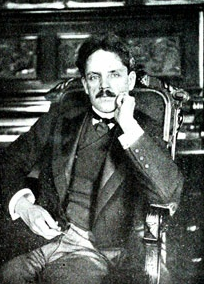
Edmund Vance Cooke was a Canadian poet whose work spanned the late 19th and early 20th centuries, leaving a lasting impact on inspirational poetry. Born in Port Dover, Canada West, he became widely known for his poignant verse, particularly the poem "How Did You Die?" which resonated with audiences for its profound exploration of mortality and legacy. Cooke's literary career flourished as he embraced new media, notably reading his poems on the radio at WWJ in Detroit, which helped to broaden his reach and influence during a time when poetry was often confined to print. In addition to his writing, Cooke's poetry was notable for being set to music by various composers, including Nellie Bangs Skelton and Kate Vanderpoel, further cementing his place in the cultural landscape of his time. His legacy endures through his ability to inspire and provoke thought, making him a significant figure in the realm of inspirational literature. Cooke passed away in Cleveland, Ohio, but his work continues to be celebrated for its emotional depth and reflective quality.
Famous Quotes
View all 3 quotes“Did you tackle that trouble that came your way With a resolute heart and cheerful? Or hide your face from the light of day With a craven soul and fearful? Oh, a trouble's a ton, or a trouble's an ounce, Or a trouble is what you make it. And it isn't the fact that you're hurt that counts, But only how did you take it? (Excerpt from "How Did You Die?")”
“How Did You Die? Did you tackle that trouble that came your way With a resolute heart and cheerful? Or hide your face from the light of day With a craven soul and fearful? Oh, a trouble's a ton, or a trouble's an ounce, Or a trouble is what you make it. And it isn't the fact that you're hurt that counts, But only how did you take it? You are beaten to earth? Well, well what's that? Come up with a smiling face. It's nothing against you to fall down flat, But to lie there - that's disgrace. The harder you're thrown, why the higher you bounce; Be proud of your blackened eye! It isn't the fact that you're licked that counts; It's how did you fight and why? And though you be done to death, what then? If you battled the best you could; If you played your part in the world of men, Why the critic will call it good. Death comes with a crawl, or comes with a pounce, And whether he's slow or spry, It isn't the fact that you're dead that counts, But only, how did you die?”
“It's nothing against you to fall down flat, but to lie there - that's disgrace.”
Books from the author




Link to this page
Add a free, dofollow link to Lex on your blog, forum, syllabus, or reading list.

<a href="https://lex-books.com/author/edmund-vance-cooke"><img src="https://lex-books.com/badges/read-on-lex.svg" alt="Edmund Vance Cooke on Lex" width="160" height="40"></a>[](https://lex-books.com/author/edmund-vance-cooke)[url=https://lex-books.com/author/edmund-vance-cooke][img]https://lex-books.com/badges/read-on-lex.svg[/img][/url]Edmund Vance Cooke on Lex: https://lex-books.com/author/edmund-vance-cooke