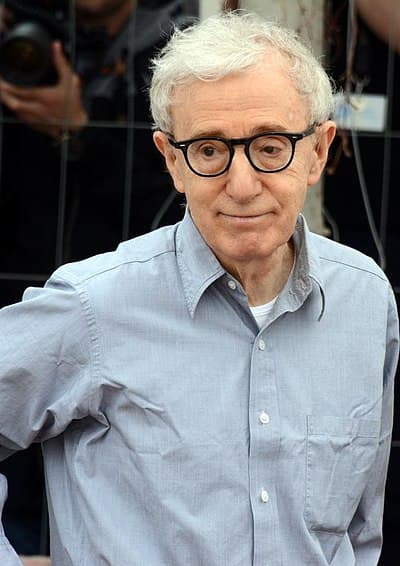
E. P. S. Allen
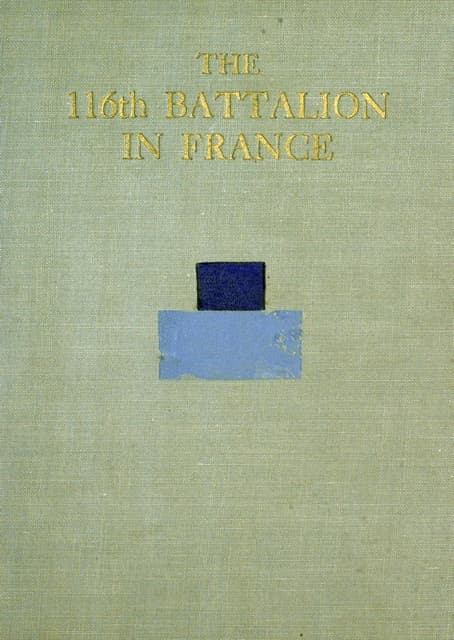
E. P. S. Allen was a British author and military historian best known for his detailed accounts of World War I, particularly through his work, "The 116th Battalion in France." This book provides a vivid narrative of the experiences of soldiers in the 116th Battalion, capturing the harrowing realities of trench warfare and the camaraderie among troops. Allen's writing is characterized by its meticulous attention to detail and a deep understanding of the psychological impacts of war on soldiers, making his work a significant contribution to military literature. In addition to his notable work on the 116th Battalion, Allen's writings reflect a broader interest in the social and historical contexts of the Great War. His ability to convey the personal stories of those who served has helped preserve the memory of their sacrifices and experiences. Through his historical narratives, Allen not only documented the events of the war but also contributed to the understanding of its lasting effects on society. His legacy endures in the realm of military history, where his works continue to be referenced for their authenticity and insight into the human condition during one of history's most tumultuous periods.
Famous Quotes
View all 2 quotes“After years of fighting, the war was a complete stalemate and would have ended almost immediately in a negotiated settlement (as had most other European conflicts) had not the U.S. declared war on Germany. As soon as Wilson's re-election had been engineered through the "he kept us out of war" slogan, a complete reversal of propaganda was instituted. In those days before radio and television, public opinion was controlled almost exclusively by newspapers. Many of the major newspapers were controlled by the Federal Reserve crowd. Now they began beating the drums over the "inevitability of war." Arthur Ponsonby, a memebr of the British parliament, admitted in his book Falsehood In War Time (E. P. Dutton & Co., Inc., New York, 1928): "There must have been more deliberate lying in the world from 1914 to 1918 than in any other period of the world's history." Propaganda concerning the war was heavily one-sided. Although after the war many historians admitted that one side was as guilty as the other in starting the war, Germany was pictured as a militaristic monster which wanted to rule the world. Remember, this picture was painted by Britain which had its soldiers in more countries around the world than all other nations put together. So-called "Prussian militarism" did exist, but it was no threat to conquer the world. Meanwhile, the sun never set on the British Empire! Actually, the Germans were proving to be tough business competitors in the world's markets and the British did not approve.””
“But October 7, 2016, was no normal day. It was the most unusual, portentous day of an incomprehensibly wild presidential election. At 4:32 p.m., WikiLeaks, the online purveyor of hacked and stolen government documents, published the first batch in a series of e-mails pilfered from Podesta’s Gmail account. WikiLeaks announced the release in a tweet that was quickly and widely picked up by major media outlets. Bang-bang-bang: Three blockbusters, any one of which could alter the course of the campaign, pushed out in two hours.””
Books from the author




Link to this page
Add a free, dofollow link to Lex on your blog, forum, syllabus, or reading list.

<a href="https://lex-books.com/author/e-p-s-allen"><img src="https://lex-books.com/badges/read-on-lex.svg" alt="E. P. S. Allen on Lex" width="160" height="40"></a>[](https://lex-books.com/author/e-p-s-allen)[url=https://lex-books.com/author/e-p-s-allen][img]https://lex-books.com/badges/read-on-lex.svg[/img][/url]E. P. S. Allen on Lex: https://lex-books.com/author/e-p-s-allen