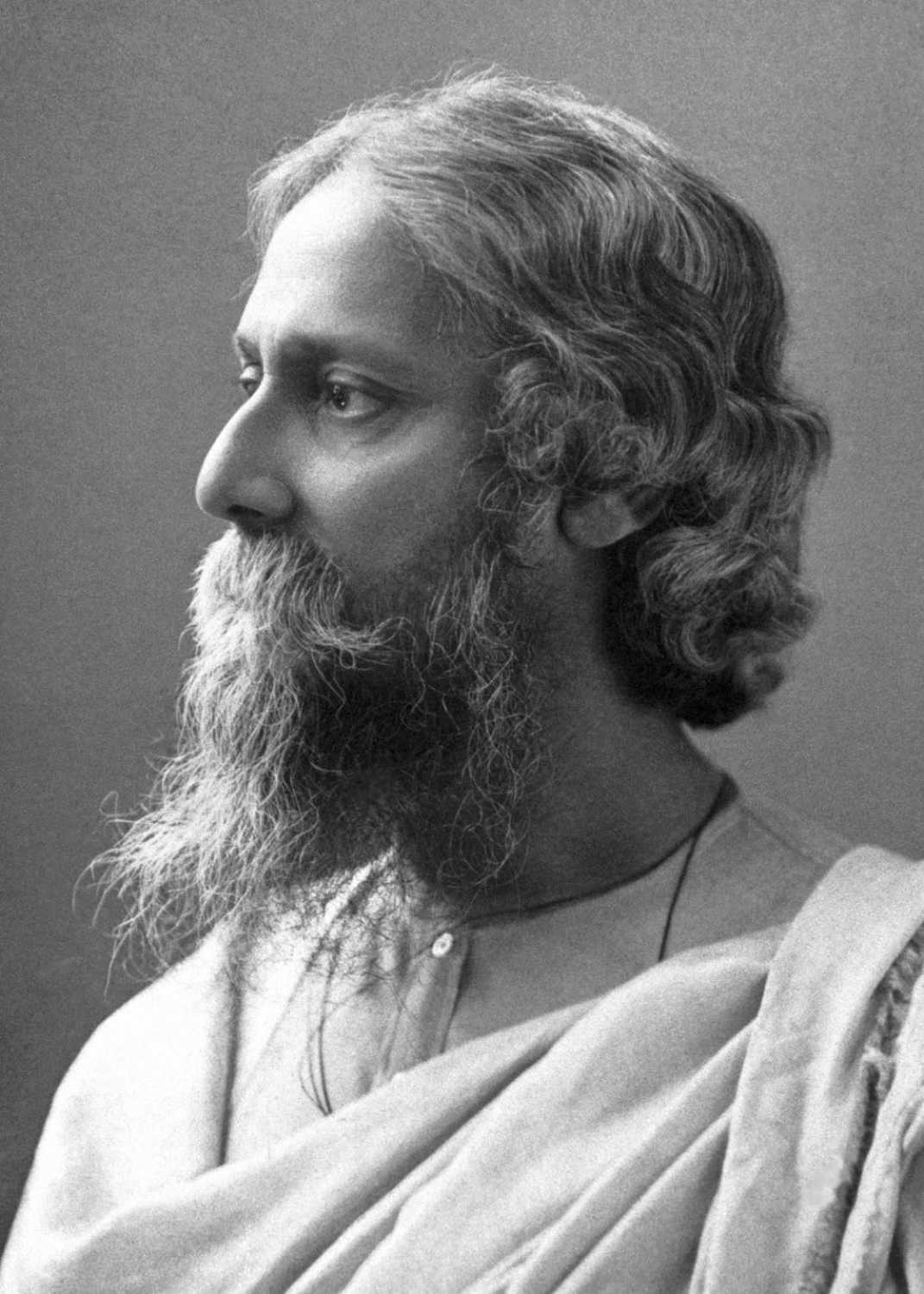
E Liu
E Liu was a prominent Chinese novelist and playwright during the late Qing dynasty, known for his keen observations of society and culture. His most notable work, "老殘遊記" (The Travels of Lao Can), is a satirical novel that critiques the social and political issues of his time through the adventures of its protagonist, Lao Can. This work is significant for its blend of realism and humor, offering a vivid portrayal of the struggles faced by individuals in a rapidly changing society. Liu's writing often reflected the tensions between tradition and modernity, making his contributions particularly relevant in the context of China's transition into the 20th century. In addition to "老殘遊記," Liu also authored a sequel, "老殘遊記續集," which continued the narrative and themes established in the original. His works are characterized by their rich character development and incisive social commentary, positioning him as a key figure in modern Chinese literature. E Liu's legacy endures as a voice of critique and reflection on the complexities of his era, influencing subsequent generations of writers and thinkers in China.
Famous Quotes
View all 5 quotes“A newly formed planet appeared on the large screen. its surface was till red-hot, like a piece of charcoal fresh out of the furnace. Time passed at the rate of geological eras, and the planet gradually cooled. The color and patterns on the surface slowly shifted in a hypnotic manner. A few minutes later, an orange planet appeared on the screen, indicating the end of the simulation run."The computations were done at the coarsest level; to do it with more precision would require over a month." Green Glasses moved the mouse and zoomed in on the surface of the planet. The view swept over a broad desert, over a cluster of strangely shaped, towering mountain peaks, over a circular depression like an impact crater."What are we looking at?" Yang Dong asked."Earth. Without life, this is what the surface of the planet would look like now.""But . . . where are the oceans?""There are no oceans. No rivers either. The entire surface is dry.""Your'e saying that without life, liquid water would not exist on Earth?""The reality would probably be even more shocking. Remember, this is only a coarse simulation, but at least you can see how much of an impact life had in the present state of the Earth.""But--""Do you think life is nothing but a fragile, thin, soft shell clinging to the surface of this planet?""Isn't it?""Only if you neglect the power of time. If a colony of ants continue to move clods the size of grains of rice, they could remove all of Mount Tai in a billion years. As long as you give it enough time, life is stronger than metal and stone, more powerful than typhoons and volcanoes.””
“A teia poderia ser destruída dez mil vezes: dez mil vezes seria reconstruída pela aranha. Não havia irritação, nem desespero, nem alegria, e nunca houve por um bilhão de anos.””
“Hemşireyle arasında tuhaf bir bağ varmış gibi hissetti: Sonuçta bu dünyada yanında bulunacak son kişi oydu. Tianming yirmi dokuz yıl önce doğduğunda onu doğuranın kim olduğunu biliyor olmayı diledi. Doğumdaki doktor ve buradaki hemşire, hayatı boyunca Tianming'e içtenlikle yardım etmeye çalışan sınırlı sayıda insandan ikisiydi. Onlara teşekkür etmek istiyordu."Teşekkür ederim."Hemşire gülümsedi ve yanından ayrıldı, adımları bir kedi kadar sessizdi.””
Books from the author