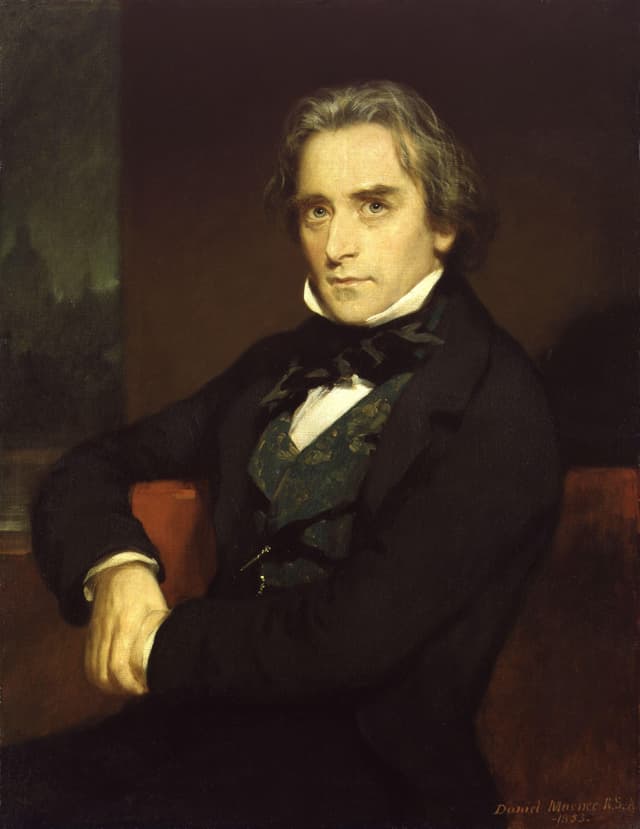
Douglas William Jerrold
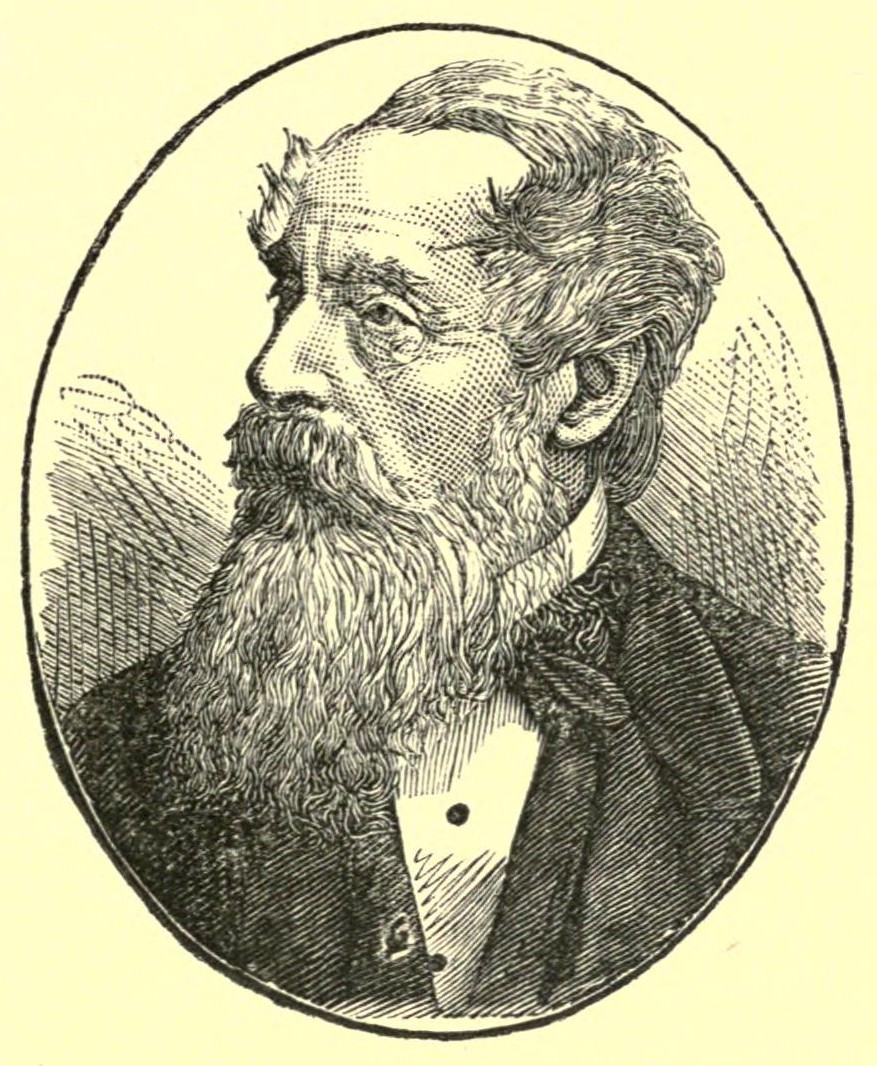
Douglas William Jerrold was an influential English dramatist and writer known for his sharp wit and keen social commentary. Born in 1803, he began his career in the theater, quickly gaining recognition for his plays, most notably 'Black-Eyed Susan,' which premiered in 1829 and became a staple of the English stage. Jerrold's works often reflected the struggles of the working class and critiqued the social injustices of his time, making him a significant figure in the Victorian literary landscape. His ability to blend humor with serious themes set him apart from his contemporaries and established him as a prominent voice in the realm of social drama. In addition to his theatrical contributions, Jerrold was a prolific writer of essays and articles, contributing to various periodicals and newspapers. His sharp observations and satirical style resonated with readers, further solidifying his reputation as a leading literary figure. Jerrold's legacy is marked by his innovative approach to drama and his commitment to addressing social issues, influencing later generations of playwrights and writers. His works continue to be studied for their historical significance and their exploration of the human condition.
Famous Quotes
View all 3 quotes“A blessed companion is a book--a book that, fitly chosen, is a lifelong friend...a book that, at a touch, pours its heart into your own.”
“Happiness grows at our own firesides, and is not to be picked in strangers' gardens.”
“Nothing can be truer than fairy wisdom. It is as true as sunbeams.”
Books from the author



Link to this page
Add a free, dofollow link to Lex on your blog, forum, syllabus, or reading list.

<a href="https://lex-books.com/author/douglas-william-jerrold"><img src="https://lex-books.com/badges/read-on-lex.svg" alt="Douglas William Jerrold on Lex" width="160" height="40"></a>[](https://lex-books.com/author/douglas-william-jerrold)[url=https://lex-books.com/author/douglas-william-jerrold][img]https://lex-books.com/badges/read-on-lex.svg[/img][/url]Douglas William Jerrold on Lex: https://lex-books.com/author/douglas-william-jerrold