
Douglas Houghton Campbell
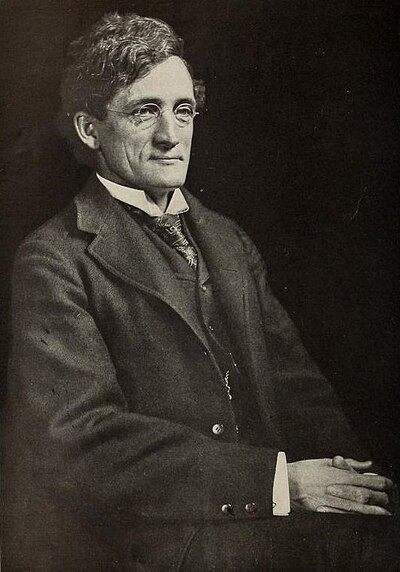
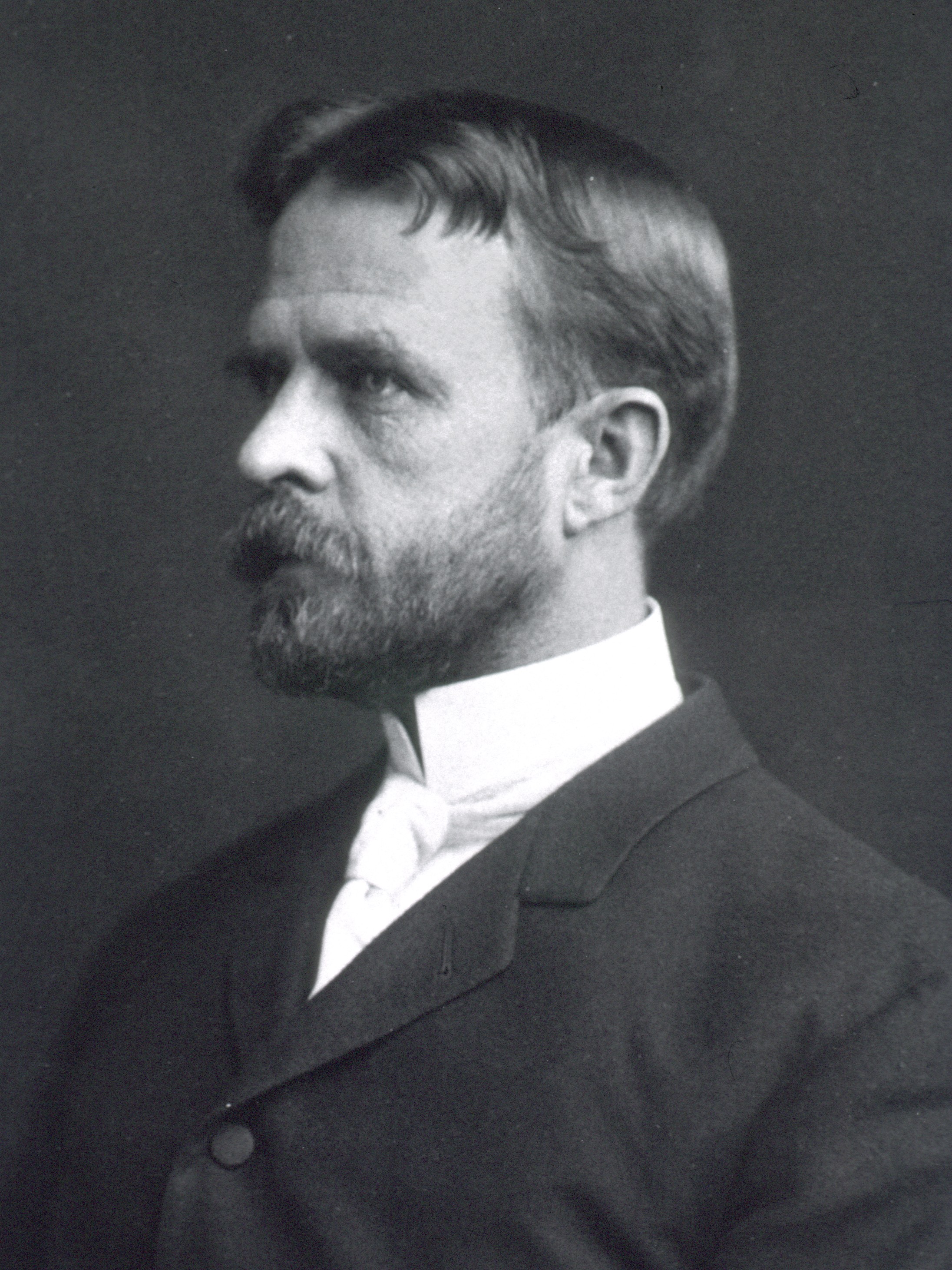
Douglas Houghton Campbell was a prominent American botanist and a founding professor at Stanford University, where he significantly advanced the field of botany. Born in Detroit, Michigan, he pursued his education at the University of Michigan, earning his master's degree in 1882 and completing his PhD in 1886. His early work focused on cryptogrammic ferns, and he became known for his innovative microscopy techniques, including the embedding of plant material in paraffin to create fine cross-sections. This method, which he was among the first to apply to plant specimens, revolutionized the study of plant morphology and laid the groundwork for future botanical research. In 1891, Campbell became the founding head of the botany department at Stanford University, where he remained until his retirement in 1925. His influential works, such as "The Structure and Development of Mosses and Ferns" and "Lectures on the Evolution of Plants," established him as a leading authority in his field. His textbook, "University Textbook of Botany," further solidified his impact on botanical education. Campbell's extensive travels through the Pacific, documented in his work "Outline of Plant Geography," contributed to the understanding of plant distribution and diversity. His death marked the end of an era for plant morphologists, leaving a lasting legacy in the field of botany.
Books from the author






Link to this page
Add a free, dofollow link to Lex on your blog, forum, syllabus, or reading list.

<a href="https://lex-books.com/author/douglas-houghton-campbell"><img src="https://lex-books.com/badges/read-on-lex.svg" alt="Douglas Houghton Campbell on Lex" width="160" height="40"></a>[](https://lex-books.com/author/douglas-houghton-campbell)[url=https://lex-books.com/author/douglas-houghton-campbell][img]https://lex-books.com/badges/read-on-lex.svg[/img][/url]Douglas Houghton Campbell on Lex: https://lex-books.com/author/douglas-houghton-campbell