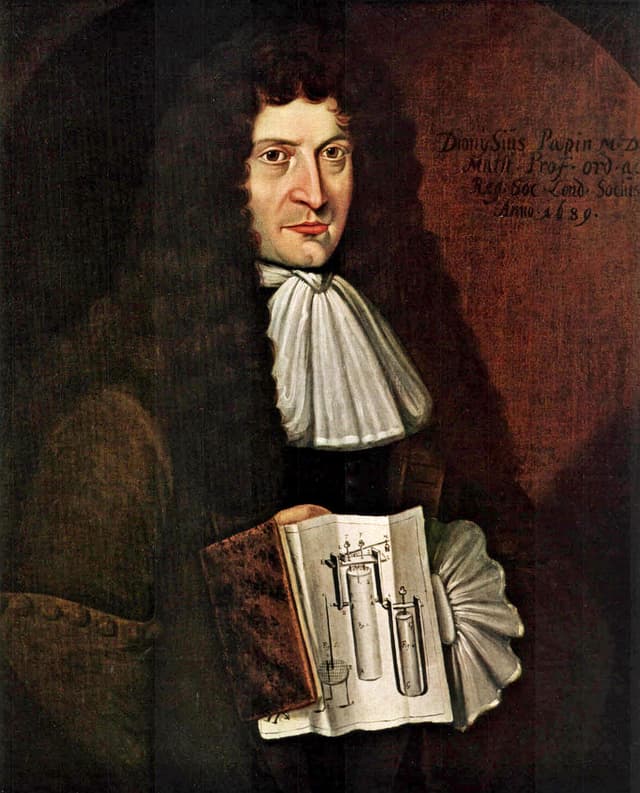
Denis Papin
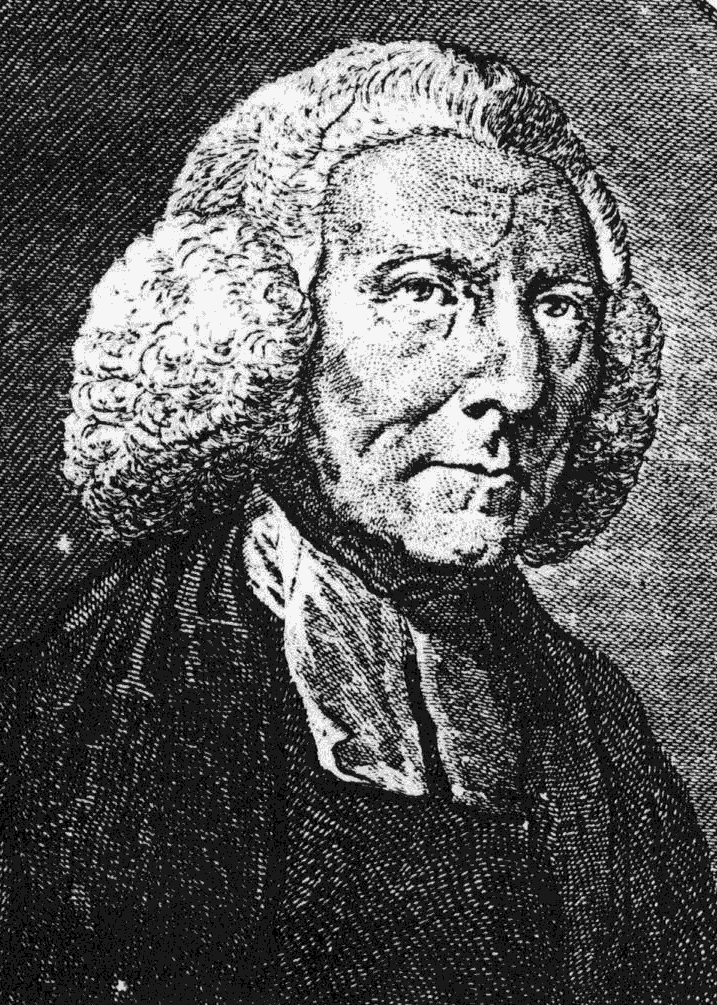
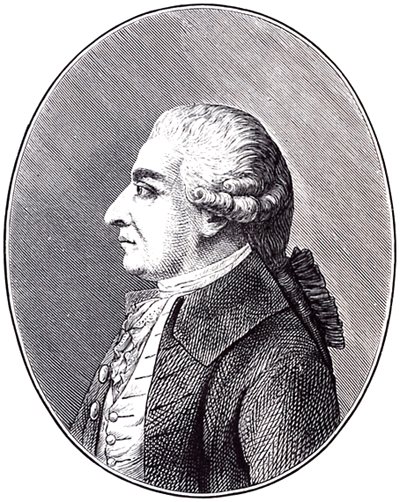
Denis Papin was a French physicist, mathematician, and inventor whose innovative spirit laid the groundwork for modern steam technology. Best known for his invention of the steam digester in 1679, Papin's work was pivotal in the development of the pressure cooker and significantly influenced the evolution of the steam engine. His experiments with steam pressure not only showcased the potential of steam as a power source but also led to advancements in various mechanical devices, including the centrifugal pump and submersible. In 1707, he proposed the concept of the paddlesteamer, further demonstrating his forward-thinking approach to engineering and transportation. Papin's contributions to science and technology were not limited to his inventions; he also engaged in theoretical discussions about the nature of steam and its applications. His ideas were often ahead of their time, and while he faced challenges in gaining recognition during his lifetime, his legacy endured, influencing subsequent generations of engineers and inventors. Papin's pioneering work in thermodynamics and fluid mechanics positioned him as a significant figure in the scientific revolution, marking him as a key player in the transition to the industrial age.
Books from the author




Link to this page
Add a free, dofollow link to Lex on your blog, forum, syllabus, or reading list.

<a href="https://lex-books.com/author/denis-papin"><img src="https://lex-books.com/badges/read-on-lex.svg" alt="Denis Papin on Lex" width="160" height="40"></a>[](https://lex-books.com/author/denis-papin)[url=https://lex-books.com/author/denis-papin][img]https://lex-books.com/badges/read-on-lex.svg[/img][/url]Denis Papin on Lex: https://lex-books.com/author/denis-papin