
David Gray
David Gray was a Scottish poet whose work emerged during the 19th century, contributing significantly to the Romantic movement. Born in 1838, he faced a challenging life marked by poverty and personal struggles, which deeply influenced his writing. Gray's poetry is characterized by its lyrical quality and emotional depth, often reflecting themes of nature, love, and loss. His notable works include 'The Lament of the Border Widow' and 'The Ballad of the Cuckoo,' which showcase his ability to blend traditional forms with personal expression, making him a unique voice of his time. Despite his untimely death at the age of 23, Gray's poetry garnered attention for its innovative use of language and imagery. His work has been recognized for its emotional intensity and its exploration of the human condition, earning him a place in the canon of Scottish literature. Gray's legacy continues to influence contemporary poets, and he is remembered as a poignant figure whose brief life produced a lasting impact on the literary landscape of the 19th century.
Famous Quotes
View all 17 quotes“I am grateful for what I am and have. My thanksgiving is perpetual. It is surprising how contented one can be with nothing definite - only a sense of existence. Well, anything for variety. I am ready to try this for the next ten thousand years, and exhaust it. How sweet to think of! my extremities well charred, and my intellectual part too, so that there is no danger of worm or rot for a long while. My breath is sweet to me. O how I laugh when I think of my vague indefinite riches. No run on my bank can drain it, for my wealth is not possession but enjoyment.””
“But when you talk about Nabokov and Coover, you’re talking about real geniuses, the writers who weathered real shock and invented this stuff in contemporary fiction. But after the pioneers always come the crank turners, the little gray people who take the machines others have built and just turn the crank, and little pellets of metafiction come out the other end. The crank-turners capitalize for a while on sheer fashion, and they get their plaudits and grants and buy their IRAs and retire to the Hamptons well out of range of the eventual blast radius. There are some interesting parallels between postmodern crank-turners and what’s happened since post-structural theory took off here in the U.S., why there’s such a big backlash against post-structuralism going on now. It’s the crank-turners fault. I think the crank-turners replaced the critic as the real angel of death as far as literary movements are concerned, now. You get some bona fide artists who come along and really divide by zero and weather some serious shit-storms of shock and ridicule in order to promulgate some really important ideas. Once they triumph, though, and their ideas become legitimate and accepted, the crank-turners and wannabes come running to the machine, and out pour the gray pellets and now the whole thing’s become a hollow form, just another institution of fashion. Take a look at some of the critical-theory Ph.D. dissertations being written now. They’re like de Man and Foucault in the mouth of a dull child. Academia and commercial culture have somehow become these gigantic mechanisms of commodification that drain the weight and color out of even the most radical new advances. It’s a surreal inversion of the death-by-neglect that used to kill off prescient art. Now prescient art suffers death-by acceptance. We love things to death, now. Then we retire to the Hamptons.””
“A world of contradictions, wherein everything is gray and almost nothing is black and white.””
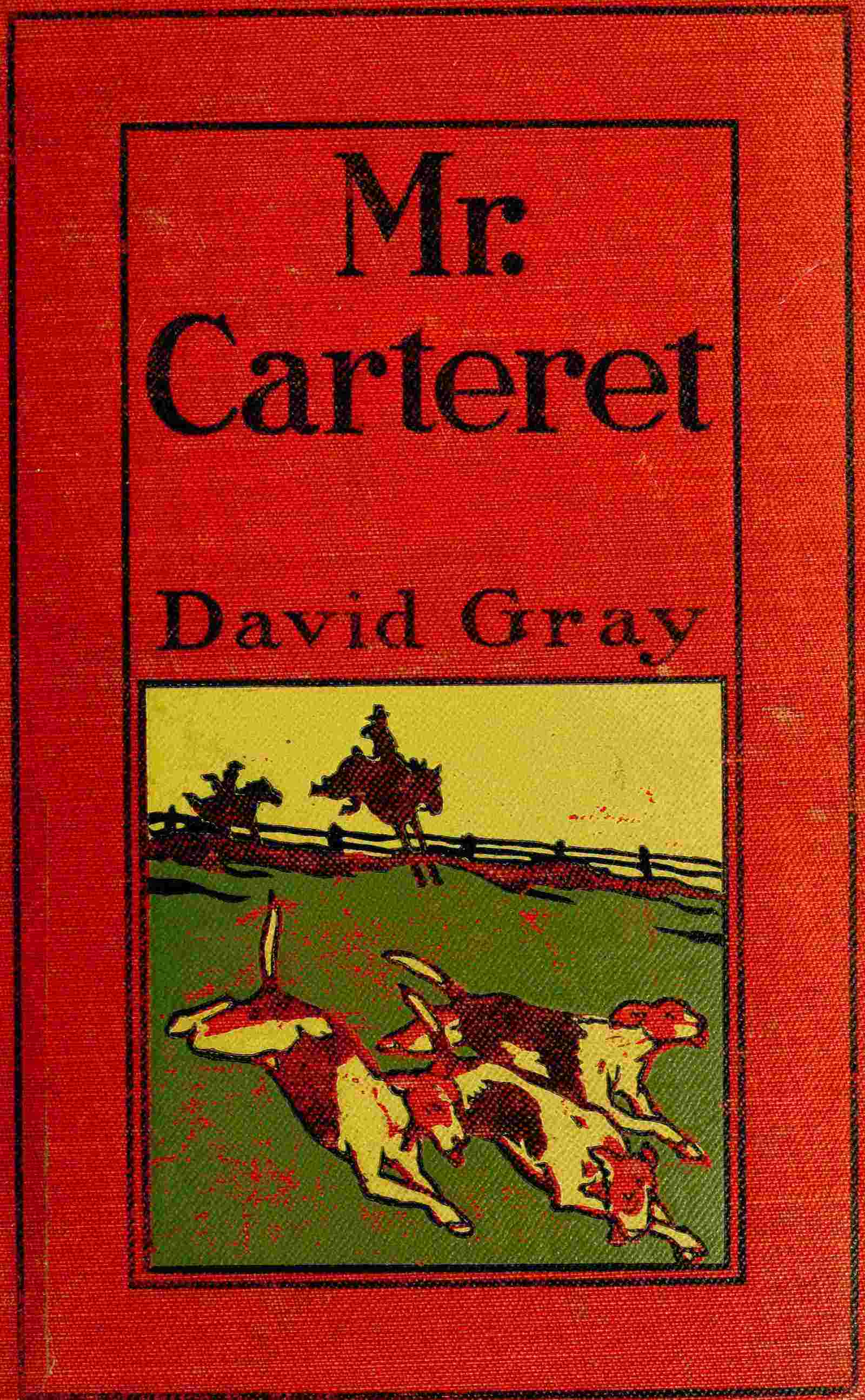
Books from the author



Link to this page
Add a free, dofollow link to Lex on your blog, forum, syllabus, or reading list.

<a href="https://lex-books.com/author/david-gray"><img src="https://lex-books.com/badges/read-on-lex.svg" alt="David Gray on Lex" width="160" height="40"></a>[](https://lex-books.com/author/david-gray)[url=https://lex-books.com/author/david-gray][img]https://lex-books.com/badges/read-on-lex.svg[/img][/url]David Gray on Lex: https://lex-books.com/author/david-gray