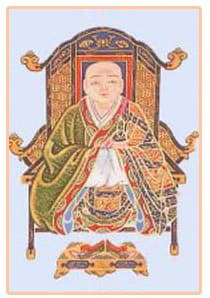
Daochuo
Daochuo was a prominent Chinese Buddhist monk and scholar during the Sui and Tang dynasties, known for his significant contributions to the development of Pure Land Buddhism. He is best remembered for his work, "安樂集" (Anle Ji), which translates to "Collection of Peace and Happiness." This text played a crucial role in popularizing the teachings of Amitabha Buddha and the practice of reciting his name, emphasizing the importance of faith and devotion in achieving enlightenment and rebirth in the Pure Land. Daochuo's teachings and writings laid the groundwork for later Pure Land practitioners, influencing the direction of Chinese Buddhism in subsequent centuries. His influence extended beyond his lifetime, as his interpretations and practices were foundational for later figures in Pure Land Buddhism, such as the renowned monk Shinran in Japan. Daochuo's emphasis on accessibility in spiritual practice resonated with many followers, making the path to enlightenment more attainable for the layperson. His legacy is reflected in the continued relevance of Pure Land teachings in East Asian Buddhism, showcasing his role as a pivotal figure in the religious landscape of his time.
Books from the author







Link to this page
Add a free, dofollow link to Lex on your blog, forum, syllabus, or reading list.

<a href="https://lex-books.com/author/daochuo"><img src="https://lex-books.com/badges/read-on-lex.svg" alt="Daochuo on Lex" width="160" height="40"></a>[](https://lex-books.com/author/daochuo)[url=https://lex-books.com/author/daochuo][img]https://lex-books.com/badges/read-on-lex.svg[/img][/url]Daochuo on Lex: https://lex-books.com/author/daochuo