Chevalier Jackson
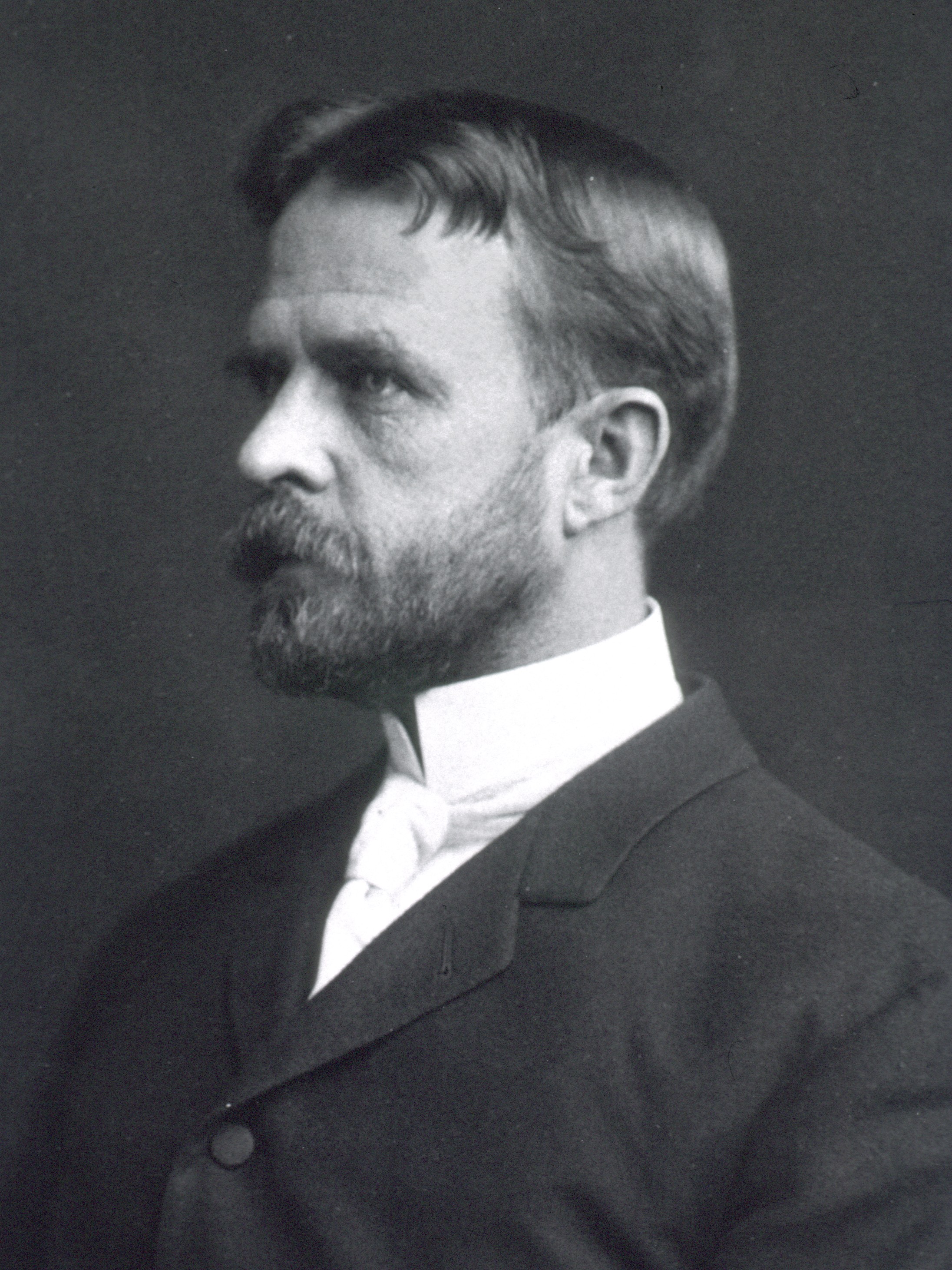
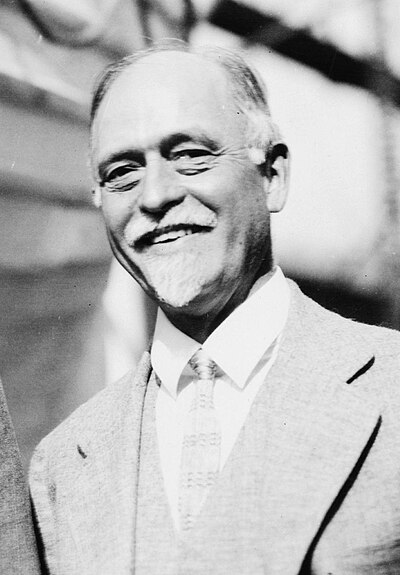
Chevalier Quixote Jackson was an influential American laryngologist, renowned for his pioneering work in the field of endoscopy. Often referred to as the 'father of endoscopy', Jackson made significant advancements in medical techniques for the removal of foreign bodies from the human body, particularly the throat and esophagus. Over his illustrious career, he successfully extracted more than 2,000 swallowed objects, showcasing his expertise and dedication to patient care. His remarkable collection of these foreign bodies is preserved at the Mütter Museum in Philadelphia, serving as a testament to his contributions to medicine. Jackson's work not only advanced the field of laryngology but also laid the groundwork for future developments in endoscopic procedures. His innovative techniques and commitment to improving surgical practices have had a lasting impact on medical science, influencing generations of physicians and surgeons. Through his contributions, Jackson established himself as a key figure in the evolution of medical practices related to the diagnosis and treatment of throat and esophageal conditions, ensuring his legacy endures in the annals of medical history.
Books from the author



Link to this page
Add a free, dofollow link to Lex on your blog, forum, syllabus, or reading list.

<a href="https://lex-books.com/author/chevalier-jackson"><img src="https://lex-books.com/badges/read-on-lex.svg" alt="Chevalier Jackson on Lex" width="160" height="40"></a>[](https://lex-books.com/author/chevalier-jackson)[url=https://lex-books.com/author/chevalier-jackson][img]https://lex-books.com/badges/read-on-lex.svg[/img][/url]Chevalier Jackson on Lex: https://lex-books.com/author/chevalier-jackson