Max Neuburger
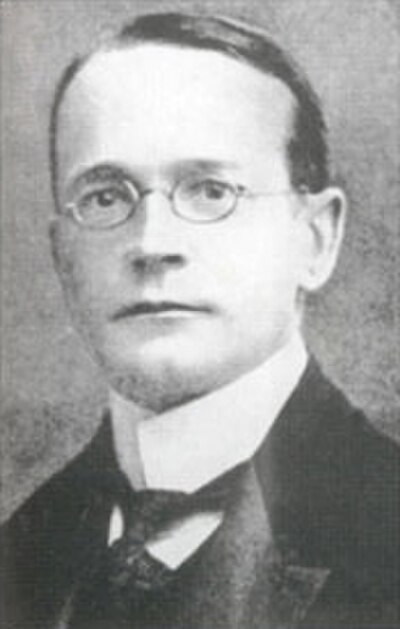
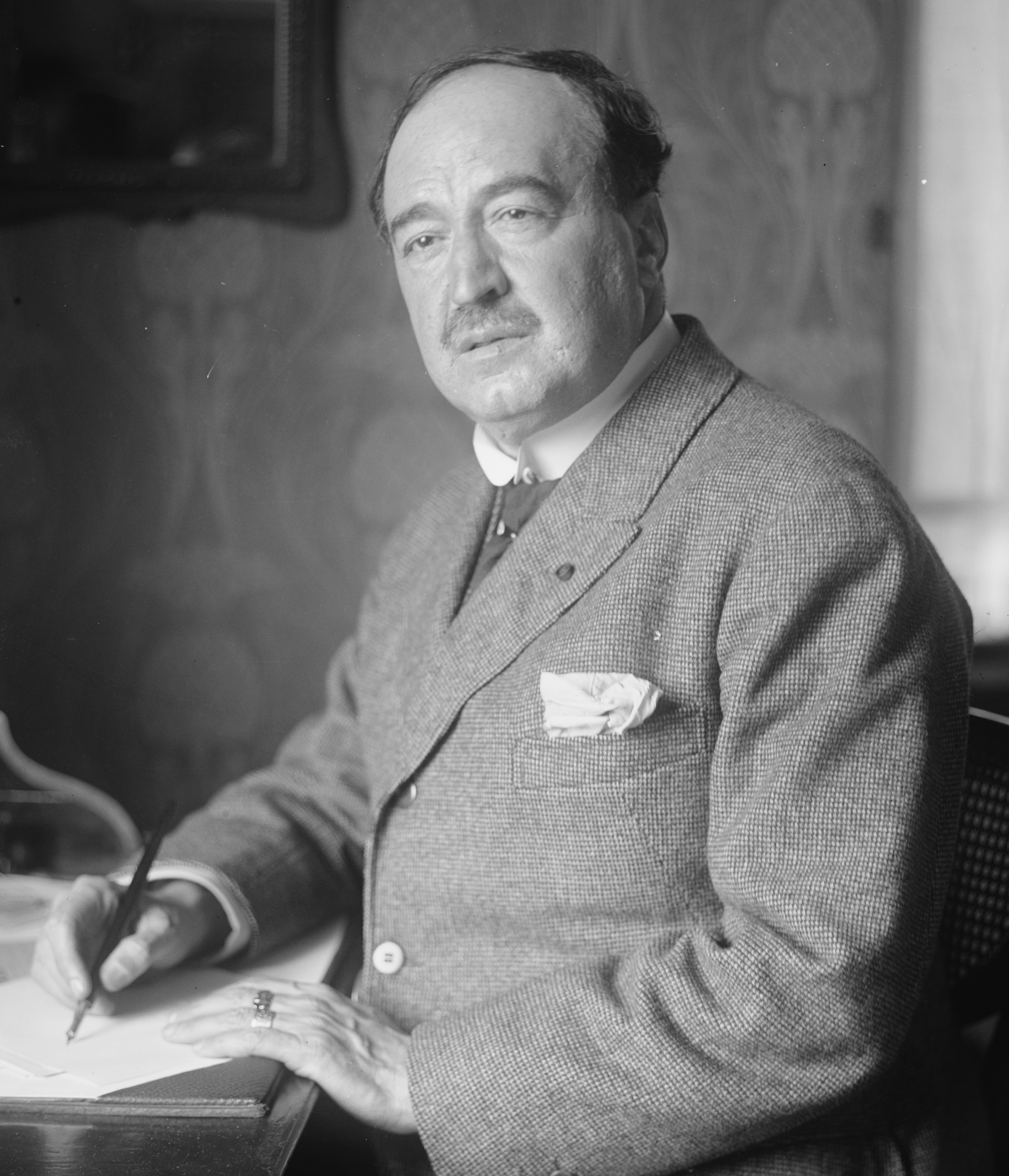
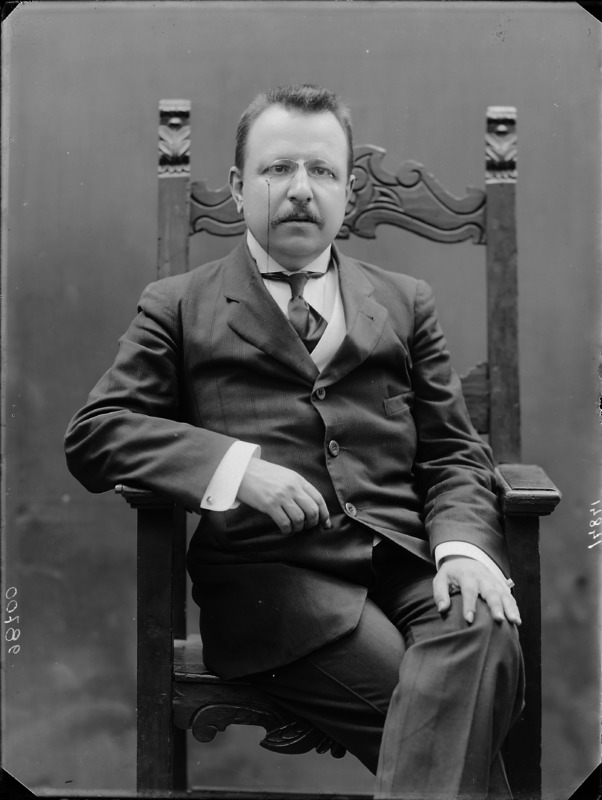
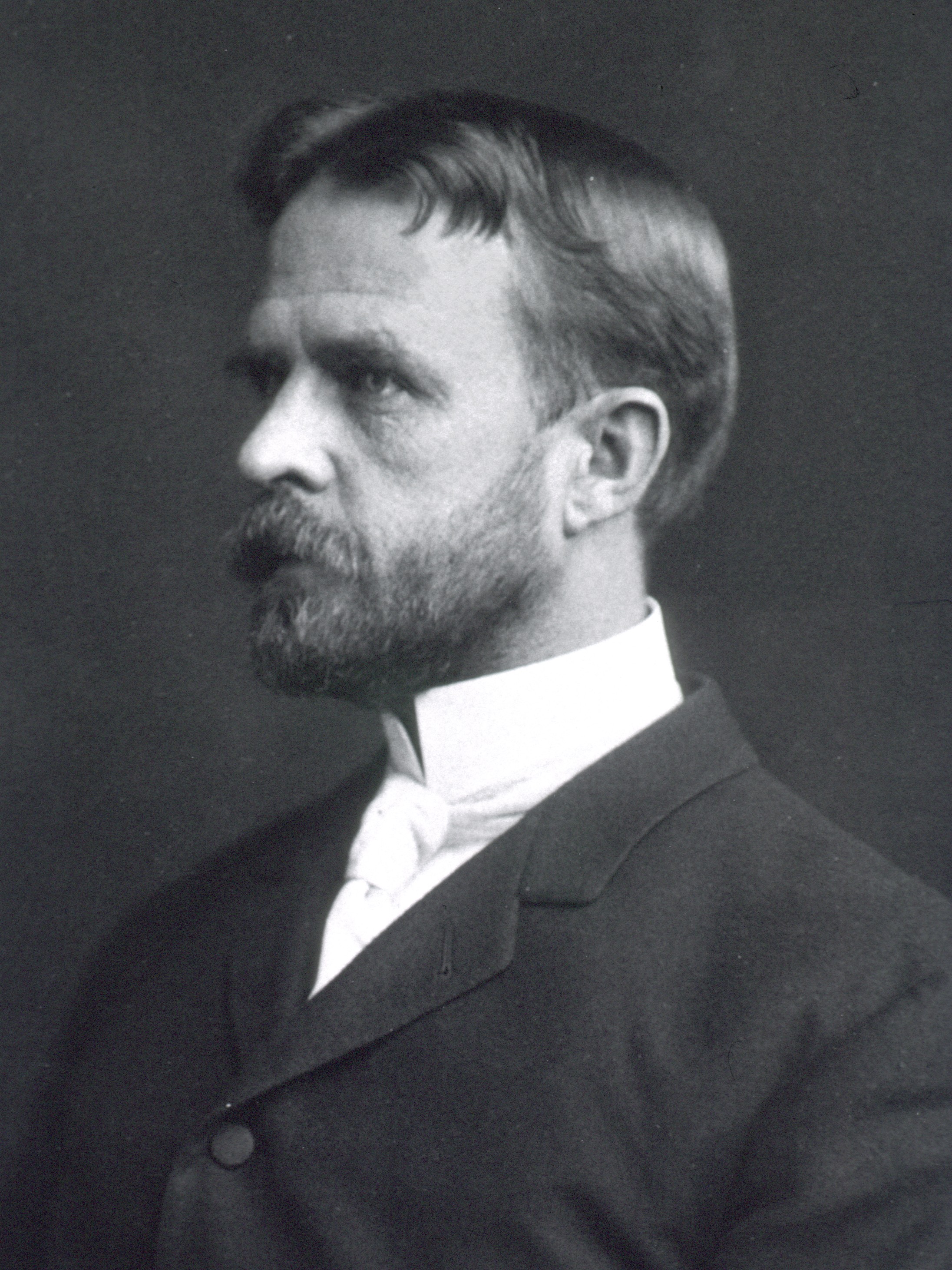
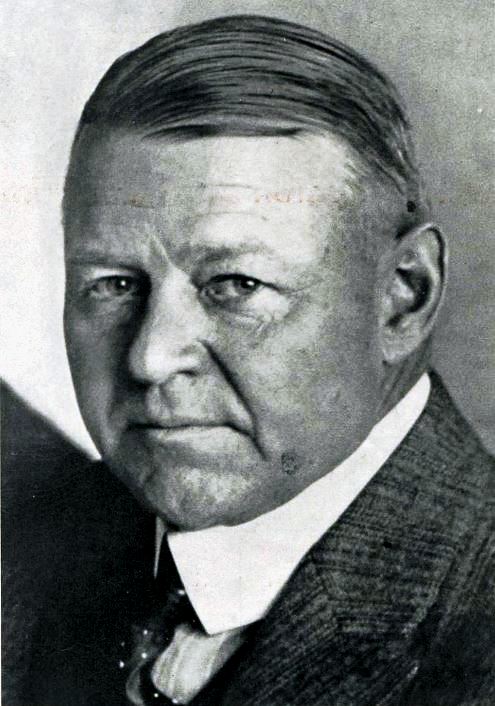
Max Neuburger was an influential Austrian physician and historian of medicine, born in Vienna to a family with deep roots in Jewish culture. His early education was marked by a strong affinity for literature and philosophy, which shaped his intellectual pursuits. He earned his medical doctorate from the University of Vienna in 1893, followed by clinical training and a significant role as an assistant to neurologist Moritz Benedikt. By 1898, Neuburger had qualified as a lecturer, and in 1917, he ascended to the position of full professor in the history of medicine, reflecting his deep commitment to the field. Neuburger's scholarly contributions were particularly notable for their depth and breadth, as he explored the evolution of medical practices and theories throughout history. His work not only advanced the understanding of medical history but also highlighted the interplay between medicine and society. However, his career faced a dramatic turn when he emigrated to London in 1939 due to Nazi persecution. There, he continued his work at the Wellcome Historical Medical Museum before relocating to Buffalo, New York, to be with his son. He eventually returned to Vienna, where he passed away in 1955, leaving behind a legacy as a pioneer in the historical study of medicine and a testament to the resilience of intellectual pursuit in the face of adversity.
Books from the author



Link to this page
Add a free, dofollow link to Lex on your blog, forum, syllabus, or reading list.

<a href="https://lex-books.com/author/max-neuburger"><img src="https://lex-books.com/badges/read-on-lex.svg" alt="Max Neuburger on Lex" width="160" height="40"></a>[](https://lex-books.com/author/max-neuburger)[url=https://lex-books.com/author/max-neuburger][img]https://lex-books.com/badges/read-on-lex.svg[/img][/url]Max Neuburger on Lex: https://lex-books.com/author/max-neuburger