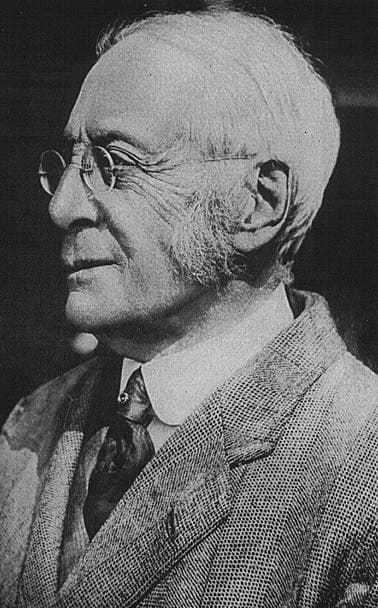
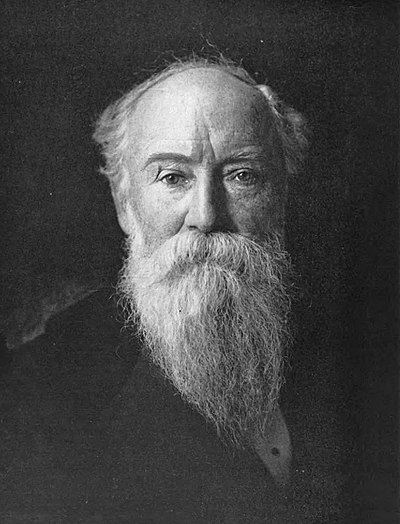
Charles William Eliot
Charles William Eliot was an influential American academic who served as the president of Harvard University from 1869 to 1909, marking the longest presidency in the institution's history. Under his leadership, Eliot transformed Harvard from a respected provincial college into a leading research university, emphasizing the importance of scientific inquiry and liberal education. He championed the elective system, allowing students greater freedom in choosing their courses, which significantly shaped modern higher education in the United States. Eliot's vision for education extended beyond the classroom; he advocated for the integration of practical knowledge and the humanities, believing that education should prepare individuals for active citizenship and personal development. Eliot's legacy is evident in the enduring influence of his educational reforms and his commitment to expanding access to higher education. He was also a prolific author, known for works such as "The Harvard Classics," a 51-volume anthology of classic works from world literature, philosophy, and history, which aimed to provide a comprehensive education to the public. His contributions to academia and his role in elevating Harvard's status have left a lasting impact on American education, making him a pivotal figure in the evolution of the modern university system.
Famous Quotes
View all 3 quotes“Books are the quietest and most constant of friends; they are the most accessible and wisest of counselors, and the most patient of teachers.”
“Books are the quietest and most constant of friends; they are the most accessible and wisest of counsellors, and the most patient of teachers.”
“If it seemeth to thee that thou knowest many things, and understandest them well, know also that there are many more things which thou knowest not.”
Books from the author



Link to this page
Add a free, dofollow link to Lex on your blog, forum, syllabus, or reading list.

<a href="https://lex-books.com/author/charles-william-eliot"><img src="https://lex-books.com/badges/read-on-lex.svg" alt="Charles William Eliot on Lex" width="160" height="40"></a>[](https://lex-books.com/author/charles-william-eliot)[url=https://lex-books.com/author/charles-william-eliot][img]https://lex-books.com/badges/read-on-lex.svg[/img][/url]Charles William Eliot on Lex: https://lex-books.com/author/charles-william-eliot