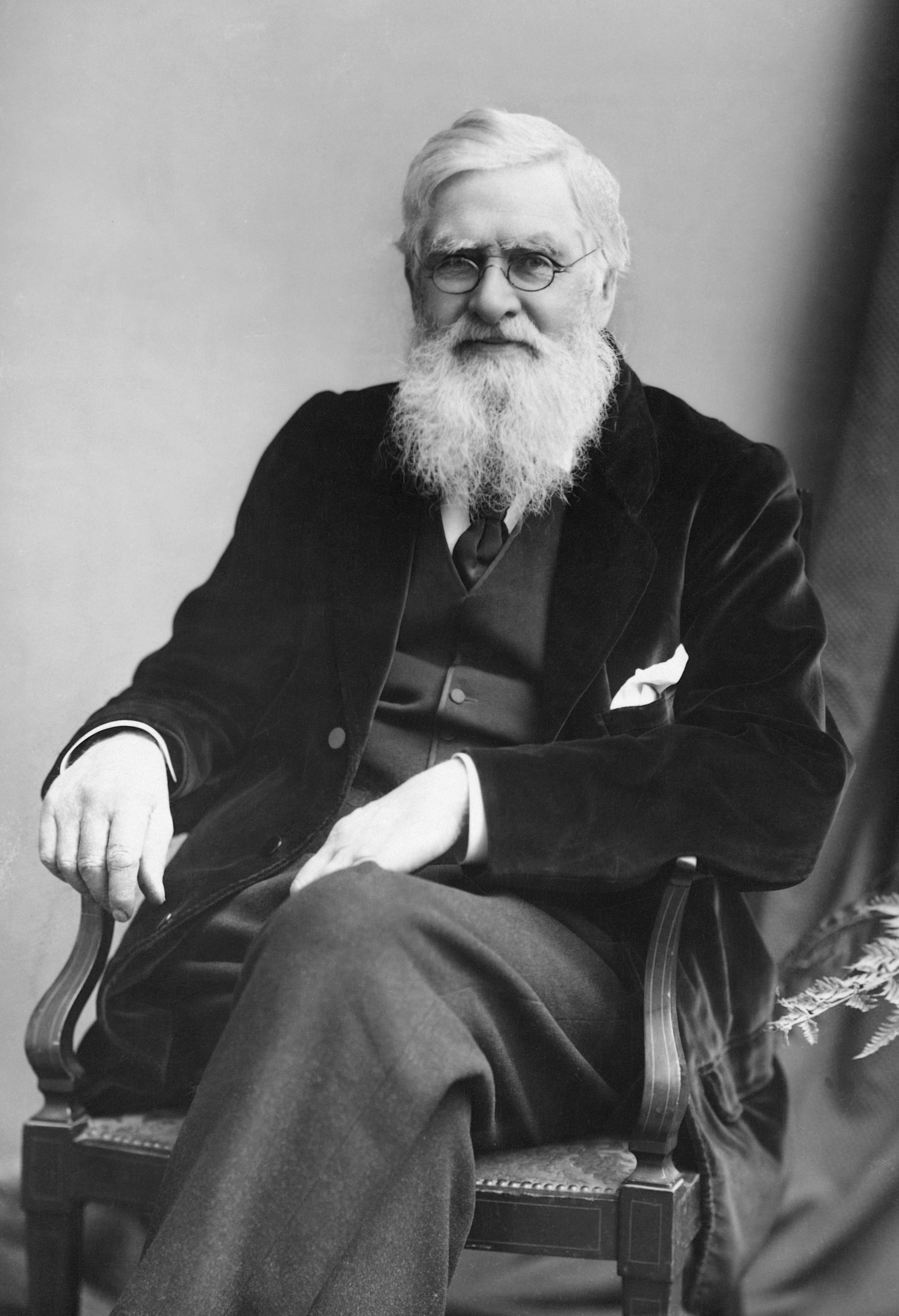
Charles Maumené
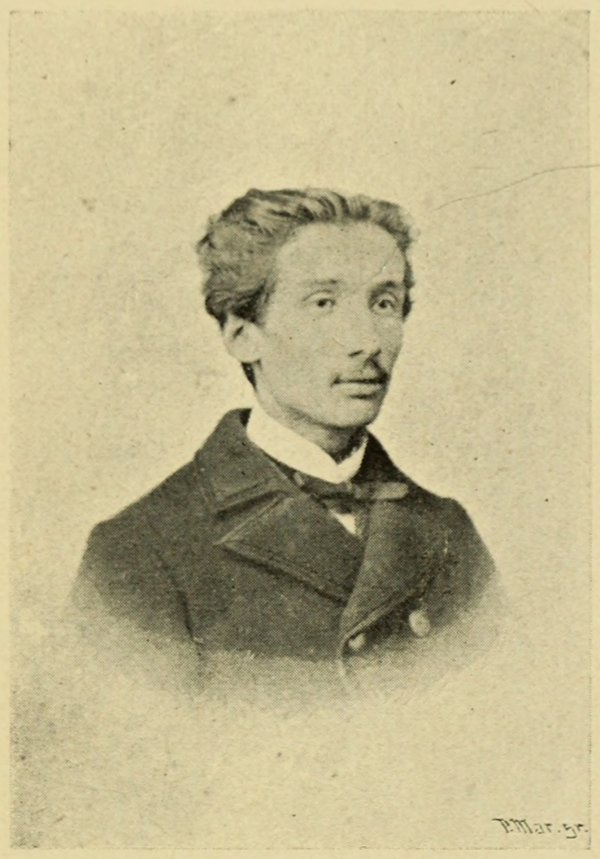
Charles Maumené was a French writer and ethnographer known for his explorations of North African cultures and landscapes. His notable work, 'De Boe Hedma in Zuid-Tunis: De Aarde En Haar Volken,' published in 1907, reflects his keen observations and insights into the peoples and geography of southern Tunisia. Through his writing, Maumené aimed to bridge the gap between European readers and the rich tapestry of life in North Africa, providing a detailed account of the region's customs, traditions, and natural beauty. Maumené's contributions to literature and ethnography are significant as they offer a unique perspective during a time when colonial interests were shaping narratives about foreign lands. His work not only serves as a historical document but also highlights the complexities of cultural interactions in the early 20th century. Although not as widely recognized as some of his contemporaries, Maumené's dedication to capturing the essence of Tunisian life remains an important part of the literary discourse surrounding colonial and post-colonial studies.