Charles Major
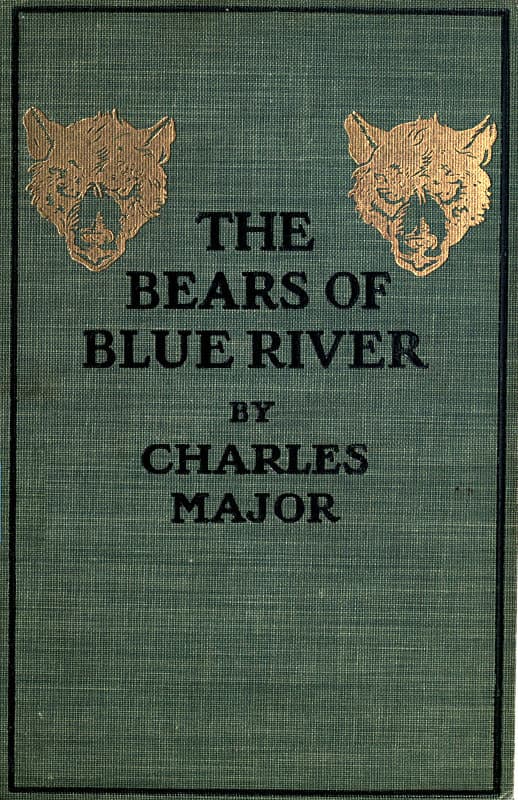
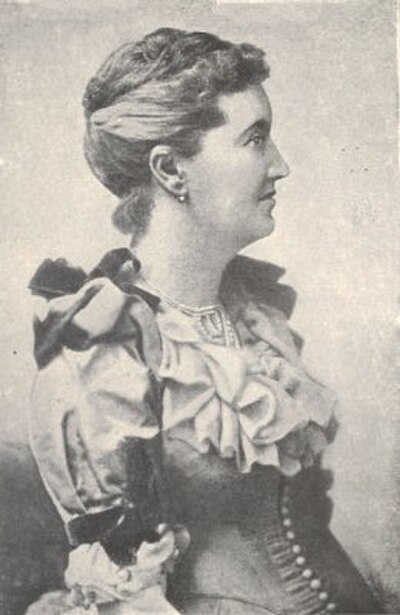
Charles Major was an American author and lawyer, best known for his historical novels and works that often depicted life in the American Midwest. Born in Indiana, he initially pursued a career in law but soon turned to writing, where he found his true calling. Major's most notable works include 'When Knighthood Was in Flower', a romantic historical novel that gained significant popularity for its vivid portrayal of the court of King Henry VIII, and 'The Bears of Blue River', a tale that reflects his deep appreciation for nature and the wilderness of Indiana. His writing is characterized by rich descriptions and a strong sense of place, which resonated with readers of his time. In addition to his novels, Major was a prominent figure in the literary community and served as the president of the Indiana Authors' Club. His contributions to American literature during the late 19th and early 20th centuries helped to shape the genre of historical fiction, influencing future writers who sought to blend factual history with imaginative storytelling. Despite his success, Major's works have largely faded from contemporary recognition, yet they remain a testament to the literary landscape of his era, showcasing the cultural and social dynamics of his time.
Famous Quotes
View all 12 quotes“People are strange: They are constantly angered by trivial things, but on a major matter like totally wasting their lives, they hardly seem to notice.””
“For monarchy to work, one man must be wise. For democracy to work, a majority of the people must be wise. Which is more likely?””
“A man who is holding down a menial job and thereby supporting a wife and children is doing something authentically important with his life. He should take deep satisfaction from that, and be praised by his community for doing so. If that same man lives under a system that says the children of the woman he sleeps with will be taken care of whether or not he contributes, then that status goes away. I am not describing a theoretical outcome, but American neighborhoods where, once working at a menial job to provide for his family made a man proud and gave him status in his community, and where now it doesn't. Taking the trouble out of life strips people in major ways which human beings look back on their lives and say, ‘I made a difference.””
Books from the author


Link to this page
Add a free, dofollow link to Lex on your blog, forum, syllabus, or reading list.

<a href="https://lex-books.com/author/charles-major"><img src="https://lex-books.com/badges/read-on-lex.svg" alt="Charles Major on Lex" width="160" height="40"></a>[](https://lex-books.com/author/charles-major)[url=https://lex-books.com/author/charles-major][img]https://lex-books.com/badges/read-on-lex.svg[/img][/url]Charles Major on Lex: https://lex-books.com/author/charles-major