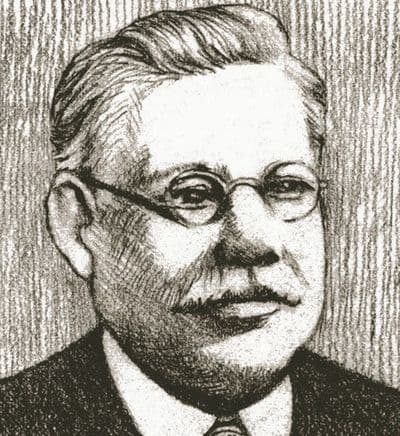
Charles Hose
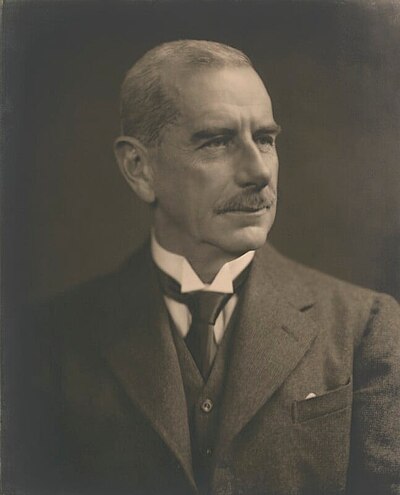
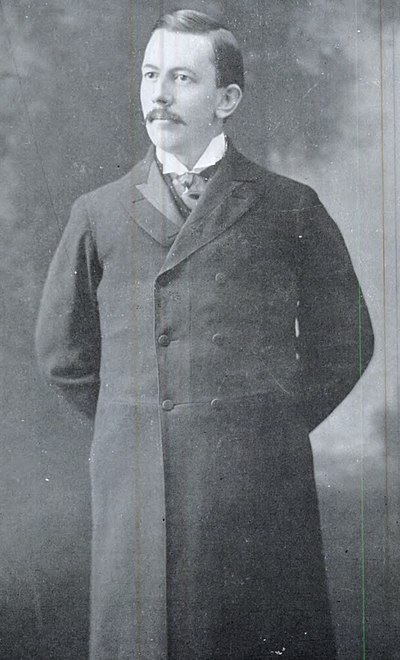
Charles Hose was a British colonial administrator, zoologist, and ethnologist known for his extensive work in the Malay Archipelago. He served as a colonial officer in British Borneo, where he conducted significant research on the region's flora, fauna, and indigenous cultures. His notable works include 'The Fauna of British Borneo' and 'The Natives of Sarawak and British North Borneo,' which provided valuable insights into the biodiversity and the social structures of the local populations. Hose's contributions to ethnology and zoology were instrumental in advancing the understanding of Southeast Asian ecosystems and cultures during a time of colonial expansion. Hose's legacy lies in his meticulous documentation and analysis of the natural world and human societies in Borneo. His research not only enriched scientific knowledge but also highlighted the complexities of colonial relationships with indigenous peoples. Through his writings, Hose became a significant figure in the fields of zoology and ethnology, influencing future generations of researchers and explorers. His work remains a critical reference for those studying the intersection of science and colonialism in the early 20th century.
Famous Quotes
View all 3 quotes“Then after all this reverse the procedure. Have a good love affair. And the thing you might learn is that nobody knows anything”
“The situation with regard to insulin is particularly clear. In many parts of the world diabetic children still die from lack of this hormone. ... [T]hose of us who search for new biological facts and for new and better therapeutic weapons should appreciate that one of the central problems of the world is the more equitable distribution and use of the medical and nutritional advances which have already been established. The observations which I have recently made in parts of Africa and South America have brought this fact very forcible to my attention.””
“A zealous janitor burned some of what remained after her death, until a passing sheriff’s deputy grabbed a garden hose and doused what could be saved. “Ain’t it a shame, how interesting people get after they’re dead,” said Alan Lomax,””
Books from the author


Link to this page
Add a free, dofollow link to Lex on your blog, forum, syllabus, or reading list.

<a href="https://lex-books.com/author/charles-hose"><img src="https://lex-books.com/badges/read-on-lex.svg" alt="Charles Hose on Lex" width="160" height="40"></a>[](https://lex-books.com/author/charles-hose)[url=https://lex-books.com/author/charles-hose][img]https://lex-books.com/badges/read-on-lex.svg[/img][/url]Charles Hose on Lex: https://lex-books.com/author/charles-hose