Cecil Warburton
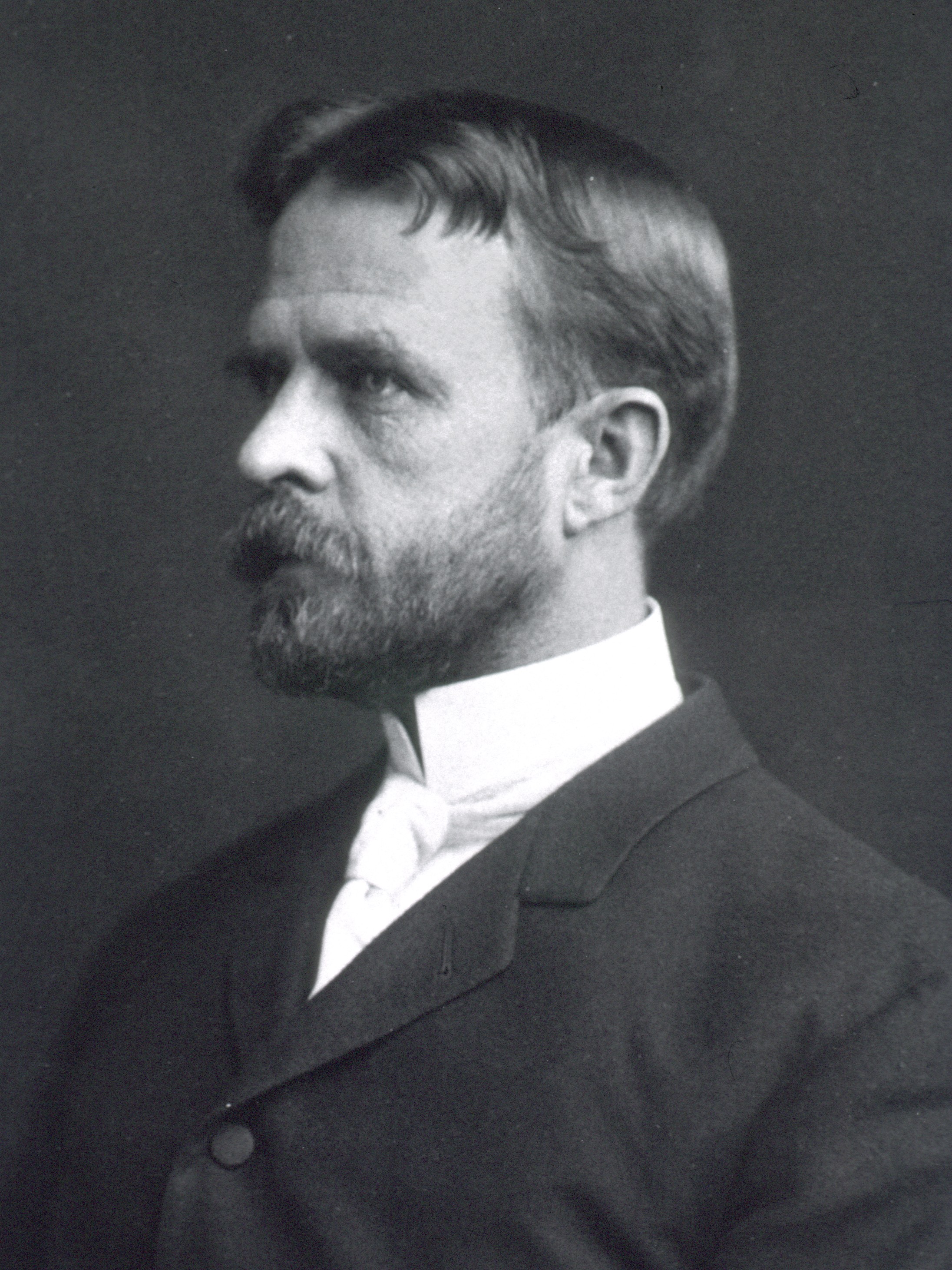
Cecil Warburton was a prominent British zoologist known for his significant contributions to the fields of arachnology and acarology, particularly in the study of ticks that hold both medical and veterinary importance. Born in Salford, he pursued his education at Old Trafford and Owens College in Manchester before moving to Christ's College, Cambridge, where he earned his BA in 1889 and MA in 1892. His academic career began with teaching at Old Trafford, but he soon joined the Royal Agricultural Society in 1893, where he taught at the School of Agriculture in Cambridge. Warburton's collaboration with G. H. F. Nuttall at the Quick Laboratory marked a pivotal point in his career, as he served as a university demonstrator in medical entomology from 1912 to 1931. Throughout his career, Warburton made substantial contributions to the understanding of arachnids, particularly through his work on ticks, which he described in various scientific journals. His expertise was recognized in the Cambridge Natural History volume on Arachnida, where he played a key role in detailing the characteristics and classifications of numerous tick species. Warburton remained dedicated to his research and collaboration with Nuttall until the latter's death in 1937. He lived a long life, passing away in Grantchester, Cambridge, leaving behind a legacy of rigorous scientific inquiry and a deeper understanding of the ecological and medical significance of ticks.
Books from the author






Link to this page
Add a free, dofollow link to Lex on your blog, forum, syllabus, or reading list.

<a href="https://lex-books.com/author/cecil-warburton"><img src="https://lex-books.com/badges/read-on-lex.svg" alt="Cecil Warburton on Lex" width="160" height="40"></a>[](https://lex-books.com/author/cecil-warburton)[url=https://lex-books.com/author/cecil-warburton][img]https://lex-books.com/badges/read-on-lex.svg[/img][/url]Cecil Warburton on Lex: https://lex-books.com/author/cecil-warburton