The Four Seasons
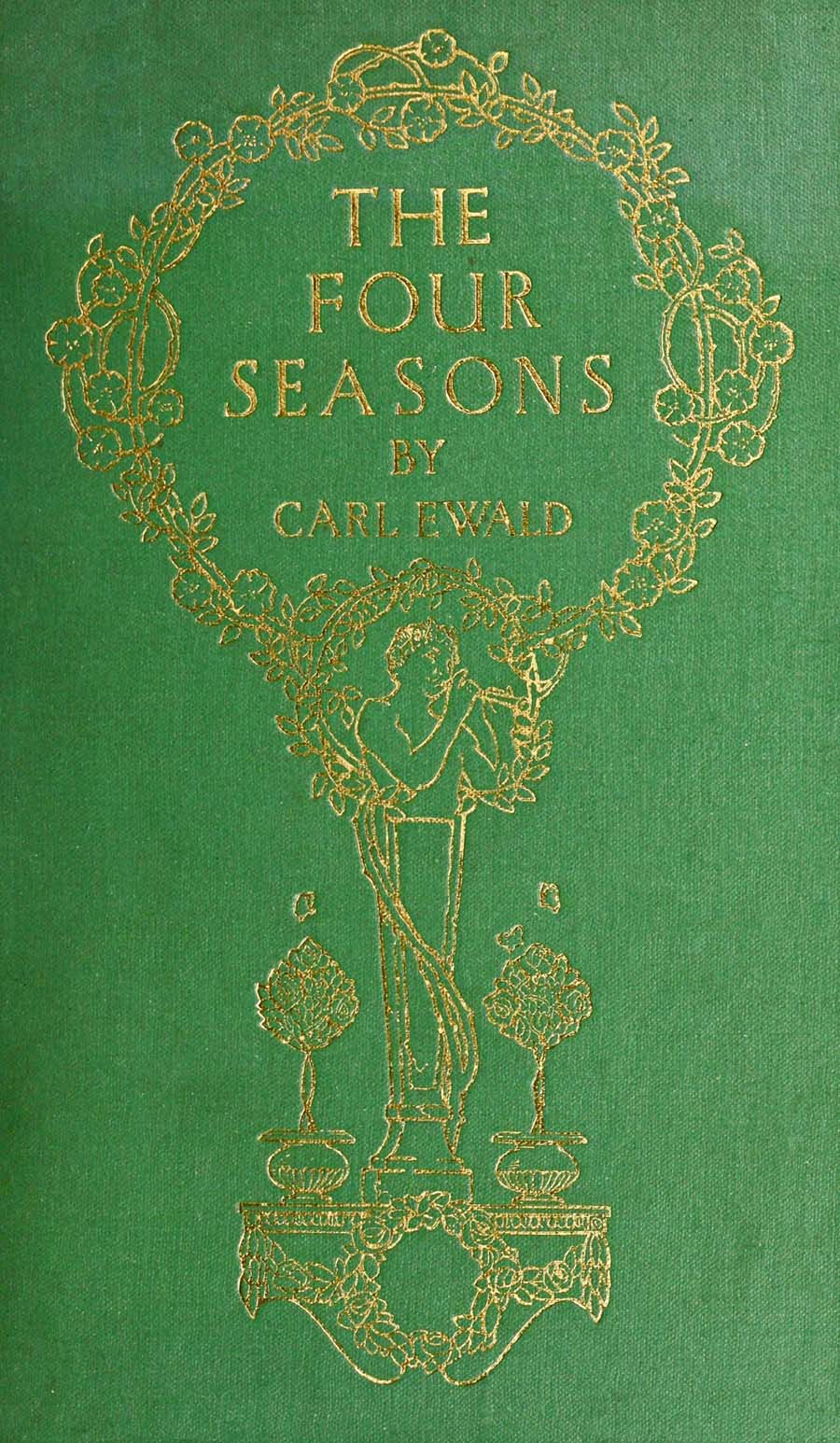
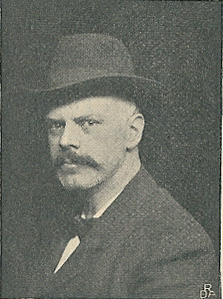
Carl Ewald's The Four Seasons presents the four seasons as princes, Winter, Spring, Summer, and Autumn, each claiming dominion over the Earth. In this poetic allegory, they negotiate and compete, each wielding distinct powers and characteristics. Ewald weaves a meditation on cyclical time and natural balance through their eternal dance. The story explores how each season depends on the others, how impermanence gives way to renewal, and how the world's harmony rests on their delicate cooperation. Written in the early 20th century with quiet literary grace, this timeless fable speaks to readers of all ages who find meaning in nature's rhythms and the philosophy of change.
Editions
Link to this book
Add a free, dofollow link to Lex on your blog, forum, syllabus, or reading list.

<a href="https://lex-books.com/book/the-four-seasons-37aed719-4c23-444a-a886-97f18e1ec2b4"><img src="https://lex-books.com/badges/read-on-lex.svg" alt="Read The Four Seasons by Carl Ewald free on Lex" width="160" height="40"></a>[](https://lex-books.com/book/the-four-seasons-37aed719-4c23-444a-a886-97f18e1ec2b4)[url=https://lex-books.com/book/the-four-seasons-37aed719-4c23-444a-a886-97f18e1ec2b4][img]https://lex-books.com/badges/read-on-lex.svg[/img][/url]Read The Four Seasons by Carl Ewald free on Lex: https://lex-books.com/book/the-four-seasons-37aed719-4c23-444a-a886-97f18e1ec2b4Cite this book
Reading this edition for a paper or guide? Copy a citation.
Ewald, Carl. The Four Seasons. Lex, lex-books.com/book/the-four-seasons-37aed719-4c23-444a-a886-97f18e1ec2b4.Ewald, C. (n.d.). The Four Seasons. Lex. https://lex-books.com/book/the-four-seasons-37aed719-4c23-444a-a886-97f18e1ec2b4Ewald, Carl. The Four Seasons. Lex. https://lex-books.com/book/the-four-seasons-37aed719-4c23-444a-a886-97f18e1ec2b4.