
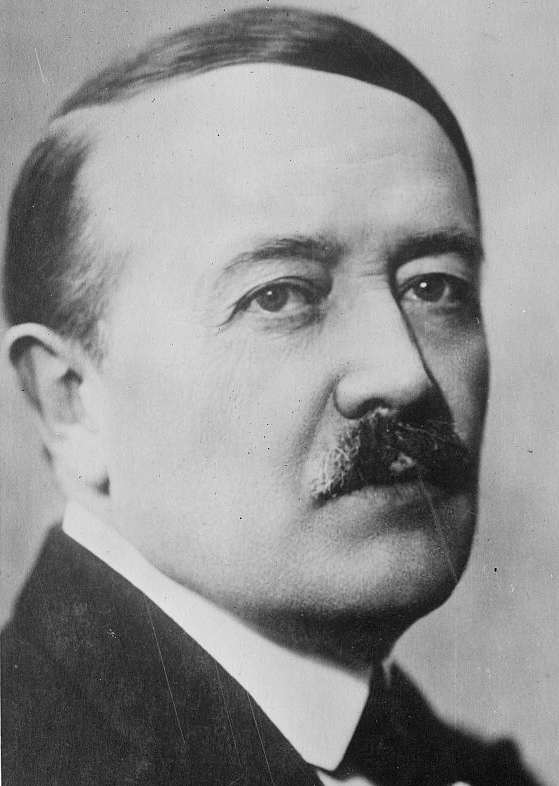
C. W. Saleeby
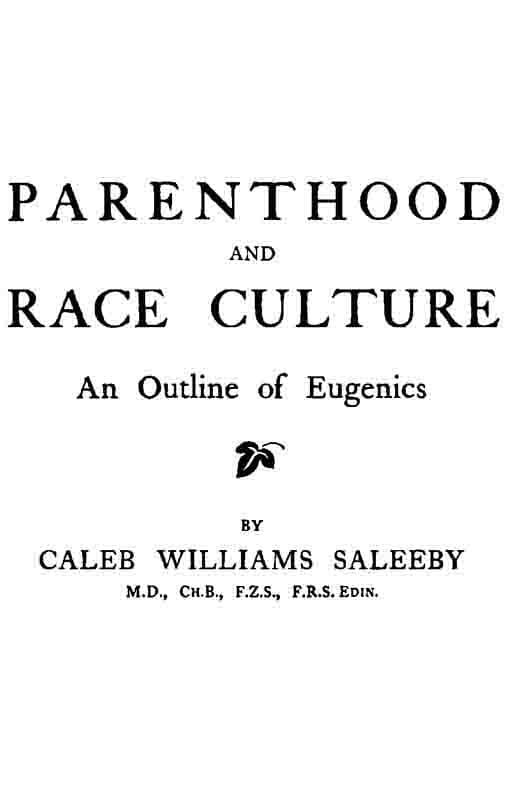
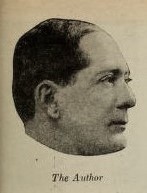
C. W. Saleeby was a British author and eugenicist, known for his controversial writings on race and gender in the early 20th century. His works, particularly 'Parenthood and Race Culture: An Outline of Eugenics' and 'Woman and Womanhood: A Search for Principles,' reflect the prevailing attitudes of his time regarding heredity and social policy. Saleeby's advocacy for eugenics was rooted in a belief that the improvement of human populations could be achieved through selective breeding, a notion that has since been widely discredited and criticized for its ethical implications and association with discriminatory practices. In 'Parenthood and Race Culture,' Saleeby outlined his views on the importance of race in the context of parenthood, arguing for the necessity of eugenics in ensuring the health and vitality of future generations. His exploration of womanhood in 'Woman and Womanhood' sought to define the roles and principles governing women's lives, reflecting both the social norms and the emerging feminist discourse of his era. Despite the historical context of his work, Saleeby's ideas have sparked significant debate and remain a point of reference in discussions about race, gender, and ethics in science, illustrating the complexities of early 20th-century thought on these subjects.
Books from the author







Link to this page
Add a free, dofollow link to Lex on your blog, forum, syllabus, or reading list.

<a href="https://lex-books.com/author/c-w-saleeby"><img src="https://lex-books.com/badges/read-on-lex.svg" alt="C. W. Saleeby on Lex" width="160" height="40"></a>[](https://lex-books.com/author/c-w-saleeby)[url=https://lex-books.com/author/c-w-saleeby][img]https://lex-books.com/badges/read-on-lex.svg[/img][/url]C. W. Saleeby on Lex: https://lex-books.com/author/c-w-saleeby