
Bishop of Tours, Saint Gregory
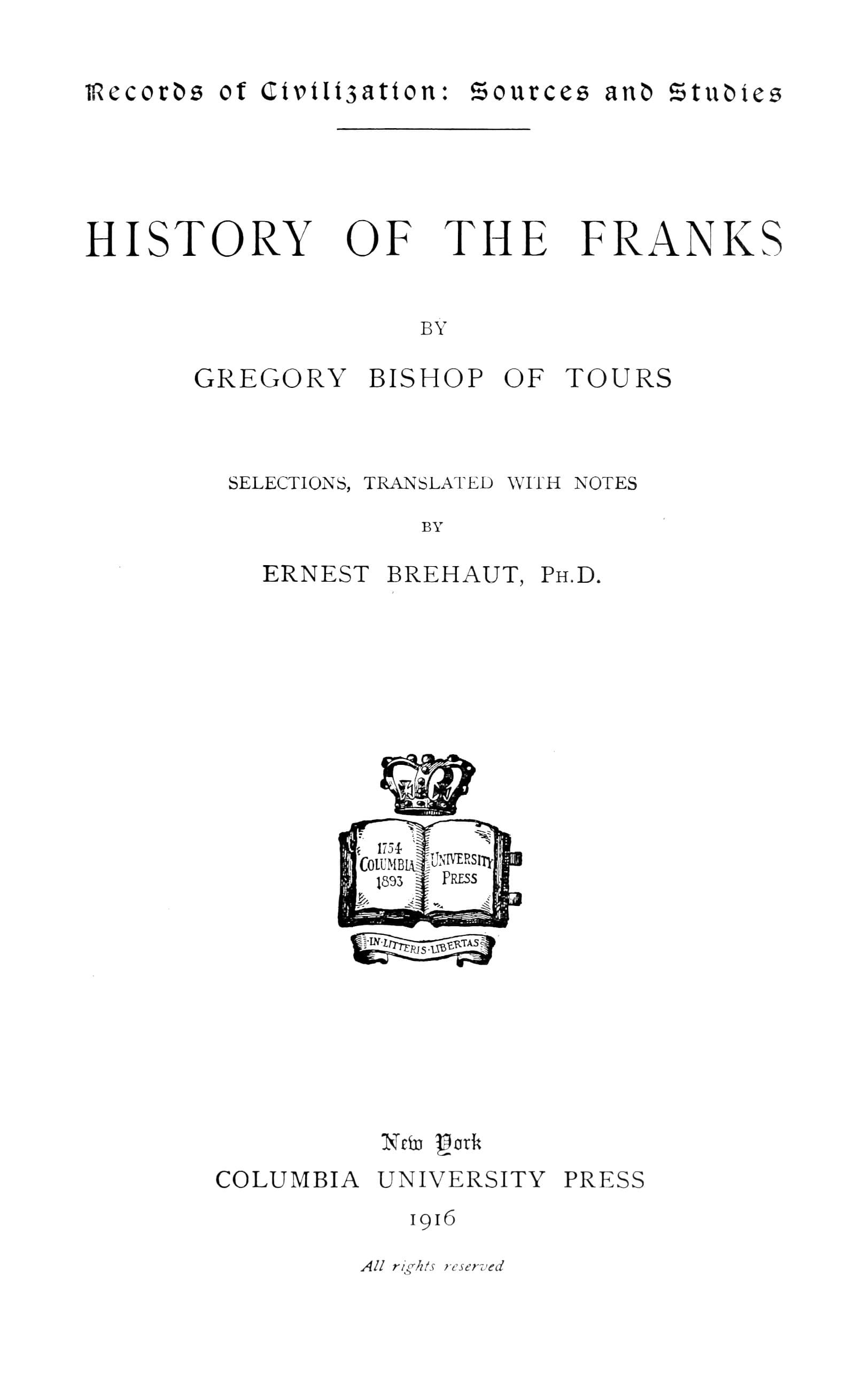
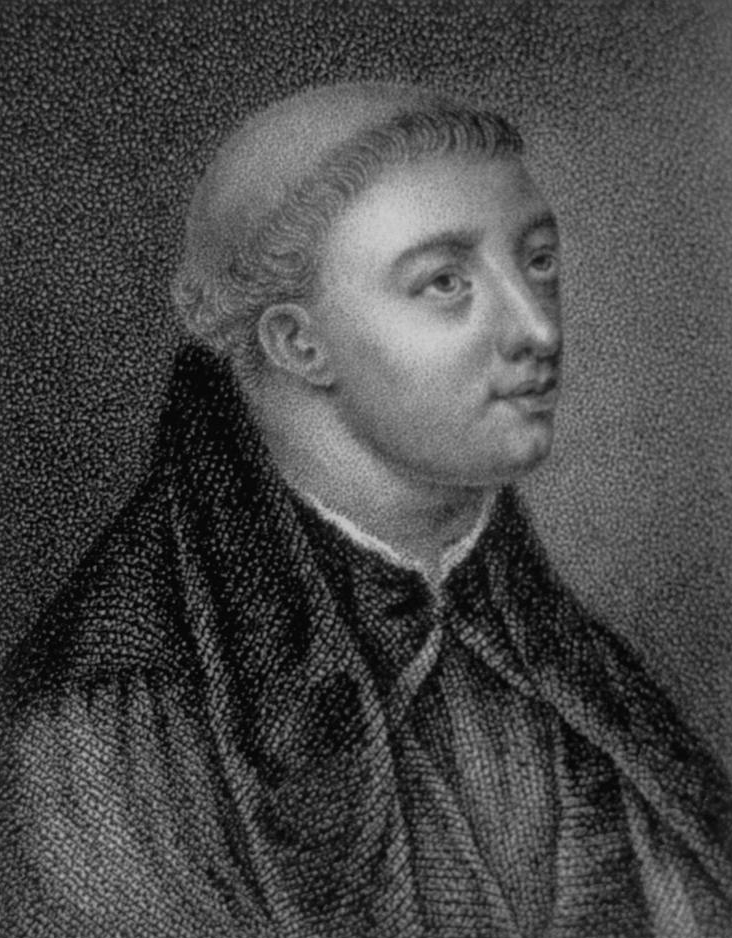
Saint Gregory of Tours was a prominent bishop and historian in the early medieval period, best known for his work, "Historia Francorum" (History of the Franks). Born in what is now France, he became the Bishop of Tours around 573 and played a significant role in the religious and political life of the region. His writings provide a crucial insight into the Merovingian dynasty and the transition from Roman to medieval society in Gaul. Gregory's historical accounts are notable for their blend of hagiography, history, and personal anecdotes, offering a unique perspective on the lives of saints and the socio-political landscape of his time. In addition to "Historia Francorum," Gregory authored several other works, including a collection of miracles and the lives of saints, which reflect his deep faith and commitment to the Christian community. His narratives are characterized by a vivid style and a keen sense of the moral implications of historical events. Gregory's legacy endures not only through his writings but also as a key figure in the development of medieval historiography, influencing later historians and shaping the understanding of early French history. His works remain a vital source for scholars studying the period, illustrating the complexities of faith, power, and society in the early Middle Ages.
Books from the author



Link to this page
Add a free, dofollow link to Lex on your blog, forum, syllabus, or reading list.

<a href="https://lex-books.com/author/bishop-of-tours-saint-gregory"><img src="https://lex-books.com/badges/read-on-lex.svg" alt="Bishop of Tours, Saint Gregory on Lex" width="160" height="40"></a>[](https://lex-books.com/author/bishop-of-tours-saint-gregory)[url=https://lex-books.com/author/bishop-of-tours-saint-gregory][img]https://lex-books.com/badges/read-on-lex.svg[/img][/url]Bishop of Tours, Saint Gregory on Lex: https://lex-books.com/author/bishop-of-tours-saint-gregory