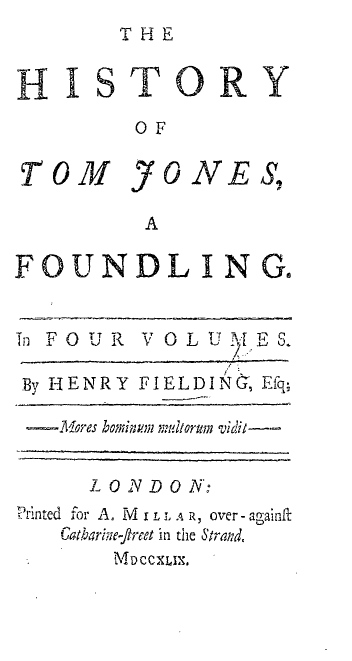
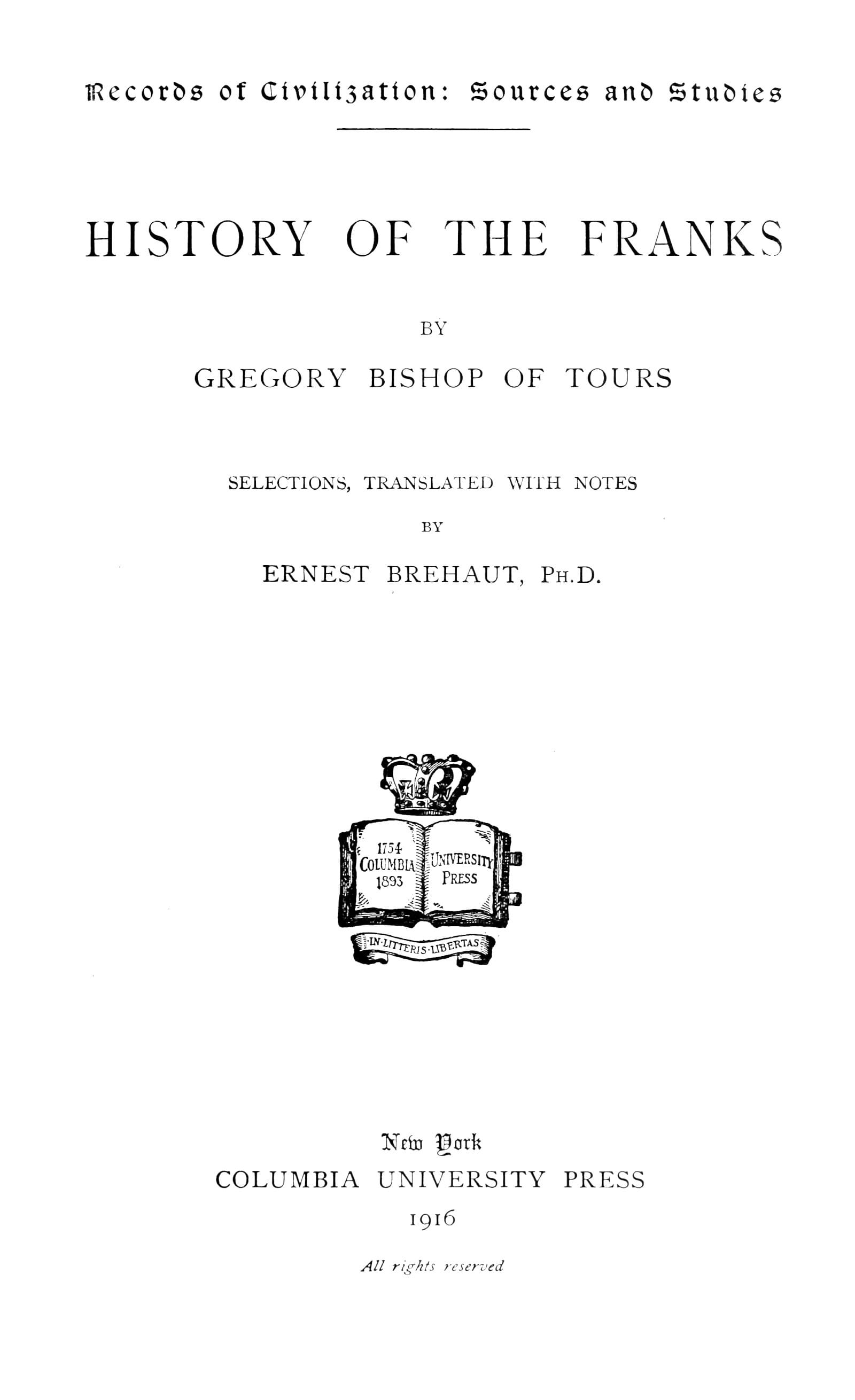
History of the Franks
1916
History of the Franks
Bishop of Tours, Saint Gregory
1916
Translated by Ernest Brehaut
Written in the twilight of the ancient world, this is our most detailed firsthand account of early medieval Gaul. Gregory of Tours, a bishop who both witnessed and participated in the events he describes, chronicles the Merovingian dynasty at its bloody, glittering height: kings who murdered brothers, saints who performed miracles at court, and a world remaking itself from the ruins of Rome. Gregory writes with a churchman's instincts and a storyteller's eye, weaving together political intrigue, warfare, and the supernatural into a narrative that feels startlingly modern in its attention to human vanity and ambition. This is not the sanitized chronicle of saints' lives one might expect; it is rough, vivid, and occasionally savage. For anyone curious about how the classical world became the medieval one, there are few documents as essential, and few that read with such immediacy across fifteen centuries.
Editions

X-Ray
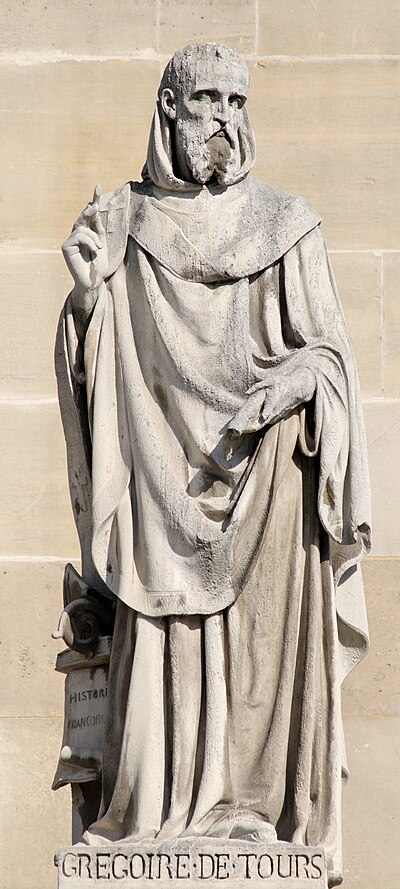
Bishop of Tours and author of this history, writing from 538-594 CE. A devoutly Christian chronicler who combines historical narrative with religious interpretation and miracle accounts.
First Christian king of the Franks (481-511 CE), who unified Gaul under Frankish rule. Gregory portrays him as divinely favored after his conversion to Christianity.
Burgundian princess and Christian wife of Clovis. Gregory presents her as the pious influence who led to Clovis's conversion and the Christianization of the Franks.
Fourth-century bishop and patron saint of Tours, whose miracles and cult dominate Gregory's spiritual worldview. Though deceased, his presence permeates the narrative.
About History of the Franks
Chapter Summaries
- Preface
- Gregory explains his motivation for writing, lamenting the decline of learning in Gaul and his own limitations in grammar and rhetoric. He justifies mixing sacred and secular history, following biblical and earlier Christian historical models.
- 1.1-10
- Gregory begins with biblical history from Adam through the Exodus, providing his theological framework and demonstrating his belief that all history reveals God's plan. He includes detailed geographical descriptions of the Red Sea crossing.
- 1.11-29
- Continuing biblical and early Christian history through the persecution of Christians under various Roman emperors. Gregory emphasizes the martyrs of Lyons as particularly significant for Gallic Christianity.
Key Themes
- Divine Providence in History
- Gregory consistently interprets historical events as manifestations of God's will, showing how divine favor supports orthodox Christians while punishing heretics and pagans. This theological framework shapes his entire historical narrative.
- Conversion and Religious Transformation
- The conversion of Clovis and the Franks from paganism to Christianity serves as the central transformative event, representing the broader Christianization of Gaul and the triumph of orthodox faith over Arianism.
- Miracles and Supernatural Intervention
- Gregory presents a world where miracles are commonplace and saints actively intervene in earthly affairs. This supernatural dimension validates the Christian worldview and demonstrates the power of faith over material forces.
Characters
- Gregory of Tours(protagonist)
- Bishop of Tours and author of this history, writing from 538-594 CE. A devoutly Christian chronicler who combines historical narrative with religious interpretation and miracle accounts.
- Clovis(major)
- First Christian king of the Franks (481-511 CE), who unified Gaul under Frankish rule. Gregory portrays him as divinely favored after his conversion to Christianity.
- Queen Clotilda(major)
- Burgundian princess and Christian wife of Clovis. Gregory presents her as the pious influence who led to Clovis's conversion and the Christianization of the Franks.
- St. Martin of Tours(major)
- Fourth-century bishop and patron saint of Tours, whose miracles and cult dominate Gregory's spiritual worldview. Though deceased, his presence permeates the narrative.
- Theodoric(major)
- Eldest son of Clovis who ruled the eastern Frankish kingdom. Gregory portrays him as cunning and sometimes ruthless in his political dealings.
- Childebert(major)
- Son of Clovis who ruled the northern Frankish kingdom including Paris. Gregory depicts him as ambitious and sometimes cruel, particularly in the murder of his nephews.
Link to this book
Add a free, dofollow link to Lex on your blog, forum, syllabus, or reading list.

<a href="https://lex-books.com/book/history-of-the-franks-d0cbc135-3b22-4c36-9b06-3b21d77a37fb"><img src="https://lex-books.com/badges/read-on-lex.svg" alt="Read History of the Franks by Bishop of Tours, Saint Gregory free on Lex" width="160" height="40"></a>[](https://lex-books.com/book/history-of-the-franks-d0cbc135-3b22-4c36-9b06-3b21d77a37fb)[url=https://lex-books.com/book/history-of-the-franks-d0cbc135-3b22-4c36-9b06-3b21d77a37fb][img]https://lex-books.com/badges/read-on-lex.svg[/img][/url]Read History of the Franks by Bishop of Tours, Saint Gregory free on Lex: https://lex-books.com/book/history-of-the-franks-d0cbc135-3b22-4c36-9b06-3b21d77a37fbCite this book
Reading this edition for a paper or guide? Copy a citation.
Bishop of Tours, Saint Gregory. History of the Franks. Lex, lex-books.com/book/history-of-the-franks-d0cbc135-3b22-4c36-9b06-3b21d77a37fb.Bishop of Tours, S. G. (1916). History of the Franks. Lex. https://lex-books.com/book/history-of-the-franks-d0cbc135-3b22-4c36-9b06-3b21d77a37fbBishop of Tours, Saint Gregory. History of the Franks. Lex. https://lex-books.com/book/history-of-the-franks-d0cbc135-3b22-4c36-9b06-3b21d77a37fb.