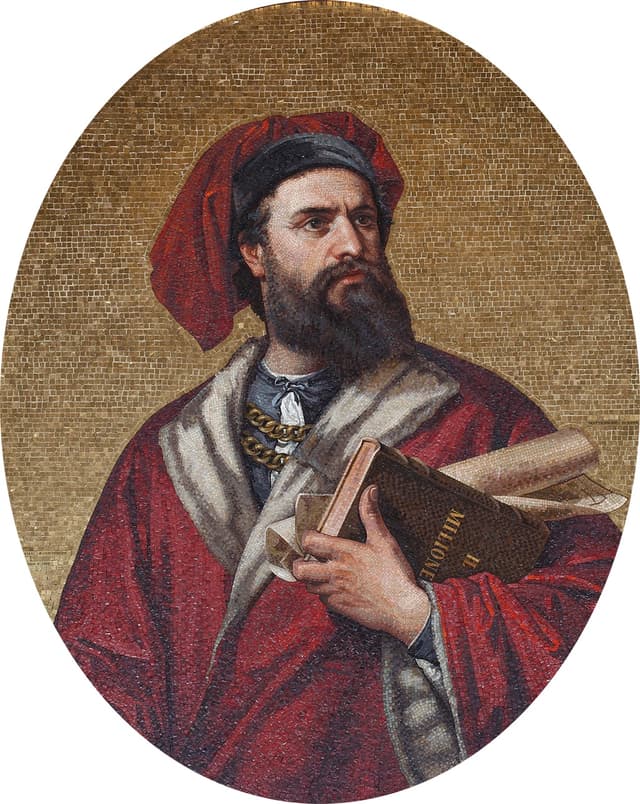
Marco Polo
Marco Polo was a Venetian merchant and explorer whose extensive travels across Asia along the Silk Road from 1271 to 1295 profoundly impacted European understanding of the East. Born into a family of merchants, he was introduced to the world of trade by his father and uncle, who had previously ventured to Asia and met the Mongol leader Kublai Khan. In 1269, after years apart, the three embarked on a remarkable journey that would take them through the vast territories of the Mongol Empire, where Marco served as an emissary for Kublai Khan. His experiences included visits to present-day Myanmar, India, and Indonesia, and he spent nearly two decades in China, witnessing its culture and society firsthand. Upon returning to Venice in 1295, Marco Polo's tales of adventure and discovery were captured in his book, The Travels of Marco Polo, also known as Il Milione. This work provided Europeans with their first detailed account of the East, revealing the wealth and complexity of cultures in China, Persia, and beyond. His narratives not only sparked curiosity about Asia but also influenced future explorers, including Christopher Columbus. Marco Polo's legacy endures as a pivotal figure in the history of exploration, bridging the gap between East and West and expanding the horizons of European knowledge during the Middle Ages.
Famous Quotes
View all 7 quotes“I have not told the half of what I saw.””
“I did not write half of what I saw, for I knew I would not be believed””
“I did not tell half of what I saw, for I knew I would not be believed””
Books from the author
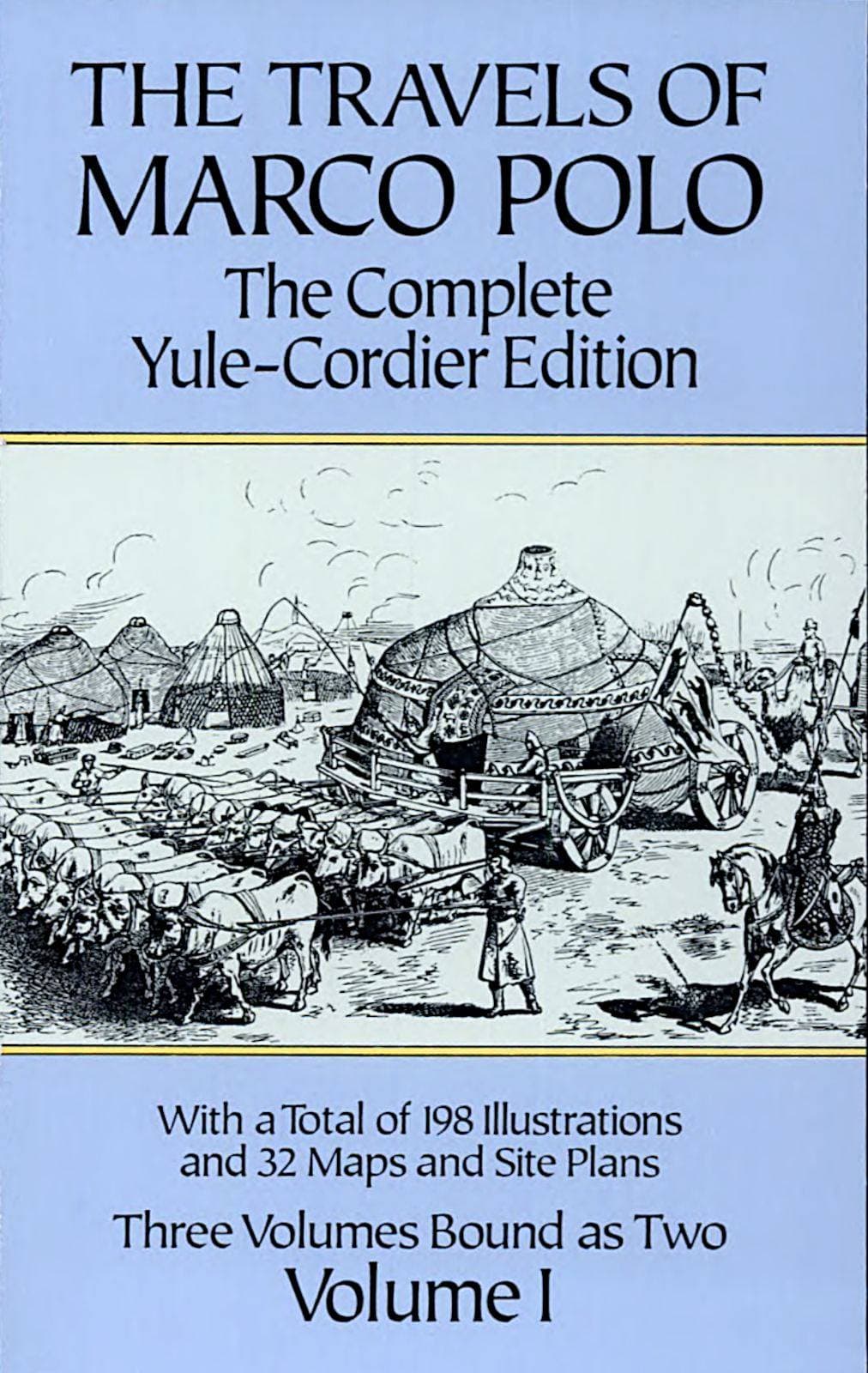
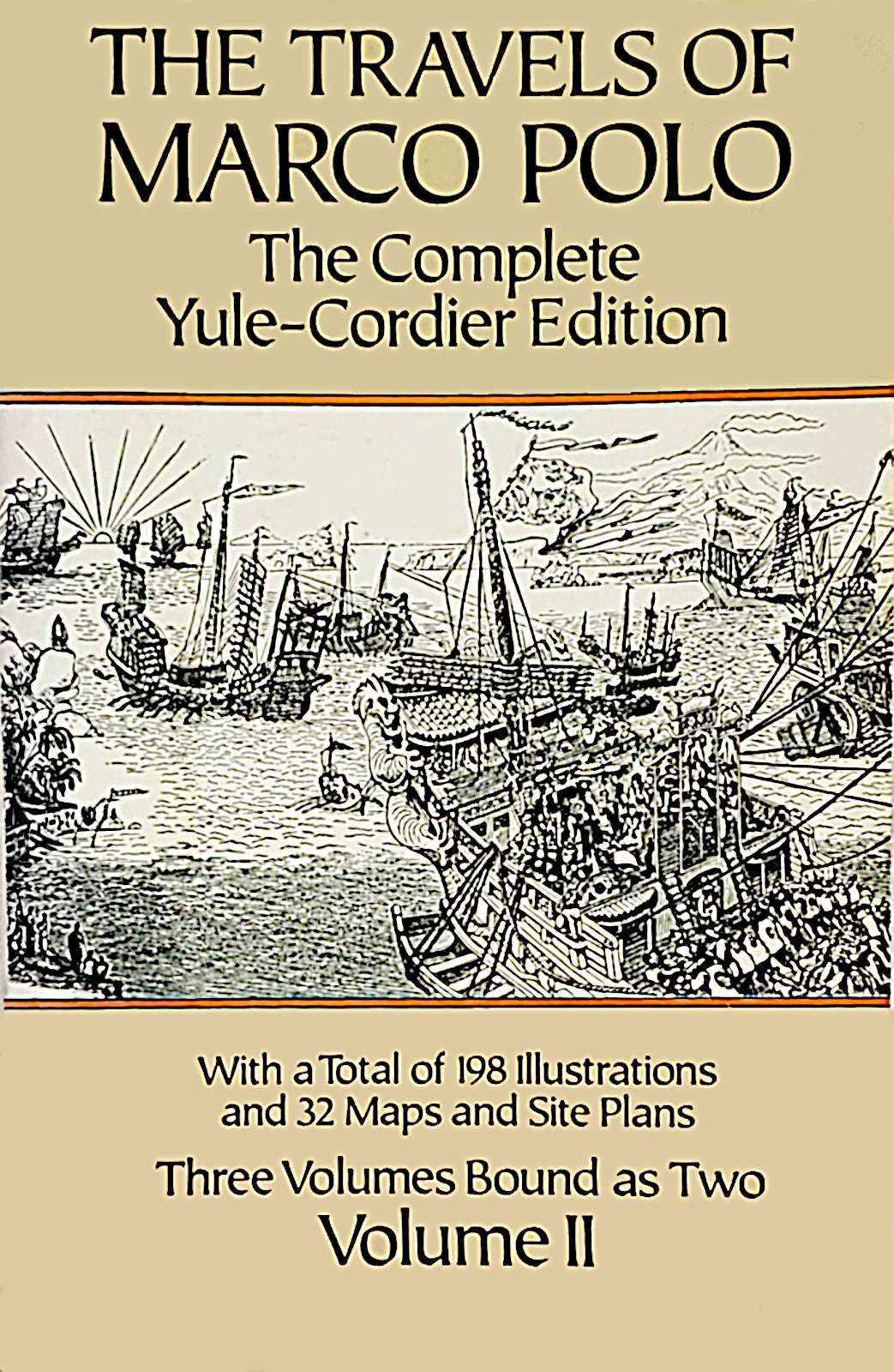




Link to this page
Add a free, dofollow link to Lex on your blog, forum, syllabus, or reading list.

<a href="https://lex-books.com/author/marco-polo"><img src="https://lex-books.com/badges/read-on-lex.svg" alt="Marco Polo on Lex" width="160" height="40"></a>[](https://lex-books.com/author/marco-polo)[url=https://lex-books.com/author/marco-polo][img]https://lex-books.com/badges/read-on-lex.svg[/img][/url]Marco Polo on Lex: https://lex-books.com/author/marco-polo