Aseet Pois!
1889
A novel likely written in the late 19th century. The narrative unfolds around the life of Martha Althaus, a young woman reflecting on her past dreams, the ideals of heroism she admired, and the societal expectations placed upon her as a woman in a war-driven society. The book delves into the theme of war, exploring the impact of militarism on personal lives, particularly focusing on Martha’s struggles between the glorification of war and the realities of loss and suffering it brings. At the start of the novel, the protagonist, Martha Althaus, shares recollections of her youth, revealing her romanticized views of heroes and the admiration she felt for historical warrior figures. Growing up in a militaristic household, influenced by her father, a general, Martha grapples with the idea that true greatness and honor can only be achieved through heroic acts in battle. However, as discussions of impending war arise, especially concerning her husband Arno’s potential involvement in combat, Martha's naive romanticism begins to clash with her growing awareness of the devastating consequences of war. Her internal conflict highlights her yearning for a significant life while also yearning for peace and the safety of her loved ones.
Editions
X-Ray
“Wenn man auch die Fähigkeit nicht hat, über einen gewissen Grad von Mitschmerz hinaus zu - zu denken und zu berechnen vermag man es doch, daß die unfaßbare Jammerquantität vorhanden ist -""Das vermagst du und ein paar anders -, doch die meisten denken und berechnen nicht.""Denken nicht," wiederholte er. "Gott sei's geklagt, das ist an allen Übeln schuld: die meisten denken nicht.””
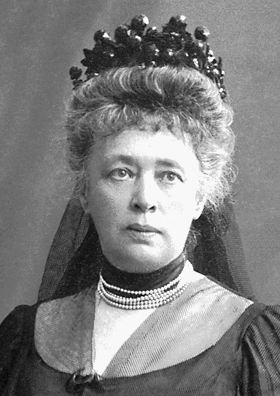
— Bertha von Suttner
“[E]in gebräuchliches Vorgehen: „Ich hasse Jene als Nation, nicht als Individuen“ hört man häufig beteuern, obschon es keinen Sinn hat, ebensowenig Sinn, als wollte Einer sagen: „Ich hasse den Wein als Getränk, aber jeden Tropfen verschlucke ich gern“ – doch vernünftig braucht ja eine landläufige Phrase nicht zu sein – im Gegenteil[.]””
— Bertha von Suttner
“Wie selten kann man sich einem Menschen ganz geben! Das habe ich recht oft im Leben erfahren, daß ich dem einen nur diese, dem anderen nur jene Seite meiner geistigen Persönlichkeit erschließen konnte; daß, so oft ich mit diesem oder jenem verkehrte, sozusagen nur ein gewisses Register sich aufzog, die ganze übrige Klaviatur aber stumm blieb.””
— Bertha von Suttner
“„In der That ja: Sie scheinen mich zu meiden. Warum?“„Warum? Weil – weil ich Sie anbete.””
— Bertha von Suttner
“People differ, and, probably, will always differ, as to the light in which they regard war. A””
— Bertha von Suttner
Link to this book
Add a free, dofollow link to Lex on your blog, forum, syllabus, or reading list.

<a href="https://lex-books.com/book/aseet-pois-6ec4f640-dcf3-4dcd-8e37-f2107219c9bc"><img src="https://lex-books.com/badges/read-on-lex.svg" alt="Read Aseet Pois! by Bertha von Suttner free on Lex" width="160" height="40"></a>[](https://lex-books.com/book/aseet-pois-6ec4f640-dcf3-4dcd-8e37-f2107219c9bc)[url=https://lex-books.com/book/aseet-pois-6ec4f640-dcf3-4dcd-8e37-f2107219c9bc][img]https://lex-books.com/badges/read-on-lex.svg[/img][/url]Read Aseet Pois! by Bertha von Suttner free on Lex: https://lex-books.com/book/aseet-pois-6ec4f640-dcf3-4dcd-8e37-f2107219c9bcCite this book
Reading this edition for a paper or guide? Copy a citation.
Suttner, Bertha von. Aseet Pois!. Lex, lex-books.com/book/aseet-pois-6ec4f640-dcf3-4dcd-8e37-f2107219c9bc.Suttner, B. V. (1889). Aseet Pois!. Lex. https://lex-books.com/book/aseet-pois-6ec4f640-dcf3-4dcd-8e37-f2107219c9bcSuttner, Bertha von. Aseet Pois!. Lex. https://lex-books.com/book/aseet-pois-6ec4f640-dcf3-4dcd-8e37-f2107219c9bc.