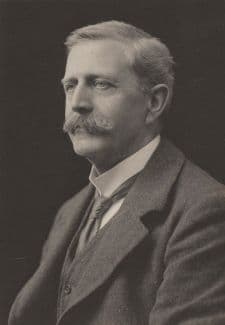
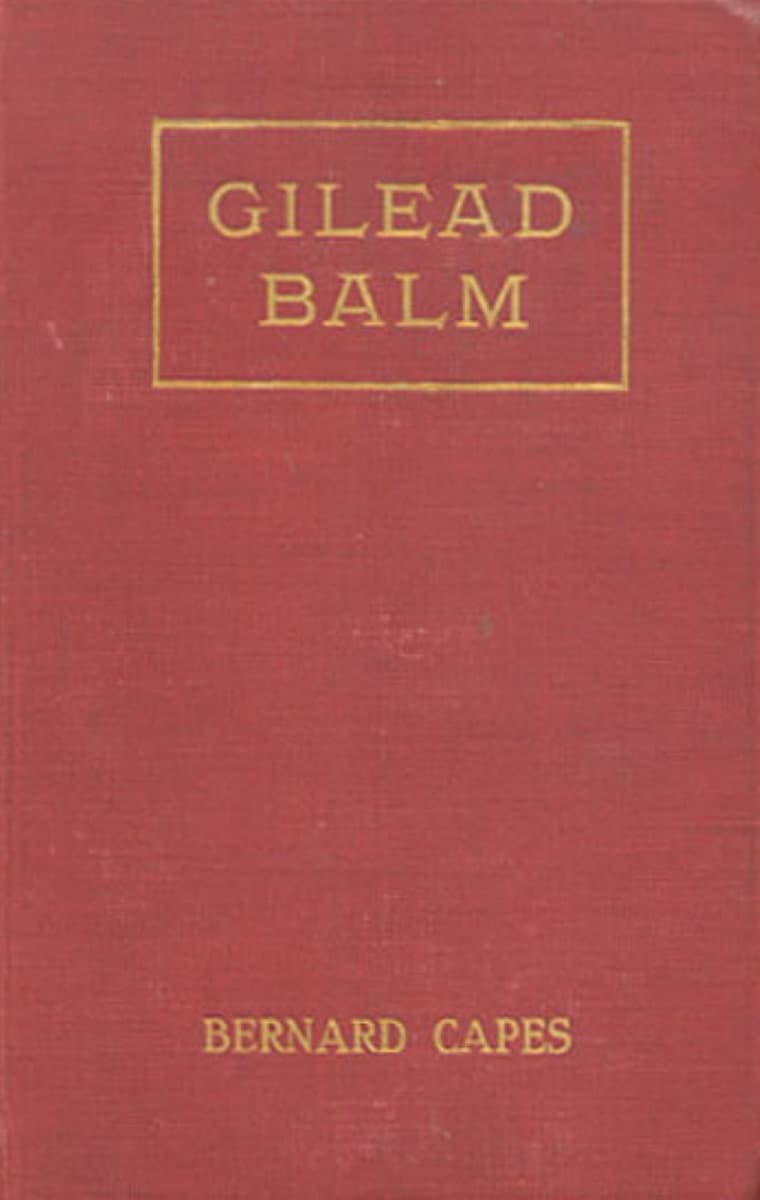
Bernard Capes
Bernard Capes was an English author known for his contributions to the genres of fantasy and horror. Born in 1854, he initially pursued a career in the arts, working as a painter before turning to writing. Capes gained recognition for his short stories and novels, which often blended elements of the supernatural with psychological depth. His notable works include 'The Devil's Own' and 'The Mysterious Mr. Sabin', both of which showcase his ability to weave intricate narratives that explore the darker aspects of human nature and the unknown. Capes's literary significance lies in his pioneering approach to horror and fantasy, influencing later writers in these genres. His stories often featured complex characters and moral dilemmas, setting a precedent for future authors. Despite being less well-known today, Capes's work contributed to the evolution of speculative fiction in the late 19th and early 20th centuries, marking him as a noteworthy figure in the literary landscape of his time. His legacy endures through the appreciation of his unique storytelling style and thematic explorations.
Famous Quotes
View all 3 quotes“A long light robe, sulphur-coloured, clung to the sleeper from low throat to ankle; bands of narrow nolana-blue ribbon crossed her breast and were brought together in a loose cincture about her waist; her white, smooth feet were sandalled; one arm was curved beneath her lustrous head; the other lay relaxed and drooping. Chrysoberyls, the sea-virgins of stones, sparkled in her hair and lay in the bosom of her gown like dewdrops in an evening primrose. ("The Accursed Cordonnier")”
“Rose was patently a degenerate. Nature, in scheduling his characteristics, had pruned all superlatives. The rude armour of the flesh, under which the spiritual, like a hide-bound chrysalis, should develop secret and self-contained, was perished in his case, as it were, to a semi-opaque suit, through which his soul gazed dimly and fearfully on its monstrous arbitrary surroundings. Not the mantle of the poet, philosopher, or artist fallen upon such, can still its shiverings, or give the comfort that Nature denies. Yet he was a little bit of each - poet, philosopher, and artist; a nerveless and self-deprecatory stalker of ideals, in the pursuit of which he would wear patent leather shoes and all the apologetic graces. The grandson of a 'three-bottle' J.P., who had upheld the dignity of the State constitution while abusing his own in the best spirit of squirearchy; the son of a petulant dyspeptic, who alternated seizures of long moroseness with fits of abject moral helplessnes, Amos found his inheritance in the reversion of a dissipated constitution, and an imagination as sensitive as an exposed nerve. Before he was thirty he was a neurasthenic so practised, as to have learned a sense of luxury in the very consciousness of his own suffering. It was a negative evolution from the instinct of self-protection - self-protection, as designed in this case, against the attacks of the unspeakable. ("The Accursed Cordonnier")”
“Superficially, the figure in the smoking-room was that of a long, weedy young man - hairless as to his face; scalped with a fine lank fleece of neutral tint; pale-eyed, and slave to a bored and languid expression, over which he had little control, though it frequently misrepresented his mood. He was dressed scrupulously, though not obtrusively, in the mode, and was smoking a pungent cigarette with an air that seemed balanced between a genuine effort at self-abstraction and a fear of giving offence by a too pronounced show of it. In this state, flying bubbles of conversation broke upon him as he sat a little apart and alone. ("The Accursed Cordonnier")”
Books from the author
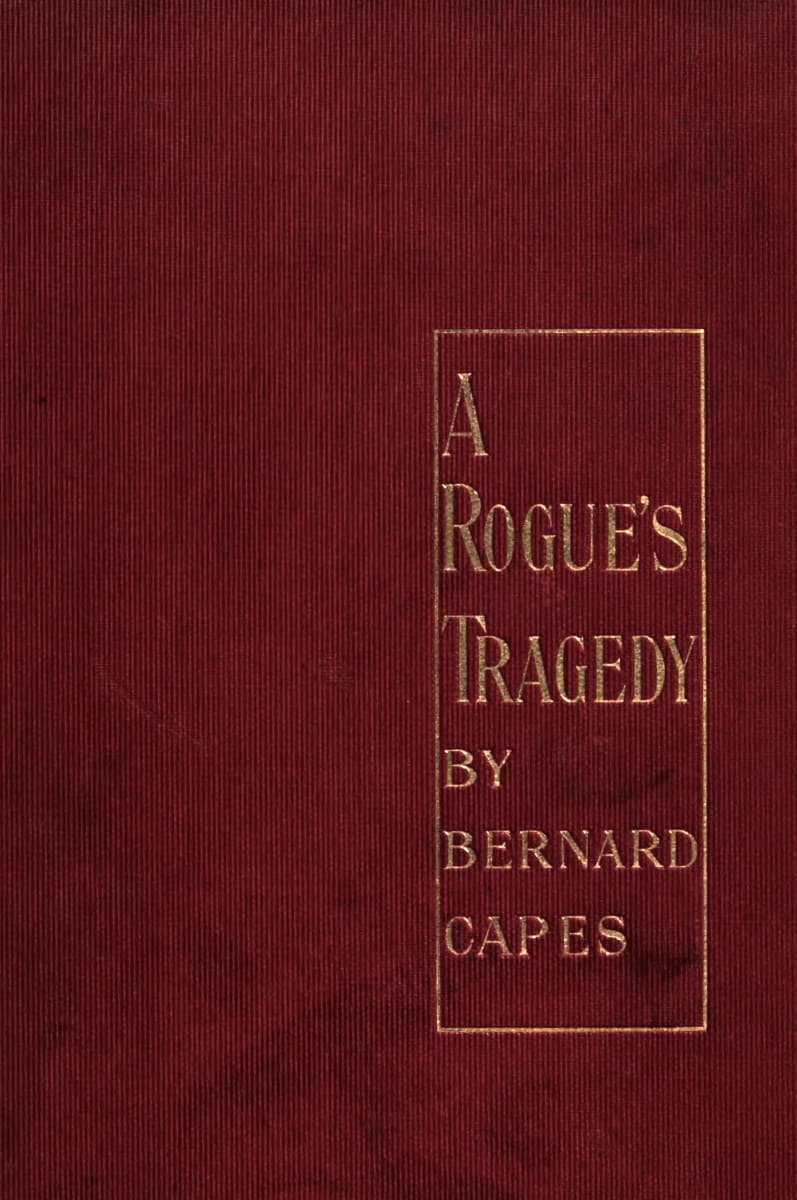
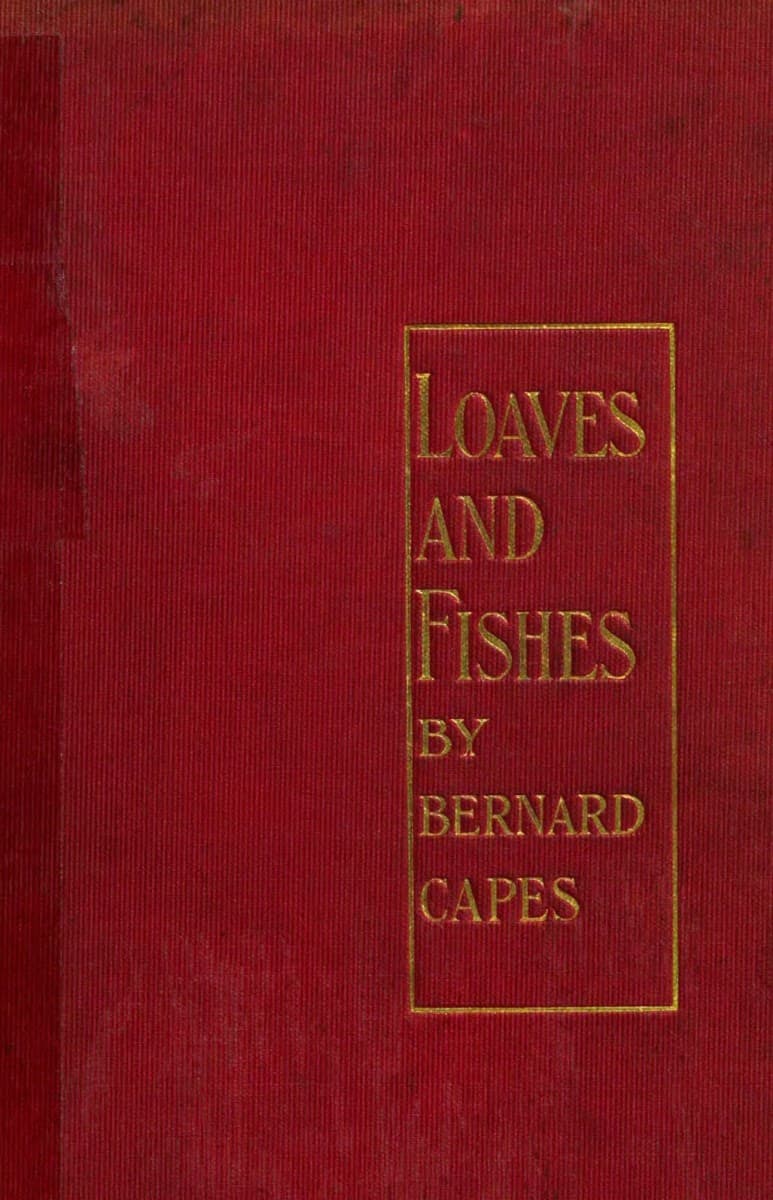

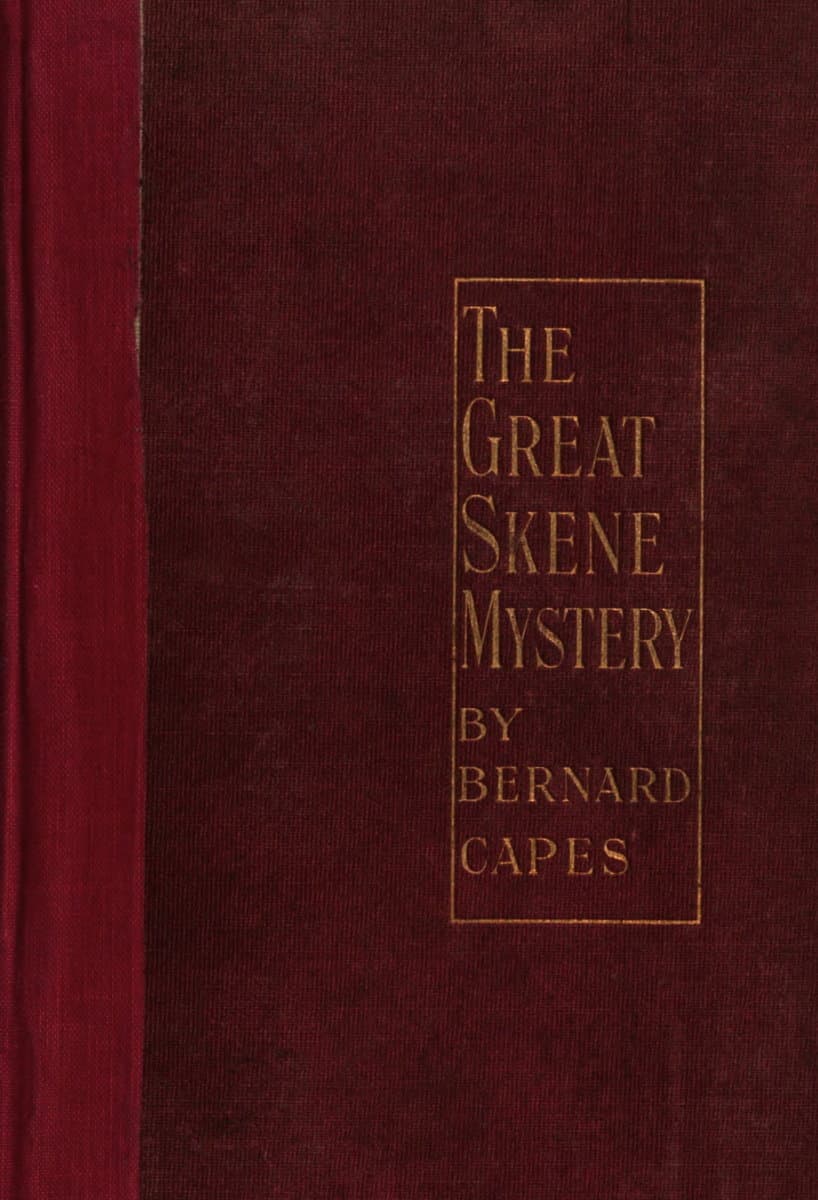







Link to this page
Add a free, dofollow link to Lex on your blog, forum, syllabus, or reading list.

<a href="https://lex-books.com/author/bernard-capes"><img src="https://lex-books.com/badges/read-on-lex.svg" alt="Bernard Capes on Lex" width="160" height="40"></a>[](https://lex-books.com/author/bernard-capes)[url=https://lex-books.com/author/bernard-capes][img]https://lex-books.com/badges/read-on-lex.svg[/img][/url]Bernard Capes on Lex: https://lex-books.com/author/bernard-capes