Augusto de Lacerda
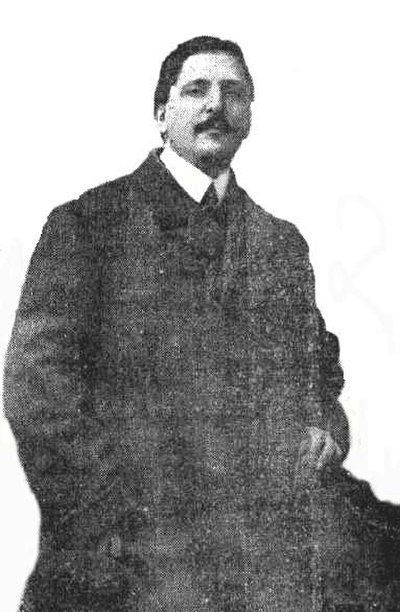
Augusto de Lacerda was a Brazilian poet and playwright, recognized for his contributions to the literary landscape of the late 19th and early 20th centuries. Born in 1864, he emerged as a significant figure in Brazilian literature, particularly noted for his lyrical style and innovative approach to themes of love and betrayal. His most acclaimed work, 'Judas: Romance Lirico Em Quatro Jornadas,' showcases his ability to blend poetic language with dramatic narrative, exploring complex emotional landscapes and moral dilemmas. This work stands out not only for its artistic merit but also for its engagement with biblical themes, reflecting the cultural and philosophical currents of his time. Lacerda's writing is characterized by its rich imagery and emotional depth, which resonated with contemporary audiences and influenced subsequent generations of Brazilian writers. His exploration of human relationships and existential questions positioned him as a precursor to modernist movements in Brazil. Despite his relatively limited output, Lacerda's work remains a testament to the vibrant literary culture of his era, and he is remembered as a pivotal figure in the evolution of Brazilian poetry and drama.
Books from the author








Link to this page
Add a free, dofollow link to Lex on your blog, forum, syllabus, or reading list.

<a href="https://lex-books.com/author/augusto-de-lacerda"><img src="https://lex-books.com/badges/read-on-lex.svg" alt="Augusto de Lacerda on Lex" width="160" height="40"></a>[](https://lex-books.com/author/augusto-de-lacerda)[url=https://lex-books.com/author/augusto-de-lacerda][img]https://lex-books.com/badges/read-on-lex.svg[/img][/url]Augusto de Lacerda on Lex: https://lex-books.com/author/augusto-de-lacerda