
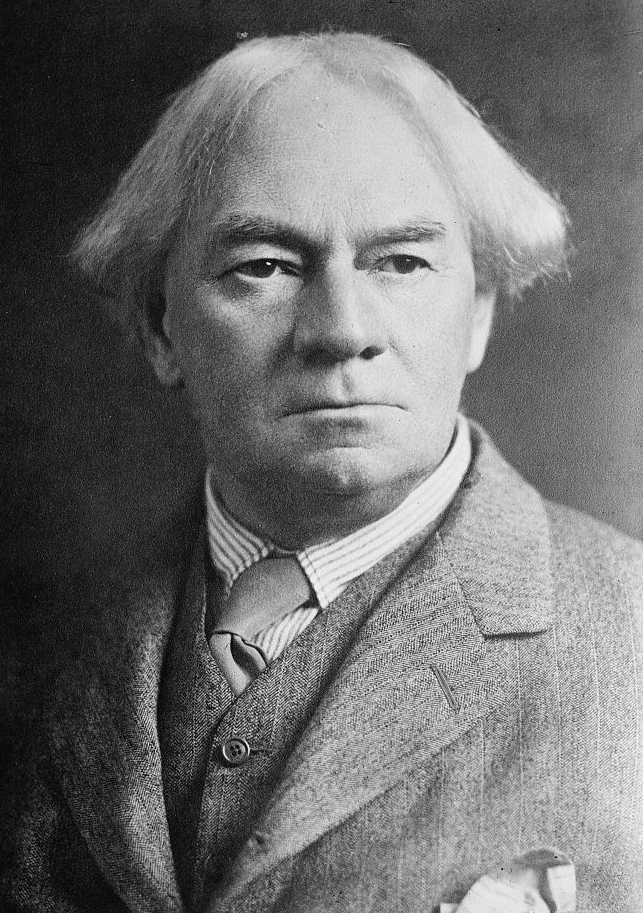
Arturo Bianchi
Arturo Bianchi was an Italian novelist and playwright, recognized for his contributions to literature during the late 19th and early 20th centuries. His work often reflected the social and political issues of his time, capturing the complexities of Italian society as it underwent significant transformation. Bianchi's notable work, "I Ladri Della Pace" (The Thieves of Peace), showcases his ability to weave intricate narratives that explore themes of conflict, morality, and the human condition. Through his characters and plots, he provided a critical lens on the societal challenges faced by Italy, particularly in the context of the tumultuous changes brought about by the World Wars. Bianchi's literary significance lies in his role as a voice for the marginalized and a commentator on the ethical dilemmas of his era. His works not only entertained but also provoked thought and discussion among readers, making him a notable figure in the landscape of Italian literature. Although not as widely recognized today, Bianchi's contributions continue to be appreciated for their depth and insight into the human experience, marking him as an important figure in the evolution of modern Italian narrative.
Books from the author












Link to this page
Add a free, dofollow link to Lex on your blog, forum, syllabus, or reading list.

<a href="https://lex-books.com/author/arturo-bianchi"><img src="https://lex-books.com/badges/read-on-lex.svg" alt="Arturo Bianchi on Lex" width="160" height="40"></a>[](https://lex-books.com/author/arturo-bianchi)[url=https://lex-books.com/author/arturo-bianchi][img]https://lex-books.com/badges/read-on-lex.svg[/img][/url]Arturo Bianchi on Lex: https://lex-books.com/author/arturo-bianchi