Arthur Waugh
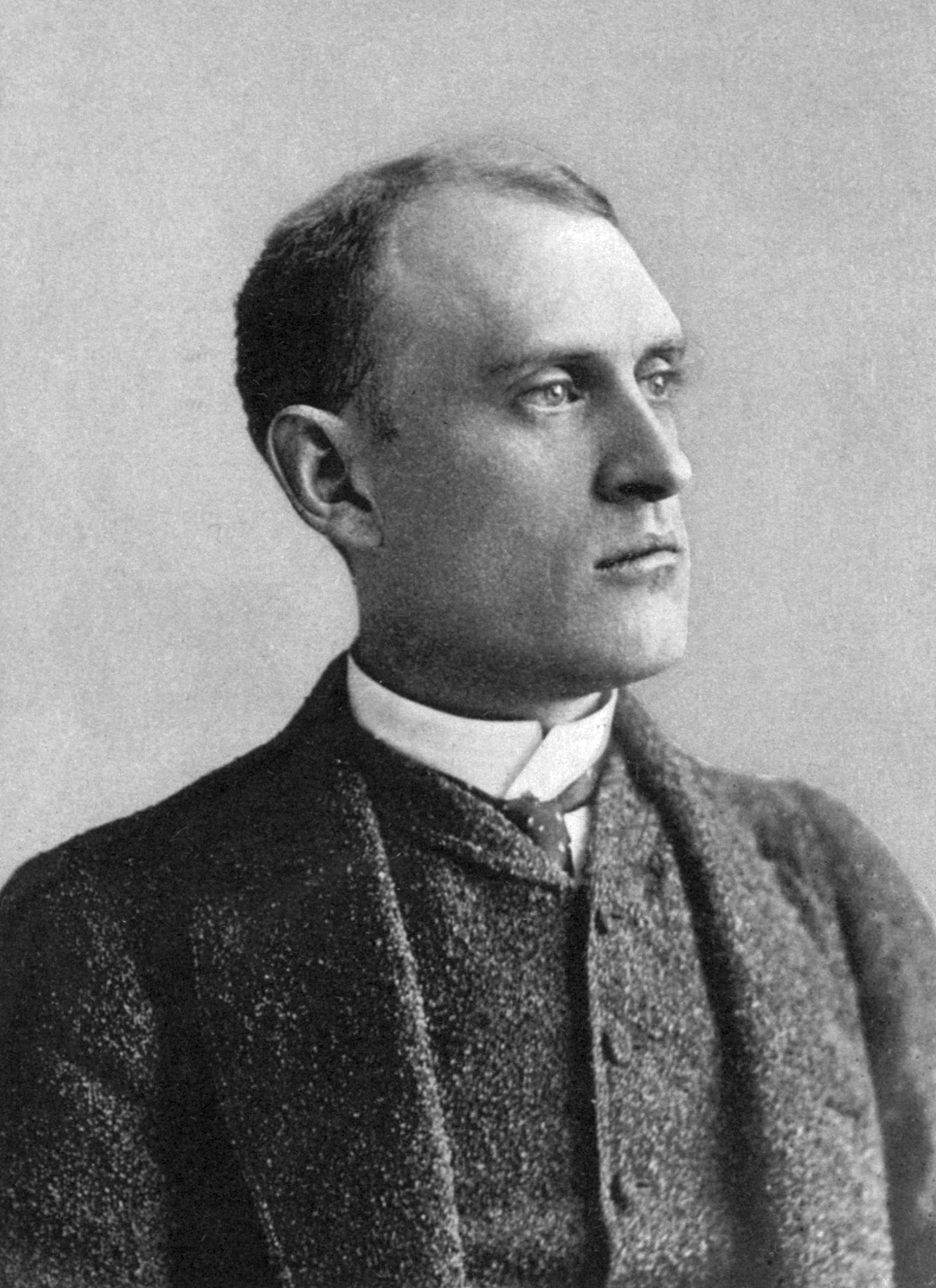
Arthur Waugh was an English author, literary critic, and publisher known for his contributions to early 20th-century literature. He played a significant role in the literary world, not only through his own writing but also as a publisher who influenced the careers of many writers. Waugh's literary criticism was marked by a keen insight into the works of his contemporaries, and he often explored themes of social and cultural significance in his analyses. His notable works include 'The Loom of Life' and 'The House of the Seven Gables', which reflect his deep engagement with the literary landscape of his time. As the father of renowned authors Alec Waugh and Evelyn Waugh, Arthur Waugh's legacy extends beyond his own writings. He fostered a literary environment that encouraged creativity and critical thought, shaping the next generation of writers. His influence on English literature is evident in the works of his sons, particularly Evelyn Waugh, who became one of the most significant novelists of the 20th century. Arthur Waugh's contributions as a critic and publisher helped to pave the way for modern literary discourse, making him a notable figure in the history of English literature.
Famous Quotes
View all 2 quotes“Hooper was no romantic. He had not as a child ridden with Rupert's horse or sat among the camp fires at Xanthus-side; at the age when my eyes were dry to all save poetry – that stoic, red-skin interlude which our schools introduce between the fast-flowing tears of the child and the man – Hooper had wept often, but never for Henry's speech on St Crispin's day, nor for the epitaph at Thermopylae. The history they taught him had had few battles in it but, instead, a profusion of detail about humane legislation and recent industrial change. Gallipoli, Balaclava, Quebec, Lepanto, Bannockburn, Roncevales, and Marathon – these, and the Battle in the West where Arthur fell, and a hundred such names whose trumpet-notes, even now in my sere and lawless state, called to me irresistibly across the intervening years with all the clarity and strength of boyhood, sounded in vain to Hooper.””
“It’s very banal, isn’t it, Boot?” “I like it very much.” “Do you? I think all Arthur’s work is banal. I read your book Waste of Time.” “Ah.” John did not invite criticism. “I thought it very banal.” “You seem to find everything banal.” “It is a new word whose correct use I have only lately learned,” said Josephine with dignity. “I find it applies to nearly everything; Virgil and Miss Brittling and my gymnasium.””
Books from the author

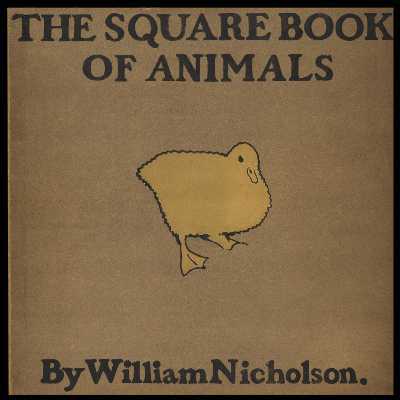
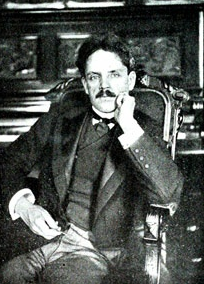
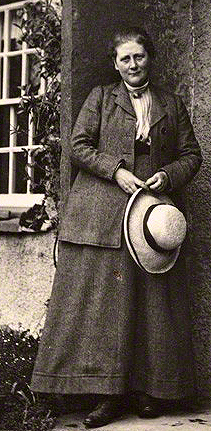



Link to this page
Add a free, dofollow link to Lex on your blog, forum, syllabus, or reading list.

<a href="https://lex-books.com/author/arthur-waugh"><img src="https://lex-books.com/badges/read-on-lex.svg" alt="Arthur Waugh on Lex" width="160" height="40"></a>[](https://lex-books.com/author/arthur-waugh)[url=https://lex-books.com/author/arthur-waugh][img]https://lex-books.com/badges/read-on-lex.svg[/img][/url]Arthur Waugh on Lex: https://lex-books.com/author/arthur-waugh