Amanda McKittrick Ros
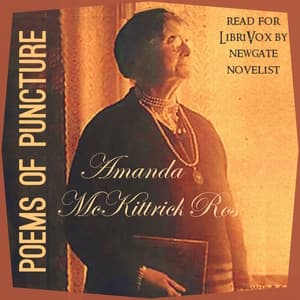
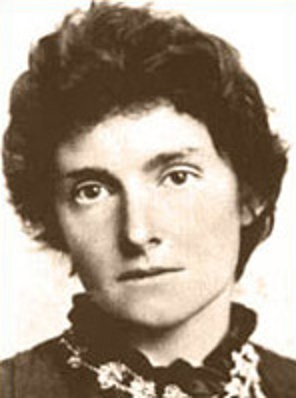
Amanda McKittrick Ros, born Anna Margaret Ross, was an Irish writer known for her unique and unconventional literary style. She published her first novel, Irene Iddesleigh, in 1897 at her own expense, marking the beginning of a career that would see her produce a variety of works, including poetry and several novels. Despite her initial struggles, her debut novel gained renewed attention when it was reprinted by Nonesuch Press in 1926, selling out quickly and highlighting her growing influence in literary circles. Ros's writing has been characterized by an 'immense power of words but uncertain use of them,' which has led to both admiration and criticism from contemporaries and later readers alike. Throughout her career, Ros's works often challenged conventional norms, and her distinctive voice set her apart in the literary landscape of her time. Her contributions to literature, particularly through her exploration of themes such as identity and societal expectations, have earned her a place in discussions about early 20th-century Irish literature. Though her legacy is mixed, with some viewing her as a figure of literary curiosity, her bold approach to writing continues to intrigue scholars and readers alike, ensuring that her work remains a topic of interest in the study of Irish literary history.
Famous Quotes
View all 3 quotes“When on the eve of glory, whilst brooding over the prospects of a bright and happy future, whilst meditating upon the risky right of justice, there we remain, wanderers on the cloudy surface of mental woe, disappointment and danger, inhabitants of the grim sphere of anticipated imagery, partakers of the poisonous dregs of concocted injustice. Yet such is life.”
“Holy Moses! Take a look! Flesh decayed in every nook! Some rare bits of brain lie here, Mortal loads of beef and beer.”
“Have you ever visited that portion of Erin's plot that offers its sympathetic soil for the minute survey and scrutinous examination of those in political power, whose decision has wisely been the means before now of converting the stern and prejudiced, and reaching the hand of slight aid to share its strength in augmenting its agricultural richness?”
Audiobooks from the author


Link to this page
Add a free, dofollow link to Lex on your blog, forum, syllabus, or reading list.

<a href="https://lex-books.com/author/amanda-mckittrick-ros"><img src="https://lex-books.com/badges/read-on-lex.svg" alt="Amanda McKittrick Ros on Lex" width="160" height="40"></a>[](https://lex-books.com/author/amanda-mckittrick-ros)[url=https://lex-books.com/author/amanda-mckittrick-ros][img]https://lex-books.com/badges/read-on-lex.svg[/img][/url]Amanda McKittrick Ros on Lex: https://lex-books.com/author/amanda-mckittrick-ros