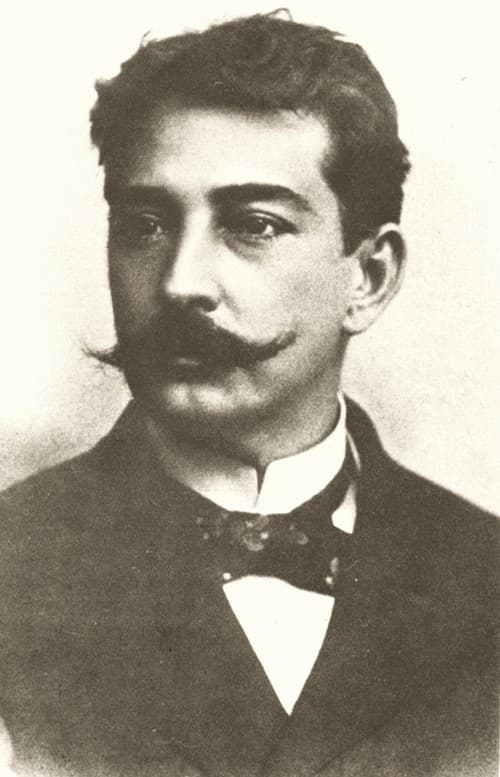
Aluísio Azevedo
Aluísio Azevedo was a Brazilian novelist and playwright, recognized as one of the leading figures of Brazilian naturalism. Born in 1857 in São Luís, Maranhão, Azevedo's literary career began in the late 19th century, a period marked by a growing interest in realism and social critique in literature. His works often explored the complexities of Brazilian society, including themes of race, class, and urban life. Azevedo's most notable novel, 'O Cortiço' (The Tenement), vividly depicts the lives of the impoverished inhabitants of a tenement in Rio de Janeiro, highlighting the harsh realities of urbanization and social inequality. This work is celebrated for its detailed characterizations and its unflinching portrayal of the struggles faced by marginalized communities. In addition to 'O Cortiço,' Azevedo's 'Mulato' addresses racial identity and the tensions between different social classes in Brazil, while 'Demonios' delves into the psychological aspects of human behavior and moral dilemmas. His contributions to literature not only reflect the socio-political landscape of his time but also paved the way for future Brazilian writers to tackle similar themes. Azevedo's legacy endures as a pivotal figure in Brazilian literature, whose works continue to resonate with readers and scholars interested in the intersections of race, class, and identity in the context of Brazilian society.
Famous Quotes
View all 18 quotes“[...] honestidade sem mérito, porque vinha da indolência do seu temperamento e não do arbítrio do seu caráter.””
“E naquela terra encharcada e fumegante, naquela umidade quente e lodosa, começou a minhocar, a esfervilhar, a crescer, um mundo, uma coisa viva, uma geração, que parecia brotar espontânea, ali mesmo, daquele lameiro, e multiplicar-se como larvas no esterco.””
Books from the author









Link to this page
Add a free, dofollow link to Lex on your blog, forum, syllabus, or reading list.

<a href="https://lex-books.com/author/aluísio-azevedo"><img src="https://lex-books.com/badges/read-on-lex.svg" alt="Aluísio Azevedo on Lex" width="160" height="40"></a>[](https://lex-books.com/author/aluísio-azevedo)[url=https://lex-books.com/author/aluísio-azevedo][img]https://lex-books.com/badges/read-on-lex.svg[/img][/url]Aluísio Azevedo on Lex: https://lex-books.com/author/aluísio-azevedo