
Allan Octavian Hume
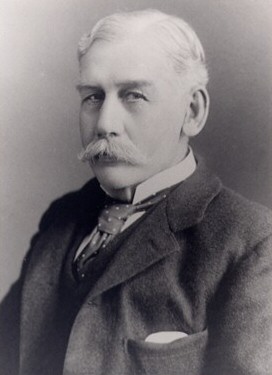
Allan Octavian Hume was a British political reformer, ornithologist, and civil servant whose work in British India left a lasting impact on both governance and natural history. As a key founder of the Indian National Congress, Hume advocated for Indian self-rule and independence, believing that self-governance was essential for the country's future. His tenure as the collector of Etawah during the Indian Rebellion of 1857 marked a turning point in his career; he viewed the uprising as a consequence of British misgovernance and subsequently implemented reforms that transformed the district into a model of development. His outspoken criticism of British policies often put him at odds with successive viceroys, leading to his eventual removal from the Secretariat in 1879. In addition to his political endeavors, Hume was a pioneering ornithologist, often referred to as the 'Father of Indian Ornithology.' He founded the journal Stray Feathers, which became a platform for documenting avian life across India. His extensive collection of bird specimens, amassed through expeditions and collaborations with fellow naturalists, significantly contributed to the field of ornithology. Hume's dual legacy as a reformer and a scientist highlights his commitment to both the advancement of Indian society and the study of its natural history, making him a notable figure in the history of British India.
Books from the author


Link to this page
Add a free, dofollow link to Lex on your blog, forum, syllabus, or reading list.

<a href="https://lex-books.com/author/allan-octavian-hume"><img src="https://lex-books.com/badges/read-on-lex.svg" alt="Allan Octavian Hume on Lex" width="160" height="40"></a>[](https://lex-books.com/author/allan-octavian-hume)[url=https://lex-books.com/author/allan-octavian-hume][img]https://lex-books.com/badges/read-on-lex.svg[/img][/url]Allan Octavian Hume on Lex: https://lex-books.com/author/allan-octavian-hume