
Alexandros Papadiamantes
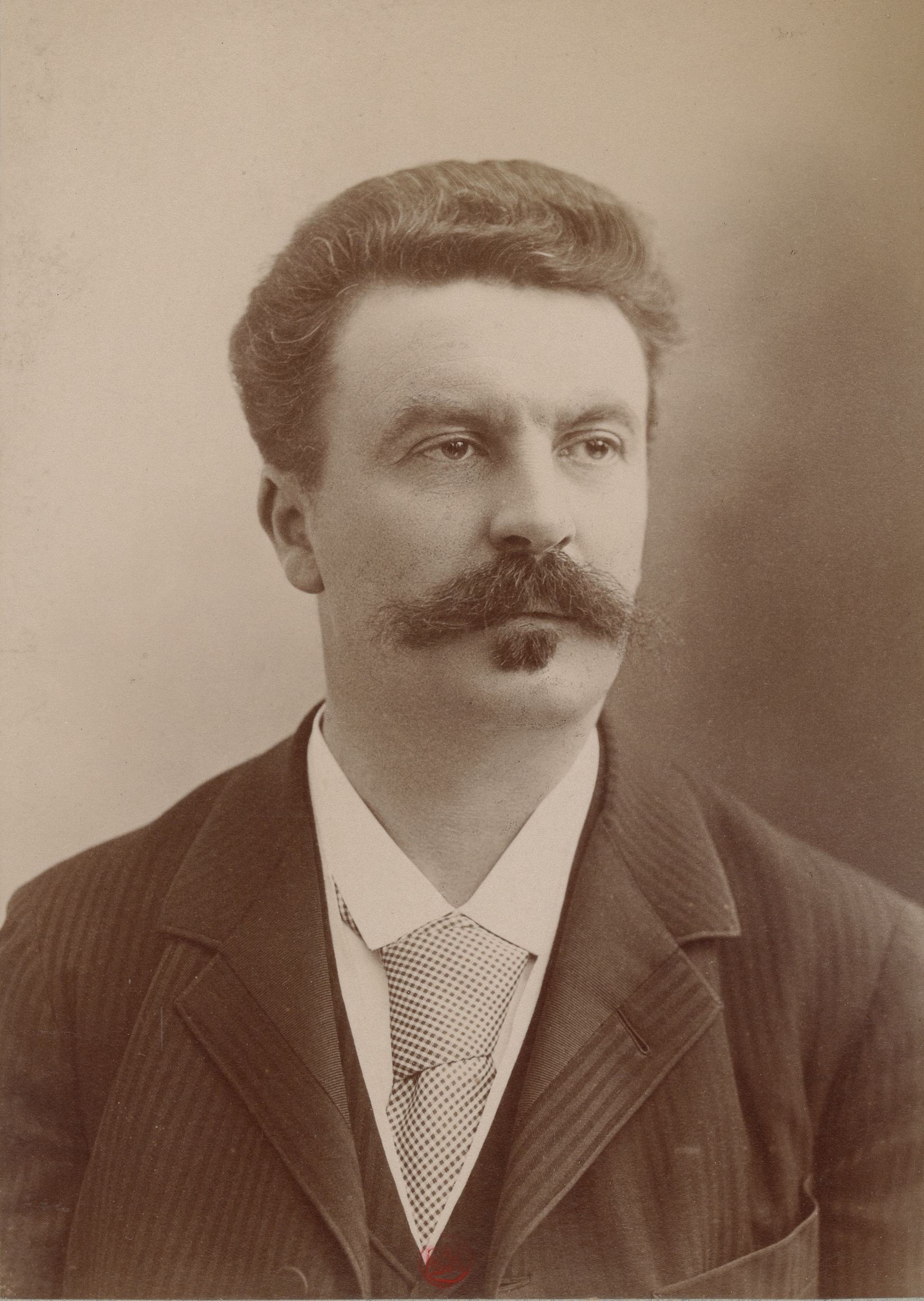
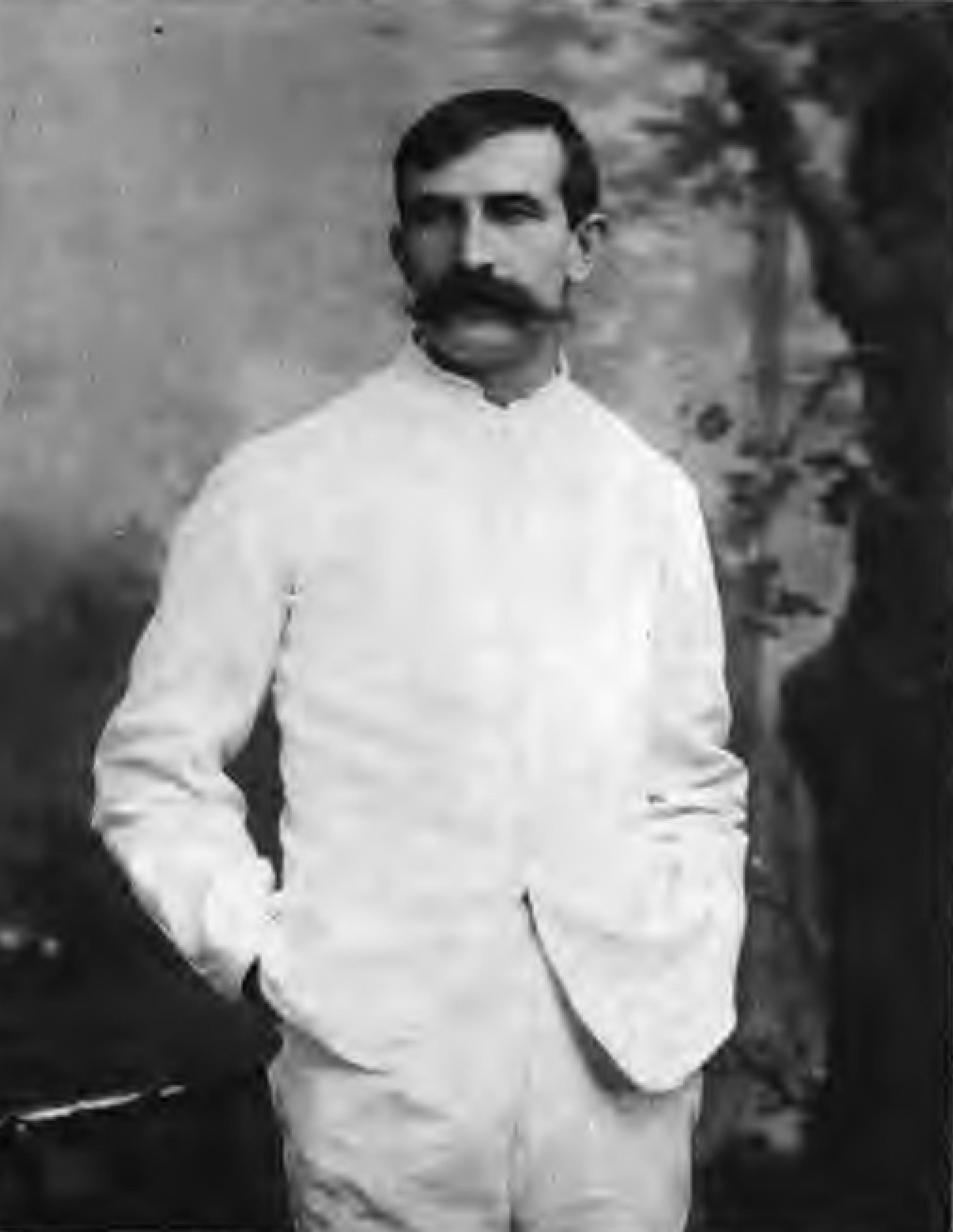
Alexandros Papadiamantis was a prominent Greek novelist and short-story writer, celebrated for his vivid depictions of life in the Aegean Islands. Born in Skiathos, he was deeply influenced by the natural beauty of his homeland, which permeated his literary works. Papadiamantis's writing often explored themes of love, faith, and the struggles of the Greek people, reflecting both the cultural richness and the social issues of his time. His notable works include 'The Murderess' and 'The Gypsy Girl,' which showcase his ability to blend realism with elements of folklore and spirituality. Papadiamantis's literary significance lies in his role as a pioneer of modern Greek literature, as he was one of the first authors to write in the demotic Greek language, making his works more accessible to the general populace. His unique narrative style and profound character development have influenced generations of writers in Greece and beyond. Despite his relatively modest output, his stories remain a cornerstone of Greek literature, and his legacy continues to inspire readers and writers alike, solidifying his status as one of Greece's most beloved literary figures.
Famous Quotes
View all 3 quotes“Άκρα σιγή και ησυχία επεκράτησεν εντός του σκοτεινού θαλάμου, μετά τον τελευταίον βήχα και τον κλαυθμυρισμόν του θυγατρίου, τα οποία τόσον αποτόμως διεκόπησαν. Η Φραγκογιαννού είχε κύψει το πρόσωπόν της, και είχε στηρίξει με τας δύο χείρας το μέτωπον, και είχε παύσει να σκέπτεται. Της εφαίνετο ότι δεν έζη πλέον. Ούτε η πνοή της ηκούετο. Πας θόρυβος είχε παύσει. Ούτε φλοξ έβρεμεν εις την εστίαν, ούτε βόμβος ηκούετο, και το ημίκαυστον φιτίλιον του λύχνου έφεγγε θλιβερώς. Η μικρά κανδήλα προ πολλού είχε σβήσει εις το εικονοστάσιον, και αι μορφαί των αγίων δεν εφαίνοντο πλέον.”
“Modesty and shyness were nonsense, and prudence and self-restraint were stupid, whereas depravity and lechery they called " natural.”
“Της Φραγκογιαννούς άρχισε πράγματι “ να ψηλώνει ο νους της “. Είχε παραλογίσει επιτέλους. Επόμενον ήτο, διότι είχεν εξαρθή εις ανώτερα ζητήματα. Έκλινεν επί του λίκνου. Έχωσε τούς δύο μακρούς, σκληρούς δακτύλους μέσα εις το στόμα τού μικρού, δια να το σκάση. Ήξευρεν ότι δεν ήτο τόσον σηνήθεια να σκάζουν τα πολύ μικρά παιδιά. Άλλ’ είχε παραλογίσει πλέον. Δεν ενόει καλά τι έκαμνε, και δεν ωμολόγει εις εαυτήν τι ήθελε να κάμη. Και παρέτεινε το σκάσιμον επί μακρόν. Αυτό ήτον όλον. Είχε “ ψηλώσει “ ο νους της !”
Books from the author



Link to this page
Add a free, dofollow link to Lex on your blog, forum, syllabus, or reading list.

<a href="https://lex-books.com/author/alexandros-papadiamantes"><img src="https://lex-books.com/badges/read-on-lex.svg" alt="Alexandros Papadiamantes on Lex" width="160" height="40"></a>[](https://lex-books.com/author/alexandros-papadiamantes)[url=https://lex-books.com/author/alexandros-papadiamantes][img]https://lex-books.com/badges/read-on-lex.svg[/img][/url]Alexandros Papadiamantes on Lex: https://lex-books.com/author/alexandros-papadiamantes