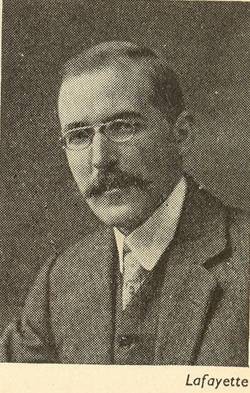
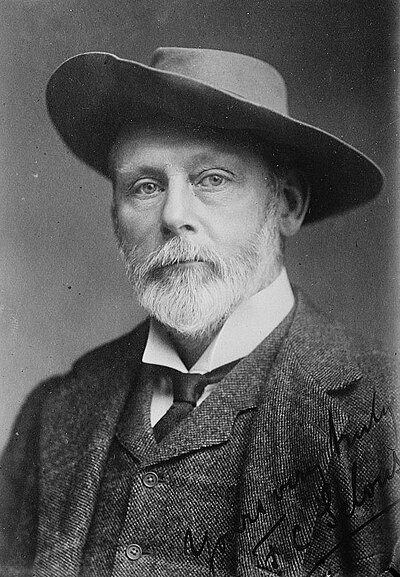
Albert C. Crawford
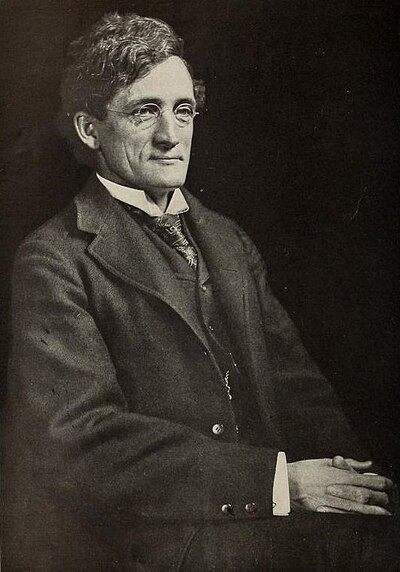
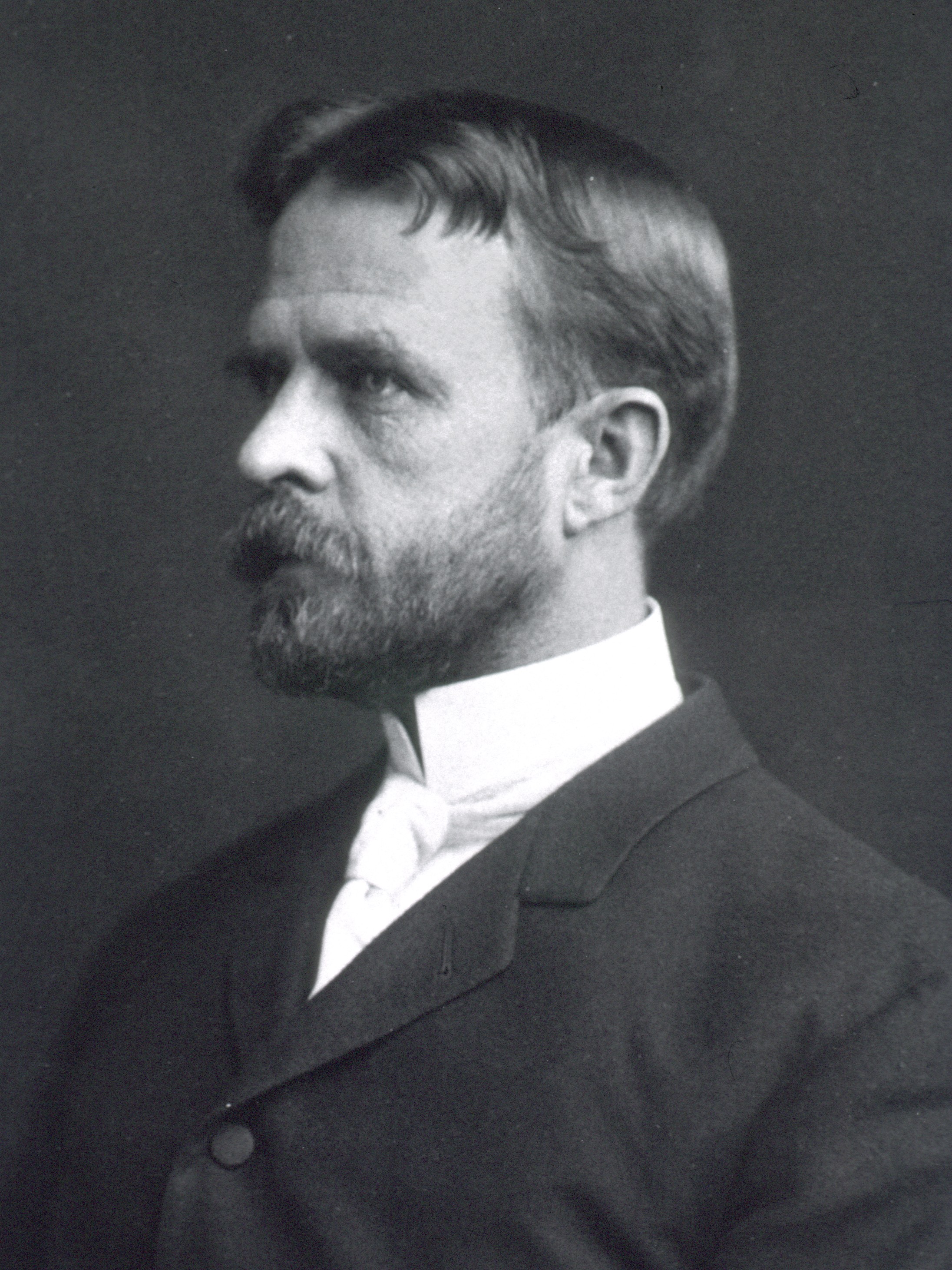
Albert C. Crawford was an American scientist and author known for his contributions to the field of botany and agricultural science in the early 20th century. His most notable work, "Barium: A Cause of the Loco-Weed Disease," explored the toxic effects of barium on livestock, particularly in relation to the loco weed, a plant that caused significant harm to grazing animals. This work not only highlighted the dangers of certain environmental factors on agriculture but also contributed to the understanding of plant toxicity and its implications for animal health. Crawford's research was significant during a time when agricultural science was becoming increasingly important in the United States, as farmers sought to improve crop yields and livestock health. His findings on loco weed and its effects were critical in addressing the challenges faced by ranchers in the western United States. Although not widely known today, Crawford's work laid the groundwork for future studies in plant pathology and toxicology, marking him as a notable figure in the intersection of science and agriculture during his era.
Books from the author









Link to this page
Add a free, dofollow link to Lex on your blog, forum, syllabus, or reading list.

<a href="https://lex-books.com/author/albert-c-crawford"><img src="https://lex-books.com/badges/read-on-lex.svg" alt="Albert C. Crawford on Lex" width="160" height="40"></a>[](https://lex-books.com/author/albert-c-crawford)[url=https://lex-books.com/author/albert-c-crawford][img]https://lex-books.com/badges/read-on-lex.svg[/img][/url]Albert C. Crawford on Lex: https://lex-books.com/author/albert-c-crawford